Our Favorites

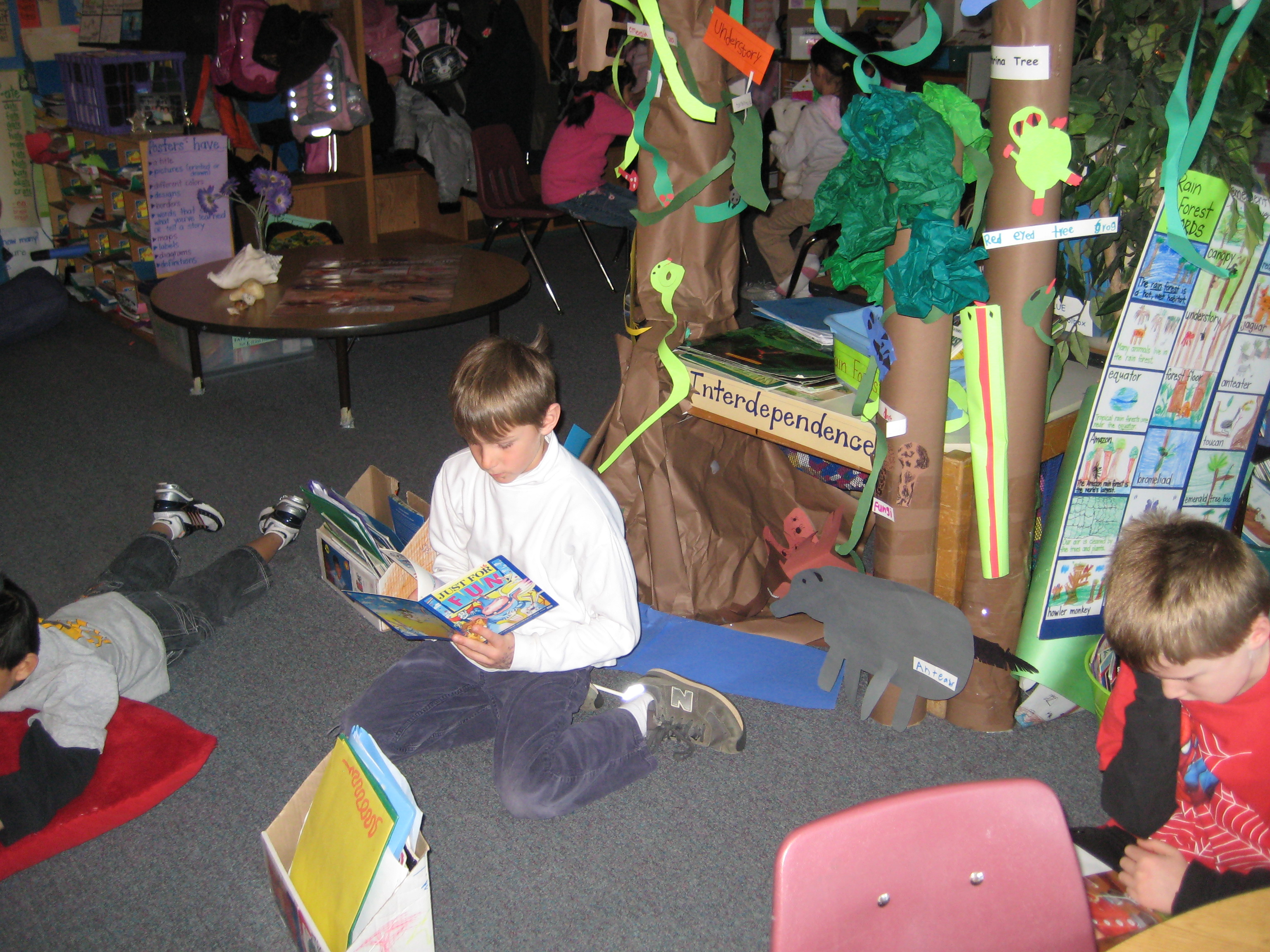
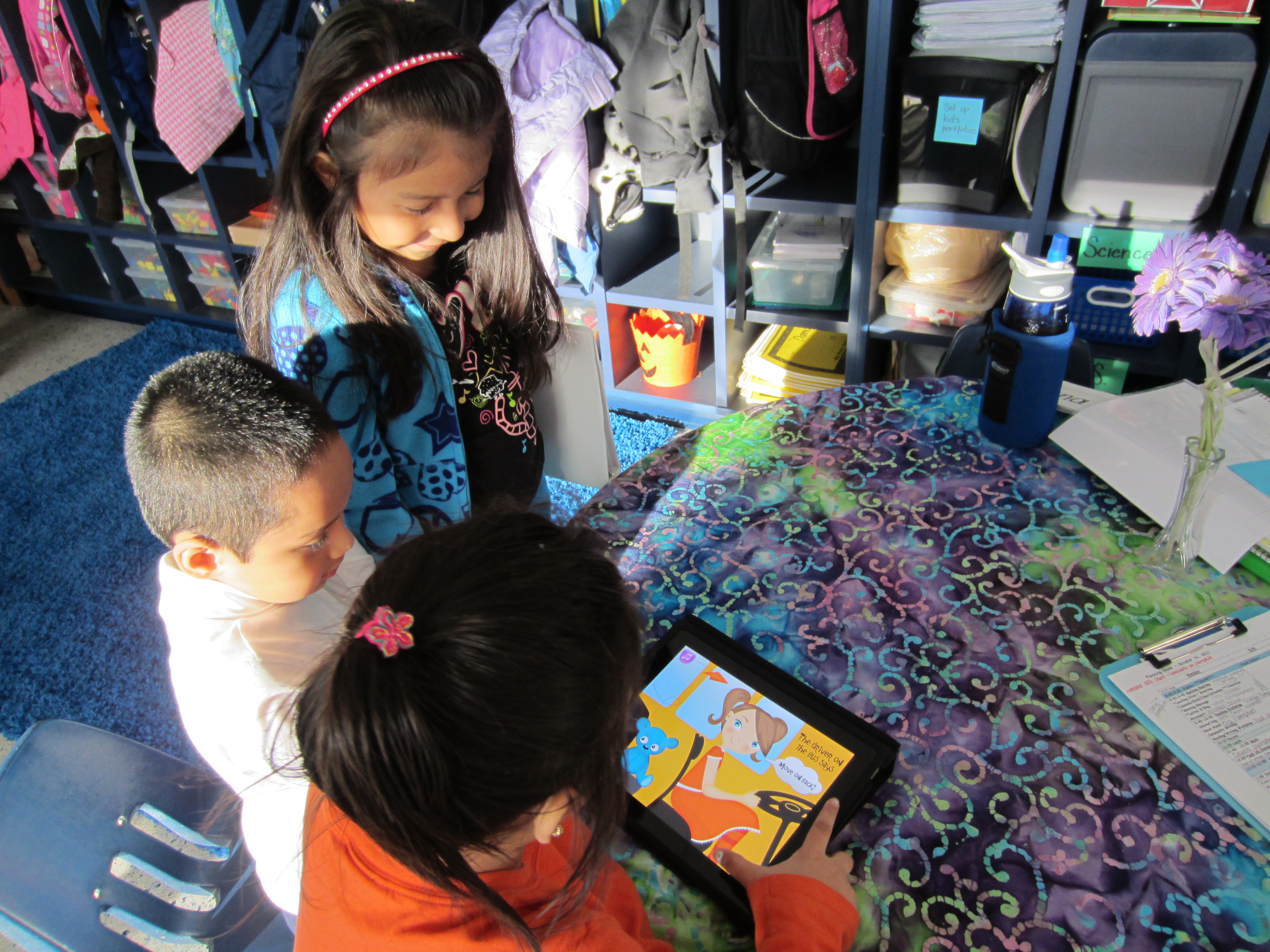
Reading aloud to kids is one of my most favorite things to do. This past week we read our 100th book of the year in my kindergarten classroom. Many of these books are put in the “Our Favorites” box, by request of the kids, to be reread many times. On a whim, I asked the kids what their 5 all time favorite books were for the year so far. They ran to the “Our Favorites” boxes and started pulling ALL the books out. I realized that question is just as hard for kids to answer as it is for me. My favorite book today may be different from my favorite book tomorrow. And just 5? Well, that quickly proved to be impossible. We had a fun time revisiting the books we’ve read since the beginning of the year and predicting how many books we would read by the end of the year. “A hundred million” was the most popular answer. Gotta love those kindergarteners – although I’m willing to take on that challenge! Here are just a few of our favorites so far this year. These are books that get the whole class yelling, “read it again!”, and the ones that have tattered covers out of love and frequent rereads. They are the ones that I hear lines from repeated over and over during play and throughout our day – “It’s all good!”, “Goodness, gracious me!”, “I’ll give you five bucks.”, “Can you believe this guy?” and “Aggle flabble!”.  They are the books by authors that my students “stand upon the shoulders of”  in our Writer’s Workshops –  creating their own books about adventures of pigeons, Knuffle Bunny meets Power Rangers, animals that hop and hoot and many adventures of Pete the Cat. Hopefully you can discover a new one here that your class might enjoy or that a lucky kiddo will find wrapped under the Christmas tree.  Enjoy!

Hattie and the Fox by Mem Fox


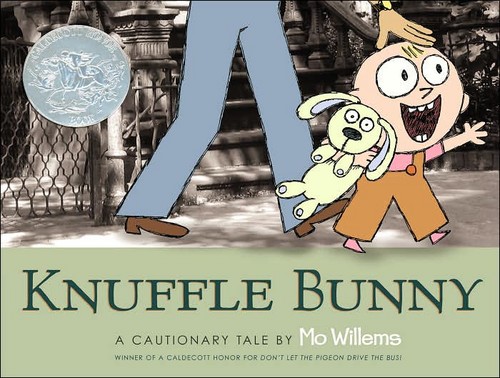
Knuffle Bunny series by Mo Willems


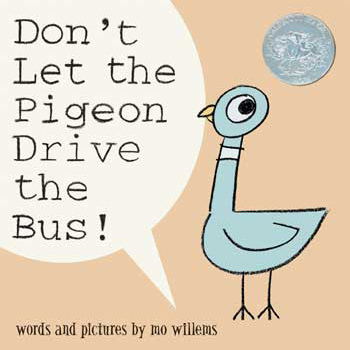
Don’t Let the Pigeon Drive the Bus (as well as the other “Pigeon” books in the series) by Mo Willems


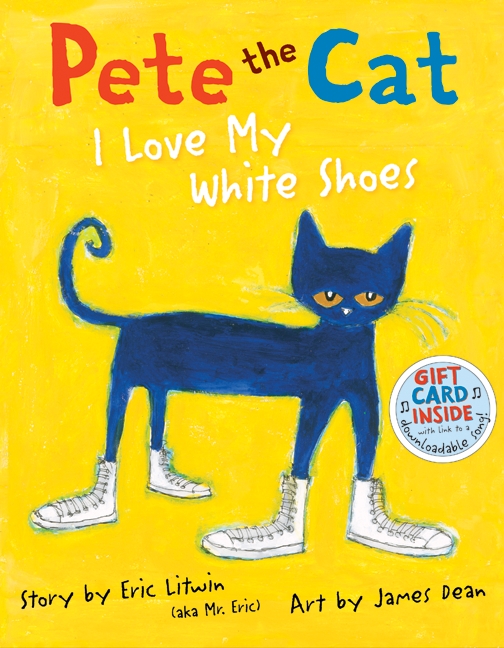
Pete the Cat by Eric Litwin


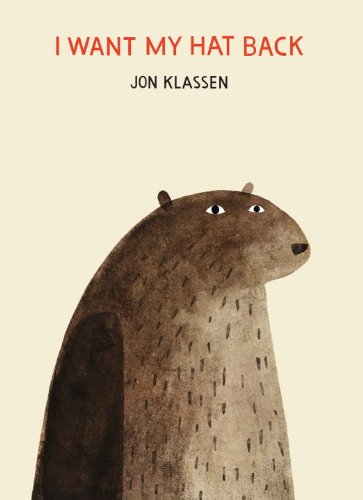
I Want My Hat Back by Jon Klassen


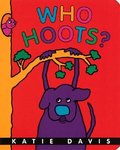
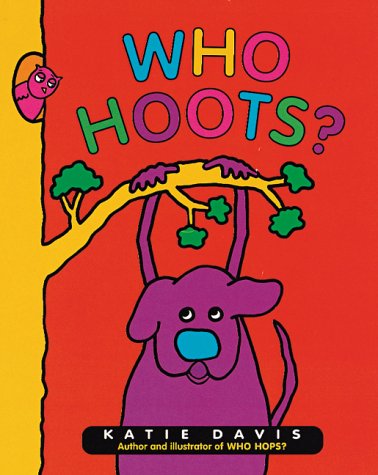
Who Hoots? and Who Hops? by Katie Davis


Chalk by Bill Thomson


What are your class favorites this year? Please share!
Feeling strategies at work

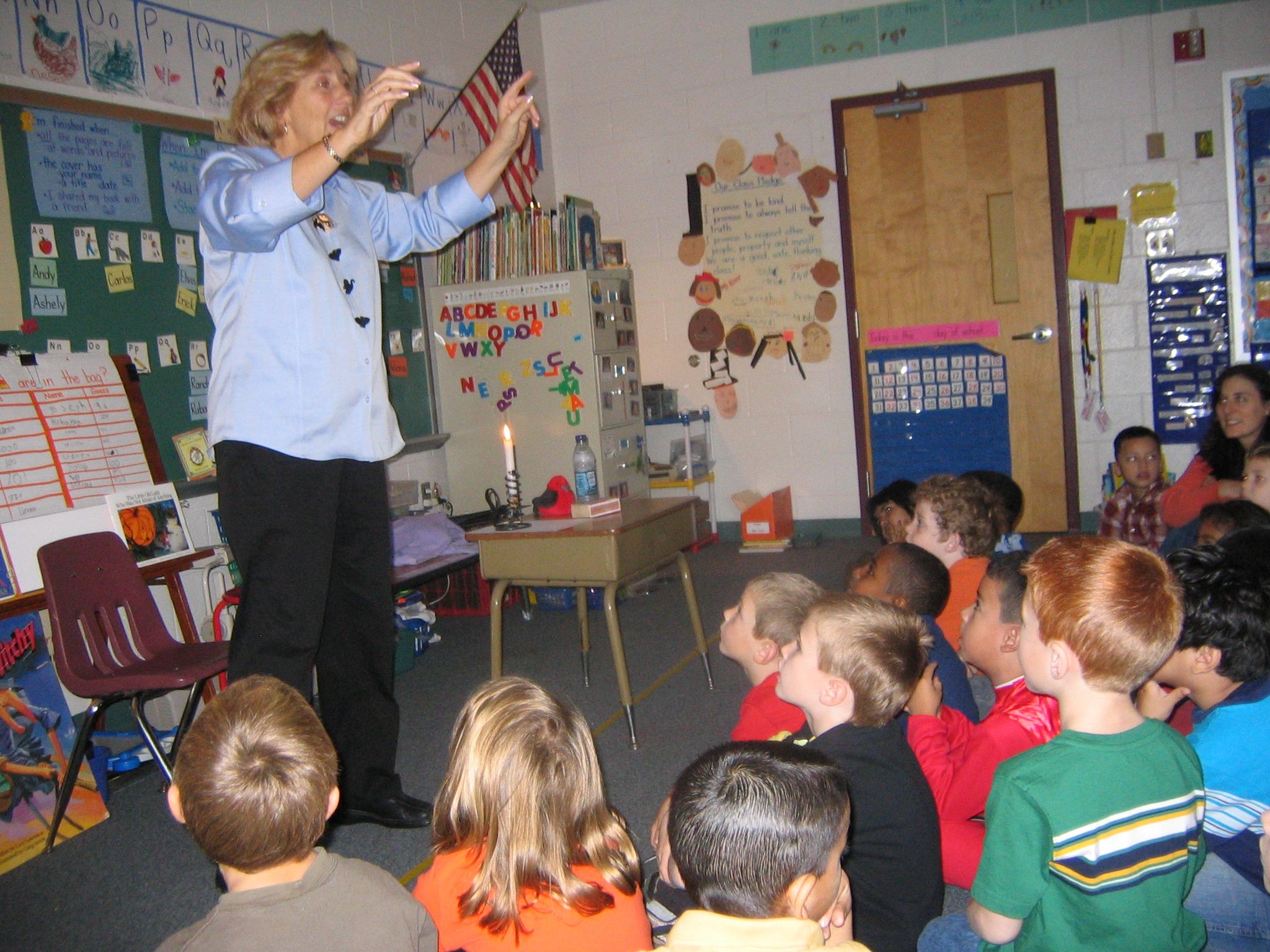
I started thinking the other day about how much has been written lately about getting kids to use their strategies as they read.  We want them to use these strategies to make sense of text and to help them get unstuck when they get stuck.  In one 5th grade class, the teacher and I have been talking about, modeling, and doing shared demonstrations with the kids since September on all kinds of useful strategies, but I decided to come at it from a different angle.  I wanted them to feel how natural and automatic their strategies came into play when the text was something that was extremely easy.  So the day before Thanksgiving I did some storytelling for the class (now don’t stop reading because you are NOT a storyteller; you can do this same lesson with a read aloud book.)

I storytold the folktale “Tinderbox” first.  After the kids did a quick turn and talk about what they liked about the story, we looked at a chart with pre-written words — visualizing, predicting, making connections, questioning, inferring (and under inferring it said, “characters, underlying ideas, word meanings.”)  As we talked about each one, the kids had so much to say. I was amazed!  There was no “pulling teeth” to keep this discussion going. Here are a few snippets from that conversation:

Pat: When I was telling this tale I had no book or props in front of me.  Did you get any pictures in your mind?  What mental image was clear to you during the telling?

The 5th graders described in great detail the chamber with three doors, the enormous dogs sitting on top of each sea chest, the witch sitting by the large oak tree, and many more scenes.

As we discussed predicting, almost every student said they predicted that the third sea chest would contain gold.  Following that, other kids shared ideas of when their predictions didn’t come true.  One student said, “I thought sure the witch was going to kill the soldier when he wouldn’t give up the tinderbox, but I was surprised that she was the one who burst into 1,000 pieces.”  Another said, “when you said the princess was locked in a tower, I thought this story was going to turn into Rapunzel, but it didn’t.”  It was easy to lead the discussion into the idea that sometimes we need to rearrange our predictions as we get more information.  The discussion continued with connections to other books and questions or wonderings the students had during and after the story.

My favorite part of the discussion came when the kids realized how easy it was to infer word meanings when they were totally engaged in the story.  I asked them to figure out what it meant when I told about the witch having a hard time pulling up the soldier with the rope “because he was so laden down with all that gold.”  Though that’s certainly not a word they use, they quickly figured out what it meant.  Several students were also able to come up with a word that described the main character of the soldier (another way to infer) — greedy, clever, self-centered, careless with money — and gave evidence from the story to back up their idea.

Pat:  We also said that inferring had a lot to do with reading deeply and trying to “see more.”  Did you get any idea about how women were treated back in these medieval times?

Serena: Not so great.  That princess didn’t get to decide who she wanted to marry.  Her parents wanted to decide for her.

Chris: Yeah, and the soldier wasn’t very respectful of the witch.  I mean, she was just an old lady, but because she was ugly, he called her a witch.  And she made him rich, but he still wouldn’t give her back her tinderbox.

I ended the discussion (which could have gone on and on!) with reminding the kids that what they were doing was feeling their strategies at work.  I said, “You see, you own these strategies.  They are yours.  It’s like you have powers – thinking powers – that can help you understand what you are reading. It was so easy for you to do it with a story that’s not hard to comprehend, but they will work just as well when you are reading on your own in your chapter books.”

I felt this lesson had a strong impact on the struggling readers in the group, and yet everyone in the class enjoyed the telling of “Tinderbox” and later “Tailypo.” How visible are you making those comprehension strategies for kids?  Are you giving kids time to really feel how the strategies can work for them?

Inferring themes and more

The classroom teacher of the 5th grade class I work in suggested I do the interactive read aloud the other day — my favorite thing!  Since this is a Literacy Collaborative school, reading workshop is opened with a ‘readers’ statement,’ (a short statement about something readers do that helps anchor our instruction and focus our students) so I began with “Readers often read deeply and try to ‘see more’ than just the surface storyline.”

Since the start of school we have been talking about inferring, reading between the lines, figuring out the underlying message of a picture book if there is one. The class had read Ish and Crow Boy, along with a few others, and had some great discussions about the message or theme. (By the way, the teacher and I don’t worry much about whether students can define the words ‘infer’ or ‘theme’.  We feel it’s more important that they actually DO infer, read deeply, support their opinion about a theme they’ve discovered, comprehend well and so on.)

We’re finding that the students are not familiar with a lot of themes in the literature they read (after all they are only 10 and 11 years old), so we’ve been trying to support them by guiding their thinking as we discuss texts together.  They don’t realize as easily as we do that themes can be things like: courage, honesty, standing up for what you believe in, fighting against peer pressure, survival, the power of friendship, believing that everyone has strengths and weaknesses, and so on. The more experiences we give them with interactive read alouds, allowing time to negotiate the deeper meanings of texts together, the greater the chance that they will be able to do this on their own.  Basically, it’s just another way of scaffolding their thinking processes.

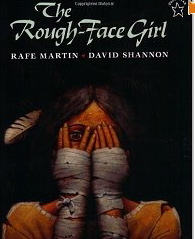
I wanted to begin with an easy theme to spot, so I told the students that a very popular theme in books is the idea of ‘good vs. evil.’ Some students quickly suggested books like the Harry Potter series and Lightning Thief.  From there we talked about Fairy Tales and how the characters in them are often so clearly all good or all bad.  As we wondered why ‘good vs. evil’ is such a popular theme and has been around for centuries, I shared with them what I learned from reading the note in the front cover of Rough Face Girl.  The note suggests that humans have always craved justice.  We like to see good get rewarded and evil punished.

After a fun read aloud (I love doing the voices of the characters in different ways) the students talked with partners about the evidence supporting the theme of ‘good vs evil’ as well as ideas comparing this book to the Cinderella tale.  They were interested to learn that there are 1500 versions of Cinderella.  Next week I’ll read Mufaro’s Beautiful Daughters (another Cinderella tale from Africa) and our conversation will continue.

Here are a few questions for you to ponder: What picture book do you enjoy reading to kids that has some sort of theme or underlying message? How do you support students in learning about themes? What sort of lessons are you doing in primary grades related to ‘reading deeply’? We welcome your comments.

Also, Katie and I talk more about inferring (it’s not just about identifying themes) in Chapter 9 of Catching Readers Before They Fall. We also did a video webcast  for the Reading Recovery website. You can view our presentation slides and link to the video webcast here.

Fostering Independence – Part 2

A few days ago, we posted some ideas for fostering independence. Here are a few more ways to support children in becoming independent readers and writers:

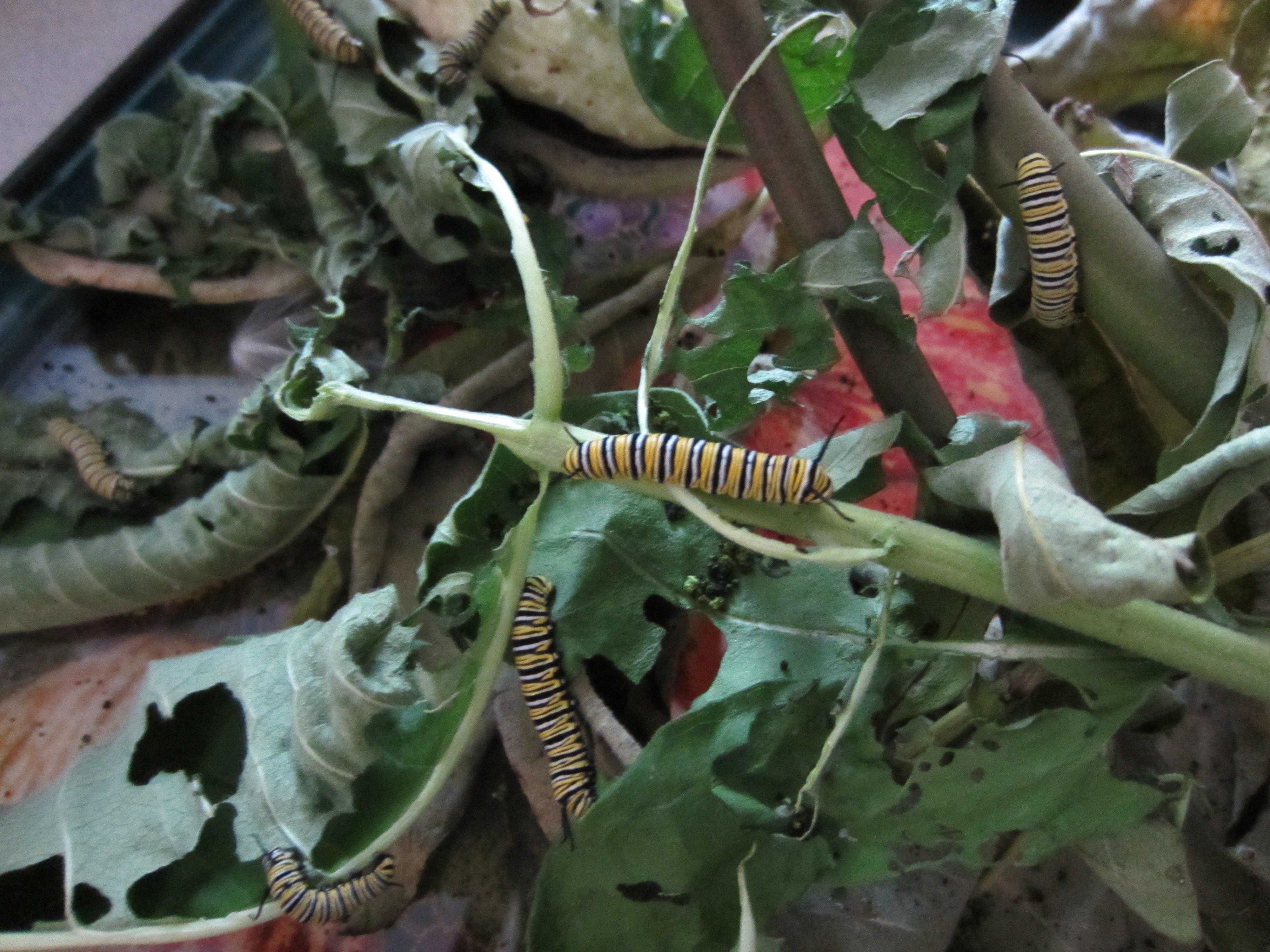
6.)  Ask students what they would like to learn when starting a new unit in the content areas.  Katie recently began a unit on monarch butterflies and her kindergartners wanted to know what the caterpillars ate. They did a science experiment to investigate the answer to this question and read several books to verify their findings. Out of their conversations, many more questions came up that guided their unit on monarchs. Creating a “wonder wall” suggested by Georgia Heard and Jen McDonough, authors of A Place for Wonder , is one way to keep track of all the thinking that comes up when students are investigating a new topic. Many of their “wonderings” become topics for further reading or writing projects.

7.)  Model ways to get unstuck when you are stuck.  Demonstrations are powerful.  But keep in mind that not only do we have to demonstrate strategies, we also have to support students as they take them on independently. If students are going to own their repertoire of strategies for solving words and understanding text, then we must gradually release responsibility to them.  Be sure to scaffold students and not rescue them as Terry Thompson says in his article from Choice Literacy, Are You Scaffolding or Rescuing?

8.)  Allow time for students to talk during interactive read alouds.  Let them share their own thoughts, connections, wonderings, and inferences.  Teaching for comprehension means teaching children to think – but then we have to give them opportunities to actually do that thinking.  Peter Johnston once said, “thinking well together leads to thinking well alone.”

9.)  Use inquiry-based learning in the form of individual project learning.  Provide some time each day for interest-based learning.  In one second grade class a few kids are writing a play together; some are using the internet to find out more about gerbils; some are doing science experiments; another group is reading books by the same author; some are making a store for practicing making change; some are making a poster about Rosa Parks.

10.)  I’ll let our readers add an idea for the 10th way to get your students to own their learning.  What’s your idea?

The Ultimate Goal is Independence

So many of us talk about wanting students to be independent, to be lifelong readers and writers, to choose to read and write on their own time, and so on.  But we have to remember that such independence won’t happen unless we foster it in every single grade level, every single year. Here are 5 of 10 ways to get students to own their own learning as readers and writers (we’ll post the second 5 next week, so remember to check back):

1.)  Independent Reading Time – giving time each day for students to read books of their own choosing is crucial. Share stories of who you are as a reader.  Treat all students as readers, not just the “top” students in your room.  All readers chose what they like, tell others about the books they read, have favorites, keep lists and piles of ‘someday books’, and talk about books and authors.

2.)  Writer’s Workshop – allow for topic choice.  Teach students how writers get ideas. Support them as they create their own possible list of topics. Read aloud to them and show them how authors write about different topics and things they know a lot about. Even if you are using the Calkins’ Units of Study, you can still give choice under the genre you are studying, such as small moments, how-to writing, etc.

3.)  Goal Setting in Reading – We suggest brainstorming possible goals with the students, especially if they don’t have much experience with goal setting.  With the teacher’s guidance, the goals will reflect ways of improving as a reader rather than just a number or level goal. Some of the following were brainstormed in a 4th grade class: I’m working on making my reading sound smoother; I want to try a book that is not a series book; I’m working on rereading the whole sentence if I’m stuck on a word; I want to understand what I read better; I want to read a book in a new genre; I want to read more hours in a week; I’m working on sounding more fluent when I read out loud. Stephen Layne says, “I believe that goal setting can be tremendously motivating –when the people setting the goals are the same people who will be working to make them successful.” He also suggests we nudge kids to set a goal that will “stretch you in some way” and “one that is attainable but will also push you a bit.”

4.)   Goal Setting in Writing – Students can also make their own goals in writing. These will come from what you teach.  If you only stress punctuation, spelling and subject/verb agreement, their goals will reflect that.  But, if your lessons include good leads, good endings, staying on topic, writing descriptively, writing persuasively, developing characters, creating powerful titles, exploding a moment, slowing down the scene to build suspense, incorporating dialogue into your stories, writing free verse poetry, writing engaging non fiction, and so on, then students’ goals will reflect your work with them.

5.)  Show, support, and encourage self-monitoring in reading.  There are so many aspects of reading that we want children to self-monitor for.  We want them monitoring for 1:1 match, for solving words by using a balance of meaning, structural, and phonetic information, for comprehension, for fluency, and so on.  Self-monitoring means ‘checking on yourself’ all the time.  When we get children to be good checkers, they are responsible for their own understanding of texts.

We’ll list more ways to foster independence in a few days, so start thinking of others to add!  We’d love to hear from you.

Conferring with students about their reading

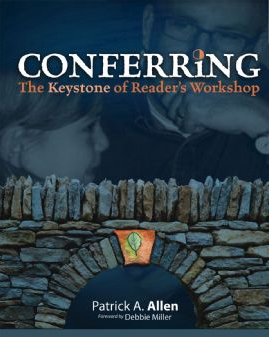
I read Patrick Allen’s book Conferring:  The Keystone of Reader’s Workshop a while back, but reread it when Cathy Mere started a cyber discussion about it a few weeks ago.  Recently, I was re-skimming the last few chapters and I got inspired to want to work with upper elementary grades again.  Since retiring and moving into consulting work, I am only in a school one day a week for volunteering and research.  For the past few years I’ve always been in first or second grades supporting classroom teachers with their struggling readers.  But I’m thinking of taking a whole new direction this school year.  I love the literature that 4th and 5th graders read and I have really missed it.  Patrick’s book is so rich with scenarios of him sitting, chatting with kids, that I could feel myself right there! And I want to be there too.

I particularly like that Allen’s format of RIP (his structure for a reading conference) has three words for each part of his conferring framework. His RIP is so open and useable for any teacher to make his/her own. The “I” section can be instruction, insights, or intrigue.  And that is so true.  Sometimes it is just an insight into the child’s thinking that we make note of, sometimes we are surprised by a response given, but sometimes we need to do some hard teaching.  It is the instructional piece that concerns me the most.

In many of the examples throughout the book Allen confirms or reinforces a strategy that the child has used or he names it for the child.   One could tell that he had done incredible work at the beginning of the year to get all this going.  His students select books well and for the most part comprehend them.  But I have been in many situations (and I’m sure we can all say this) where the child doesn’t comprehend what he is reading.  The student may be in a book that is way too hard to read independently; the student might have a fluency issue; it’s possible he’s not self-monitoring; it might be that his word analysis skills are lacking; there may be unfamiliar vocabulary and she’s not sure how to use the context clues to make it make sense; it could be that the child’s mind wanders and he doesn’t have strategies to help him stay engaged with the text, or any other number of things. As Patrick said, it’s hard to make a quick analysis of what this child needs right then at that moment, but with practice we will all get better.  Our strongest teaching will come into play when the child we are conferring with is NOT understanding.  The instructional piece then means that we have to support that child as we hook him/her back to an anchor lesson or a shared demonstration lesson.

v Remember when we read that ______ article together and we all thought of some questions we had before we read.  I wonder if that will help you here.  Let’s try it together.

v It seems like there were some words in this part that you were unsure of.  Let’s go back to some of those together and I’ll show you what I might do.

v Poems say a lot in so few words.  I find I understand them better when I make pictures in my mind.  Would you like to try that with me here and see if it helps us understand this poem better?

Finding where to meet the child in his ZPD is such a challenge for all of us, but, for many struggling readers, it is during the 1:1 conferring that we can “do it together.” Vygotsky always said that the zone of proximal development is the place where the child can do it “with our help” and the conferring time is sometimes just the right moment for this specific teaching.  As Allen says “it’s hard work” and “it ain’t easy.”

In the last chapters of Allen’s text he asks us to return to our chart we made earlier about “what emerges from a reading conference?”  Luckily I had my paper stuck inside my book.  I was amazed with all I had written and was happy to reflect on it once again.  I will take my chart along with my book to school next year and see if there are 4th and 5th grade teachers who would like to explore conferring with me.  I can’t wait for the fun (and the hard, but satisfying work) to begin!

August 10 for 10: 10 of our Favorite Picture Books!

Cathy Mere at Reflect and Refine and Mandy Robek at Enjoy and Embrace Learning invited us to join in this 2nd annual fun picture book event. We happily accepted the challenge to join our Twitter friends and choose just 10 of our favorite picture books and highlight them here. Enjoy reading our choices and then be sure to head over to their blogs here to read about all the other great picture book recommendations.

Pat decided to pick “oldies but goodies” – a selection of tried and true read alouds for elementary classrooms. Enjoy!

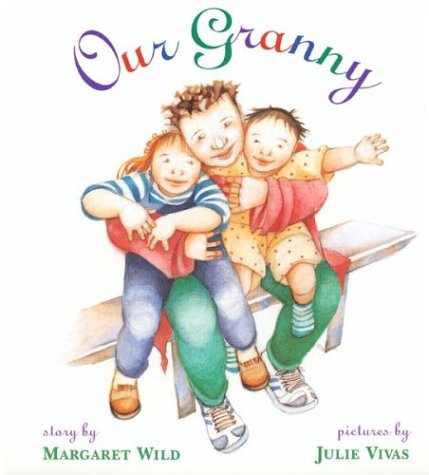
Our Granny, by Margaret Wild

In a celebration of grandmothers, Wild lists all the things grannies can be, all the places they can live, all the hobbies they can have, and so on.  This book speaks to the diversity of the modern day granny.  The illustrations by Vivas are fabulous and even comical at times!

Guess Who My Favorite Person Is, by Byrd Baylor (out of print – check your library)

Just like all of Baylor’s other books, the beauty of nature and being outdoors plays a big role. This time a little girl and a young man describe their favorite color or sound, favorite thing to touch or place to live, favorite smell or moving thing as they play a game lying in the grassy meadow.  Try using this as a mentor text when talking about descriptive writing with students or just enjoy the beautiful language of the poetic free verse.

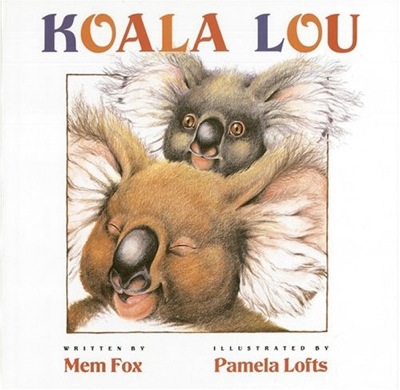
Koala Lou, by Mem Fox

I know it’s been around for a long time, but I still feel compelled to mention it because I love this book so much.  The theme of a mother’s love is so beautifully intertwined with Koala Lou’s undying determination and endurance.  I’ve never met a child or adult that couldn’t relate to this story.  Don’t miss hearing Mem read it aloud on her website.  Her voice will stay with you every time you read it.

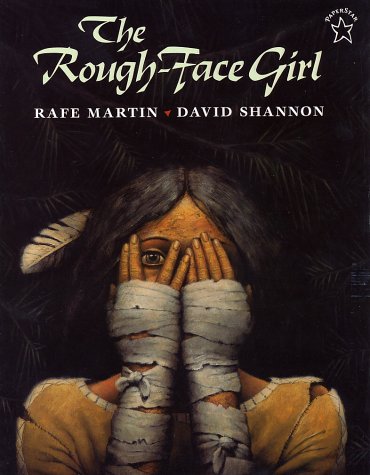
Rough-Face Girl, by Rafe Martin

There are so many wonderful variations of well-known folktales, but this version of a Cinderella tale is one of my favorites. I love changing my voice to match the two haughty older sisters, or the timid Rough-Face Girl, and the sister of the Invisible Being who demands answers from each one of them who wants to marry her brother.  I’ve had many great discussions with 4th and 5th grade students about ‘what is truth, beauty, and true love?’

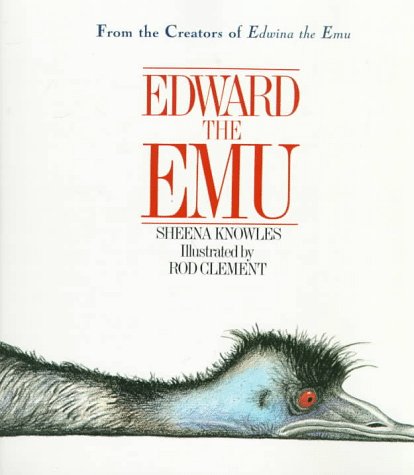
Edward the Emu, by Sheena Knowles

I practically have this one memorized, I’ve read it aloud so many times.  It’s a commonly told story of one animal wishing he were something other than what he is, but realizing his value by the end.  I like the rhyme and rhythm to the language.  The illustrations are incredible.  And the ending adds a little twist… leading right into the follow-up book, Edwina the Emu.


Katie decided to narrow her choices down to 5 of her favorite NEW books! A few are brand new in the picture book world and a few are just new to her. She’s looking forward to sharing them with her kindergarteners this fall.

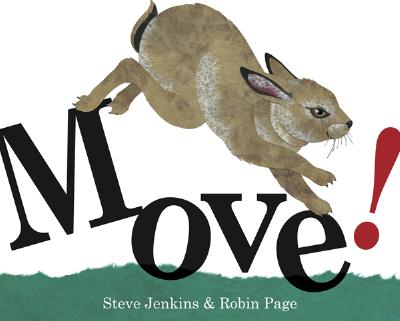
Move! by Steve Jenkins and Robin Page

A wonderfully fun nonfiction book that introduces kids to how animals move. It has beautiful language, “A crocodile leaps to snag its meal after slithering silently into the water…” with text that moves all over the page to show the motion being described. Children will love exploring how animals move with this book.

Should I Share My Ice Cream? by Mo Willems

Another Piggie and Elephant adventure that will help teachers talk about sharing and friendship. The anticipation throughout the text and pictures, along with a twist at the end, will leave readers loving this new book by Mo Willems.

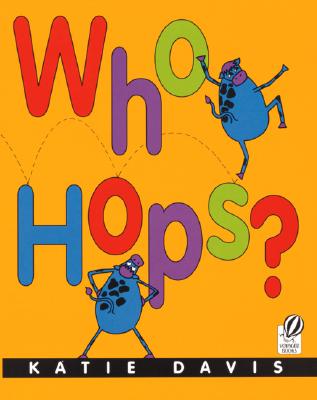
Who Hops? and Who Hoots? by Katie Davis

I can’t believe I’ve never heard of these books until now. They are amazing! I can’t wait to read these to my kinders. Fun, colorful pictures and an engaging text, “Frogs hop. Kangaroos hop. Cows hop. NO THEY DON’T!” will definitely pull young readers in and invite shared reading. I love how there are great nonfiction facts woven throughout as well. “Who squeaks? Hippos don’t squeak. Alligators don’t squeak. Mice don’t squeak. YES THEY DO! – Mice have very bad eyesight and give birth to lots of babies, and they definitely squeak!” Katie Davis has a great website, too!

Pete the Cat: I Love My White Shoes and Pete the Cat: Rocking in My School Shoes by Eric Litwin

Pete the Cat quickly became my favorite read aloud last year, along with this fabulous YouTube video showing the author and illustrator performing the song. Eric Litwin and James Dean have come out with a new Pete the Cat story where Pete is rocking his school shoes as he goes on a tour of the school. This is the PERFECT first day read aloud! And yes, school is “all good”!

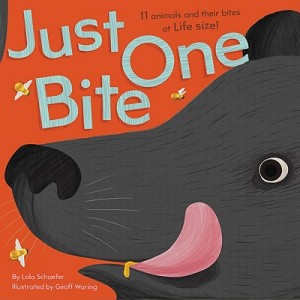
Just One Bite by Lola Schaefer

This HUGE nonfiction book shows kids how much animals eat in “just one bite”. The book shows the life size animals and all or part of the mouths, along with the food of choice. More details follow at the end of the book for kids to learn more about the eating habits of each of the animals. Kids will love this giant book and the great illustrations.


We hope you are starting your year with some old favorites and some new finds that will really get kids loving books and loving to read. What books are in your “top 10”?

Books & Boys – A Review of Pam Allyn’s Best Books for Boys

”Reading can feel as risky as walking a tightrope even if it doesn’t look nearly as daring.” – Pam Allyn

We feel very fortunate to be asked to read and review Pam Allyn’s new book Best Books for Boys: How to Engage Boys in Reading in Ways That Will Change Their Lives. It was a book that we found ourselves highlighting, nodding our heads and even saying “yes!” at several points while reading. Pam’s commitment to our boy readers, and all children, is evident through the work she has done with LitWorld, and her other books for teachers. This is a book that needs to be in the hands of all teachers – for them and for the boys in their classrooms. Best Books for Boys is for any teacher searching for ways to “hook” the boy readers in his or her classroom.

Allyn writes, “All of us, but it seems boys especially, are taught to dislike what we cannot do well. To avoid that trap, let us balance challenge and comfort.”  It is with challenge and comfort that she sets up her classroom environment, immerses boys in great books, provides opportunity for book choice, and encourages book clubs and partnerships where boys can talk, laugh, and explore books together.

Covering just about every topic and genre imaginable, Pam gives us a wonderful selection of books, including poetry, non-fiction, and fiction, to entice our boy readers.  She divides those titles and reviews into emergent, developing, and maturing to further make it easy for her readers to use this resource.  We can all expand our repertoire of great reads by keeping this book handy.

We love how Pam supports us in creating classroom environments that foster a love of reading in all students, including our most reluctant boy readers. Here is our “don’t forget list” as we plan for next school year.  We need:

–    a well-stocked, diverse classroom library that reflects not only the levels but also the interests of our students

–    to show boys why people read: “To laugh. To discover. To research, wonder, and imagine.” and help them develop reasons of their own

–     to invite male role models into the classroom to talk about their reading

–     to value different kinds of reading including magazines, web sites, blogs, comics, graphic novels and video games

–     to be responsive to active learners and to provide space for boys to be themselves

–     to provide lots of time for play and movement surrounding reading

–     to value and make time for daily independent reading, encouraging choice and supporting boys as they learn to choose books that match their interests

–     to honor the social aspect of reading by providing time for meaningful talk about books, poems, and stories.

Here are some of the wise words from Pam that caused us to ponder, connect with a particular student or remind us of the important work we do:  
“There should be little difference between reading for school and reading for fun: we want boys to approach all their books with curiosity and excitement.”
”Let’s align reading more with play than work. Let’s think of it more as a joy, a distinct pleasure of being human, than as a task. Let boys read, and let them read what they like.”


”Reading can feel as risky as walking a tightrope even if it doesn’t look nearly as daring.”


”Giving boys books at a variety of levels helps them to build a sturdy foundation so they feel safe in trying more challenging ones. It is also essential to value each book in and of itself, not just as a stepping stone to more challenging ones.”


”My mission is to help all children achieve not only functional literacy but transformational literacy. The kind of literacy that will allow them to learn something new every day, connect to all people everywhere, and to invent new ideas that could change the world.—And in this process, to learn, through reading, how to be the kind of person they want to become.”

We highly recommend Pam Allyn’s Best Books for Boys.  Read it, enjoy it, and keep it close on your bookshelf as a reminder of how important it is to reach our boys and as a reference as you strive to help every boy become a reader.

Do you love to read?

I am an avid reader. I’ll admit, it’s bordering on an obsession. There are stacks of books throughout my house, my office at school, and quite often, in boxes waiting for me on my front porch. I am passionate about books and reading and I love to share this passion with the kids I teach. Many former students have come back to visit and say the thing they remembered most was how much I loved books, and how I helped them learn to love books and reading.
 
But what if you’re a teacher who doesn’t love books? One who doesn’t read much beyond magazines, newspapers or articles on the web? One who doesn’t call herself or himself a “reader”? Can you still help foster a love of reading in the kids you teach?
 
One of my grad students recently shared that she really isn’t a reader. She recognized that this might be a problem since she’s expected to teach kids how to read and that she wants the students in her class to love reading. She decided to join a book club at her school, and shared with the class that it was the first novel she’s read since high school. I admire her honesty and willingness to be a learner alongside her students. I was thrilled when this same student came to class on the day we were doing our Young Adult literature book clubs saying that she was hooked on these kinds of books. She couldn’t wait to read the rest of the suggested books on our list and she was amazed at how quickly she had read her book. She discovered the hidden reader inside of her, and couldn’t wait to continue finding more good books to read.
 
I’ve always loved reading. It came easy for me, and I’ve always seen it as a huge part of who I am.  Perhaps teachers who don’t consider themselves readers just haven’t found the right book or motivation. So what if this grad student found her way in to the reading world by starting with Young Adult novels.  How we get there doesn’t matter.  It’s finding that porthole that counts — a porthole that we can slip through to begin our life as a reader. Being a reader makes being a teacher of reading easier – it really does. When we “walk the walk” and not just “talk the talk” our kids notice. And that reading bug of ours eventually bites them and they become kids who love to read too.