Feeling strategies at work

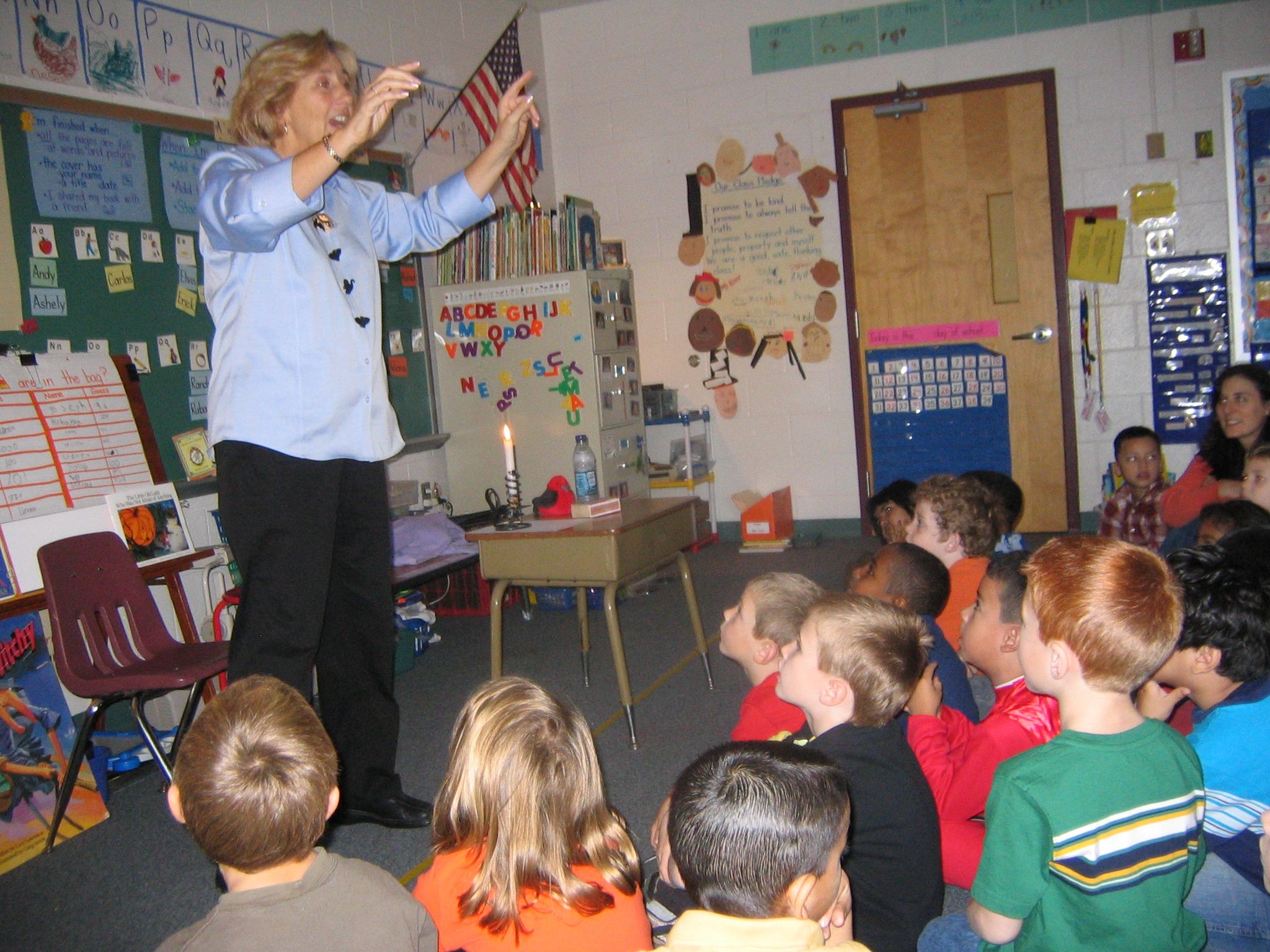
I started thinking the other day about how much has been written lately about getting kids to use their strategies as they read.  We want them to use these strategies to make sense of text and to help them get unstuck when they get stuck.  In one 5th grade class, the teacher and I have been talking about, modeling, and doing shared demonstrations with the kids since September on all kinds of useful strategies, but I decided to come at it from a different angle.  I wanted them to feel how natural and automatic their strategies came into play when the text was something that was extremely easy.  So the day before Thanksgiving I did some storytelling for the class (now don’t stop reading because you are NOT a storyteller; you can do this same lesson with a read aloud book.)

I storytold the folktale “Tinderbox” first.  After the kids did a quick turn and talk about what they liked about the story, we looked at a chart with pre-written words — visualizing, predicting, making connections, questioning, inferring (and under inferring it said, “characters, underlying ideas, word meanings.”)  As we talked about each one, the kids had so much to say. I was amazed!  There was no “pulling teeth” to keep this discussion going. Here are a few snippets from that conversation:

Pat: When I was telling this tale I had no book or props in front of me.  Did you get any pictures in your mind?  What mental image was clear to you during the telling?

The 5th graders described in great detail the chamber with three doors, the enormous dogs sitting on top of each sea chest, the witch sitting by the large oak tree, and many more scenes.

As we discussed predicting, almost every student said they predicted that the third sea chest would contain gold.  Following that, other kids shared ideas of when their predictions didn’t come true.  One student said, “I thought sure the witch was going to kill the soldier when he wouldn’t give up the tinderbox, but I was surprised that she was the one who burst into 1,000 pieces.”  Another said, “when you said the princess was locked in a tower, I thought this story was going to turn into Rapunzel, but it didn’t.”  It was easy to lead the discussion into the idea that sometimes we need to rearrange our predictions as we get more information.  The discussion continued with connections to other books and questions or wonderings the students had during and after the story.

My favorite part of the discussion came when the kids realized how easy it was to infer word meanings when they were totally engaged in the story.  I asked them to figure out what it meant when I told about the witch having a hard time pulling up the soldier with the rope “because he was so laden down with all that gold.”  Though that’s certainly not a word they use, they quickly figured out what it meant.  Several students were also able to come up with a word that described the main character of the soldier (another way to infer) — greedy, clever, self-centered, careless with money — and gave evidence from the story to back up their idea.

Pat:  We also said that inferring had a lot to do with reading deeply and trying to “see more.”  Did you get any idea about how women were treated back in these medieval times?

Serena: Not so great.  That princess didn’t get to decide who she wanted to marry.  Her parents wanted to decide for her.

Chris: Yeah, and the soldier wasn’t very respectful of the witch.  I mean, she was just an old lady, but because she was ugly, he called her a witch.  And she made him rich, but he still wouldn’t give her back her tinderbox.

I ended the discussion (which could have gone on and on!) with reminding the kids that what they were doing was feeling their strategies at work.  I said, “You see, you own these strategies.  They are yours.  It’s like you have powers – thinking powers – that can help you understand what you are reading. It was so easy for you to do it with a story that’s not hard to comprehend, but they will work just as well when you are reading on your own in your chapter books.”

I felt this lesson had a strong impact on the struggling readers in the group, and yet everyone in the class enjoyed the telling of “Tinderbox” and later “Tailypo.” How visible are you making those comprehension strategies for kids?  Are you giving kids time to really feel how the strategies can work for them?
Playing with Books

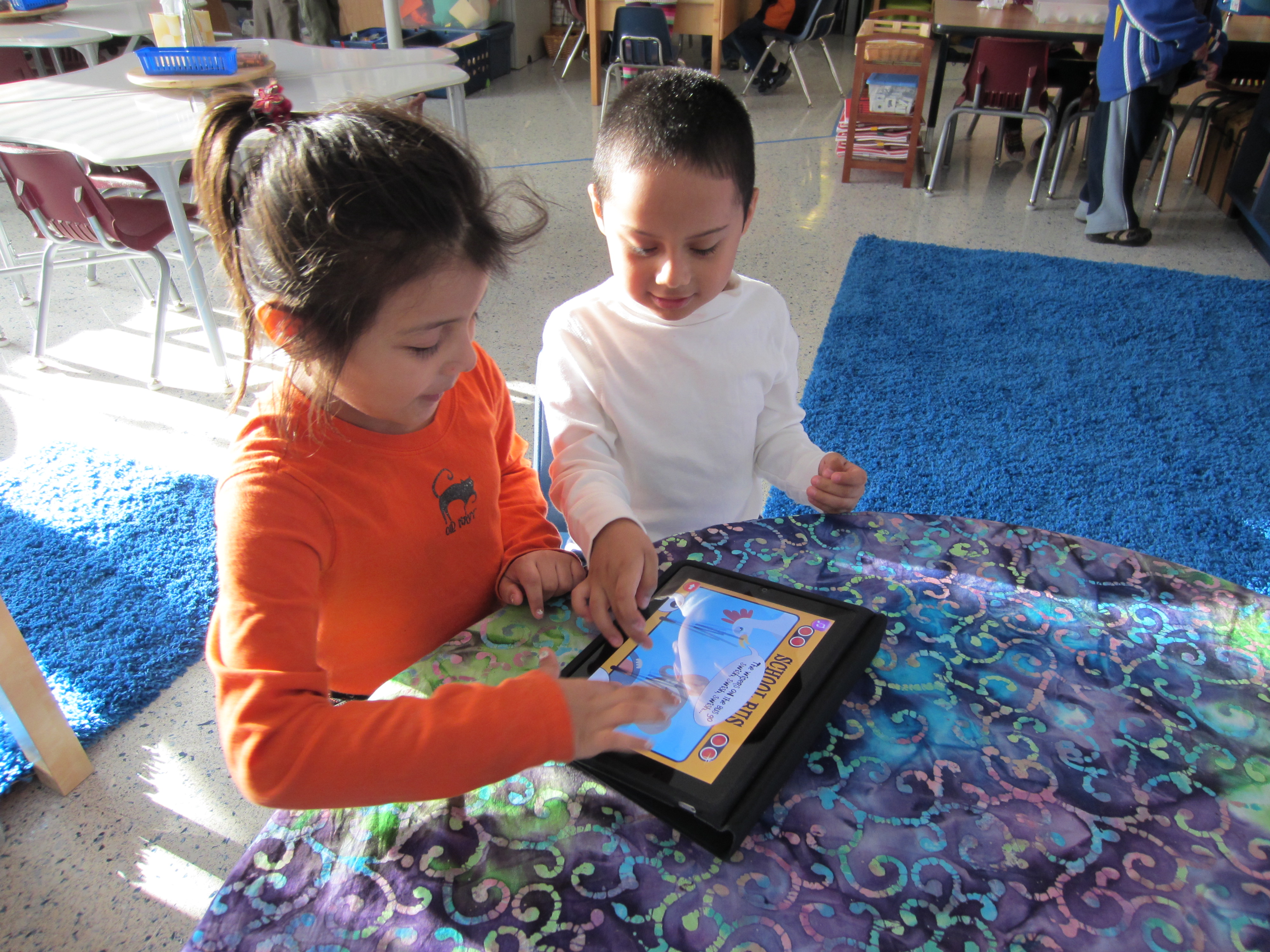
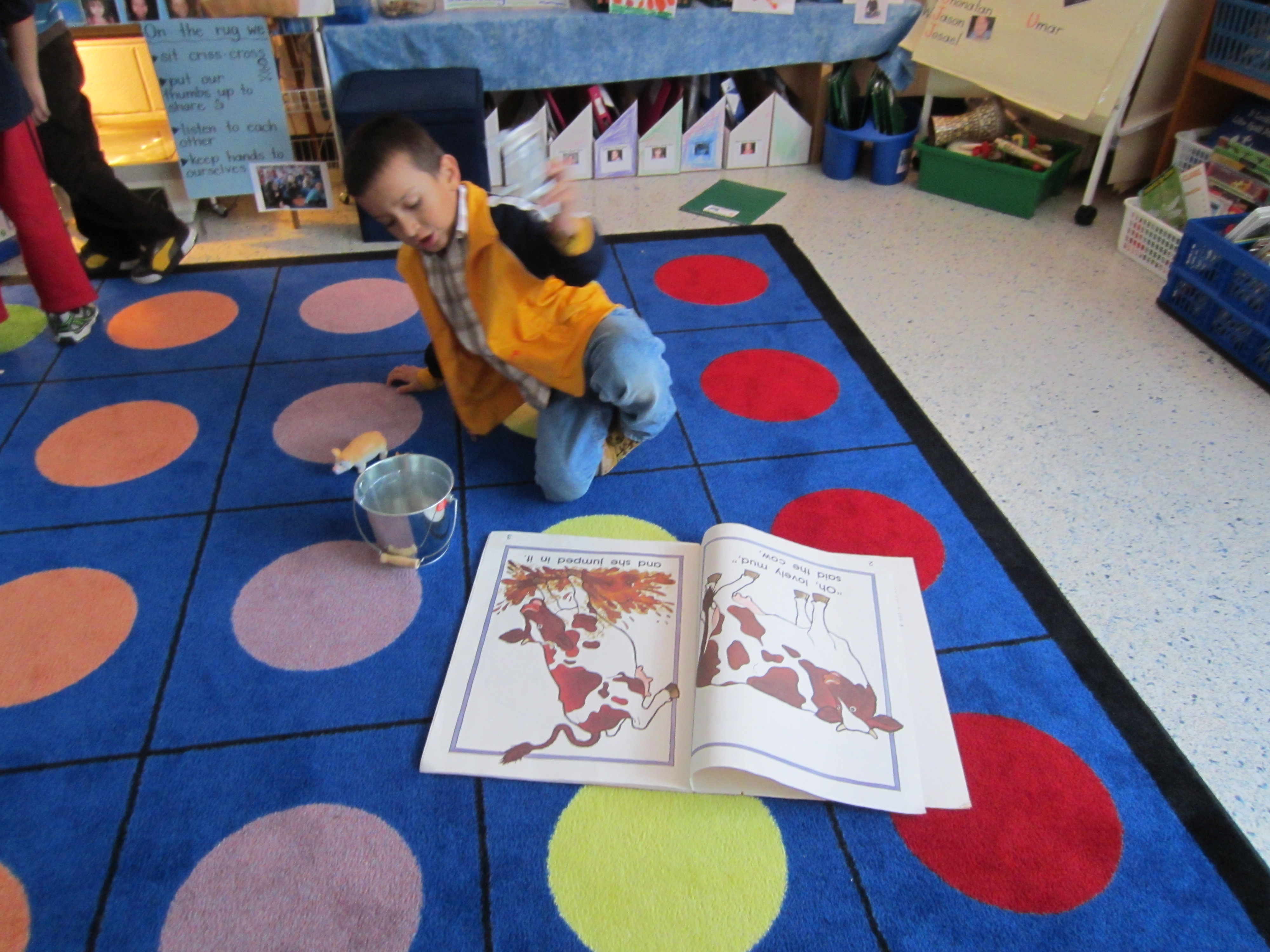
Our read aloud time is one of my kindergarteners favorite times of the day. They love to listen to books and to talk about the books we read. Whenever I can, I will use realia or puppets while reading a book to my class. It makes the story come alive, engages all my kids and helps my ELLs connect with the book. Our Pete the Cat stuffed animal and Very Hungry Caterpillar puppet are favorites for the kids to play with after hearing the stories many times. I recently got props to go with Mrs. Wishy-Washy (a tin bucket, a cow, a horse and a duck) with the intention of using them during math for storytelling problems. While they are great for that, my kids started getting them out during our literacy stations to retell the story. They were retelling the story, sometimes using the book, sometimes not , capturing the different voices, dialogue and general storyline.  They pretended to be the characters, changing their voices to go along with the story and retold the story numerous times. This is going to become a regular literacy station in our classroom with props for other books available to play with as they retell the story or make up a new story. Thanks to a picture I saw on Twitter from @TeachLearnLive, I’m planning a Knuffle Bunny station with a cardboard box for a clothes dryer, a clothes basket and a Knuffle Bunny doll. Hattie and the Fox props are ready to go next week too. I’m looking forward to seeing what else comes out of this book play over the next several weeks. I plan on observing, listening and joining in on the play during our literacy station time. What books do you use props for? So many possibilities!

Writing for a Reason

We’ve been making books in my kindergarten class since the first week of school and I am amazed at the wonderful books my students have written already this year. Most of my writers write wordless picture books, although a few are adding letters and names of their friends, as well as dedication pages. When students share their texts, they do a great job “reading” the pictures as they tell their story. When I talk with the kids about their books, I notice that the majority of them are on one topic, even though the blank books I give them have five pages of paper. Some books are personal narratives, some are made-up stories; others are list books and nonfiction books. Our bookmaking time is supported with LOTS of read aloud books, conversations about what authors do when they write books, and invitations (not prompts) to make books like our favorite authors.

  • “Mo Willems uses speech bubbles to help Elephant and Piggie tell the story. You could try that in your book.”
  • “David Shannon makes us laugh when we read his books. You might want to make a book that makes your reader laugh.”
  • Pumpkin Circle teaches us about something real that happens in nature. You’ve learned a lot about pumpkins and monarch butterflies. You could write a book that teaches someone about those things or something else you know a lot about.”
  • “Bill Martin, Jr. writes about the alphabet having an adventure in Chicka Chicka Boom Boom. You could write a book about the alphabet too.”

My kindergarten writers have an hour-long writer’s workshop every day. They are never at a loss of what to write about and they complain when it’s time to stop. They truly love writing and already see themselves as authors. Standing on the shoulders of favorite authors and envisioning themselves making books just like Mo Willems, Eric Carle and Jan Thomas keeps our workshop thriving daily.

This past week we decided that our kinder classroom needed some labels to help us put supplies away and to direct visitors to specific areas in our room. We made a bunch of labels together using interactive writing, with me sharing the pen with my young writers. Our bathroom was carefully labeled (to help the preschool kids who visit our room during art), the window, the block area, the clock, the books, and so on.  Since enthusiasm was high, I decided to take this meaningful activity and link it to the writing my students do every day.

After labeling the room, I invited the children to try labeling in their books. “You might want to try labeling some of the pictures in your books today. That will help someone else read your book – just in case you aren’t sitting there to tell them about it”.  It was a huge “a-ha” moment for many of the children. There was an explosion of letters and words filling the pages of their books. They saw a reason and a purpose for adding words to their stories and moved to a new level of bookmaking. I can’t wait to see where our writing goes from here!

How is writer’s workshop going in your kindergarten or first grade classroom?  What real world writing are your students engaged in?

Inferring themes and more

The classroom teacher of the 5th grade class I work in suggested I do the interactive read aloud the other day — my favorite thing!  Since this is a Literacy Collaborative school, reading workshop is opened with a ‘readers’ statement,’ (a short statement about something readers do that helps anchor our instruction and focus our students) so I began with “Readers often read deeply and try to ‘see more’ than just the surface storyline.”

Since the start of school we have been talking about inferring, reading between the lines, figuring out the underlying message of a picture book if there is one. The class had read Ish and Crow Boy, along with a few others, and had some great discussions about the message or theme. (By the way, the teacher and I don’t worry much about whether students can define the words ‘infer’ or ‘theme’.  We feel it’s more important that they actually DO infer, read deeply, support their opinion about a theme they’ve discovered, comprehend well and so on.)

We’re finding that the students are not familiar with a lot of themes in the literature they read (after all they are only 10 and 11 years old), so we’ve been trying to support them by guiding their thinking as we discuss texts together.  They don’t realize as easily as we do that themes can be things like: courage, honesty, standing up for what you believe in, fighting against peer pressure, survival, the power of friendship, believing that everyone has strengths and weaknesses, and so on. The more experiences we give them with interactive read alouds, allowing time to negotiate the deeper meanings of texts together, the greater the chance that they will be able to do this on their own.  Basically, it’s just another way of scaffolding their thinking processes.

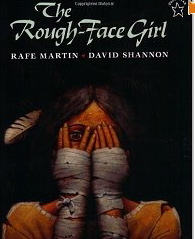
I wanted to begin with an easy theme to spot, so I told the students that a very popular theme in books is the idea of ‘good vs. evil.’ Some students quickly suggested books like the Harry Potter series and Lightning Thief.  From there we talked about Fairy Tales and how the characters in them are often so clearly all good or all bad.  As we wondered why ‘good vs. evil’ is such a popular theme and has been around for centuries, I shared with them what I learned from reading the note in the front cover of Rough Face Girl.  The note suggests that humans have always craved justice.  We like to see good get rewarded and evil punished.

After a fun read aloud (I love doing the voices of the characters in different ways) the students talked with partners about the evidence supporting the theme of ‘good vs evil’ as well as ideas comparing this book to the Cinderella tale.  They were interested to learn that there are 1500 versions of Cinderella.  Next week I’ll read Mufaro’s Beautiful Daughters (another Cinderella tale from Africa) and our conversation will continue.

Here are a few questions for you to ponder: What picture book do you enjoy reading to kids that has some sort of theme or underlying message? How do you support students in learning about themes? What sort of lessons are you doing in primary grades related to ‘reading deeply’? We welcome your comments.

Also, Katie and I talk more about inferring (it’s not just about identifying themes) in Chapter 9 of Catching Readers Before They Fall. We also did a video webcast  for the Reading Recovery website. You can view our presentation slides and link to the video webcast here.

Wordless Wednesday – Collaboration

(OK – not totally wordless, I apologize.) Last week I (Katie) attended the NAEYC annual conference. One of the highlights of the conference was meeting a group of extraordinary educators from Twitter – the founders of #kinderchat, a large group on Twitter. These people are the core of my Personal Learning Network, and it was simply amazing to meet them in person and continue our discussions about education face to face. We live in an age where communication and collaboration has no boundaries. Just think about what’s possible in education with all these minds problem solving and sharing together. It’s an exciting time to be a teacher!

So if you’re not on Twitter yet…listen to this podcast or just sign up!

Left to right: @hechternacht , @Matt_Gomez , @happycampergirl , @kassiaowedekind , @bluskyz – missing @Mr_Fines

Praising the Baby Steps

I was working in a 5th grade classroom today with an ELL student, Jamal (not his real name), who is incredibly far behind his classmates.  Yes, he has some second language issues, having only been in this country for about 2 years, but there are other struggling reader issues going on as well. While other students are reading a variety of chapter books from Amber Brown and Diary of a Wimpy Kid to Harry Potter and Lightning Thief, this student is reading predictable texts at a beginning first grade level.  But what I love about Jamal is how hard he works, how willing he is to practice the guided reading books he is given, and how happy and interested he is in those beginning level books.

What I started wondering today was: are we helping struggling readers to realize their progress enough? Jamal is making progress, yet it is often slow and painstaking.  However, in order to keep him motivated, he needs to hear praise for the baby steps of progress he is achieving.  Some teachers, when faced with a student this far behind, might have trouble seeing the progress because so much of what this child can’t do is so alarmingly visible.

I am reminded of what Carol Lyons wrote in Teaching Struggling Readers: How To Use Brain-based Research to Maximize Learning, “Recent neurological research proves that emotions are central to learning.  They impact what children learn, how they learn it, and how they feel about themselves while engaged in the learning process.” Jamal, and others like him, need teachers willing to notice, praise, and reinforce the strategies and behaviors that he is beginning to take on.  Lyons goes on to say that “children who have positive learning experiences are happy and feel successful and supported.  Children who have negative experiences are dejected and feel like failures and alone.”

Here are a few ideas for helping students realize their growth as readers:

–  You used to ________, but now I notice how often you _________.

–  I can tell you really practiced the books I gave you last week in guided reading because……

–  I notice that you are checking on yourself so much more often.  I think those questions in your head (Does it look right?  Sound right? Make sense?) are really starting to help you.

– You are participating so much more in guided reading discussions (or interactive read aloud, literature circles, or share time.)  I love that you are sharing your ideas and opinions so much more lately.

– When you reread stories you begin to solve your problems faster.  Keep up all that great practice you’ve been doing.

–  WOW, the last time you read that book to me, you sounded a bit choppy.  Today it was beautiful, smooth reading!

–  Have you noticed that you are solving tricky words faster?  I’m wondering why that is.  Do you have an idea?

–  You used to get very distracted by the other students reading near you, but lately you’ve stayed more focused.  What did you change to make that happen?

–  I remember in September how long it took you to get started during writing workshop, but now…

How are you helping the struggling readers in your room to feel and believe in their own personal growth?

Fostering Independence – Part 2

A few days ago, we posted some ideas for fostering independence. Here are a few more ways to support children in becoming independent readers and writers:

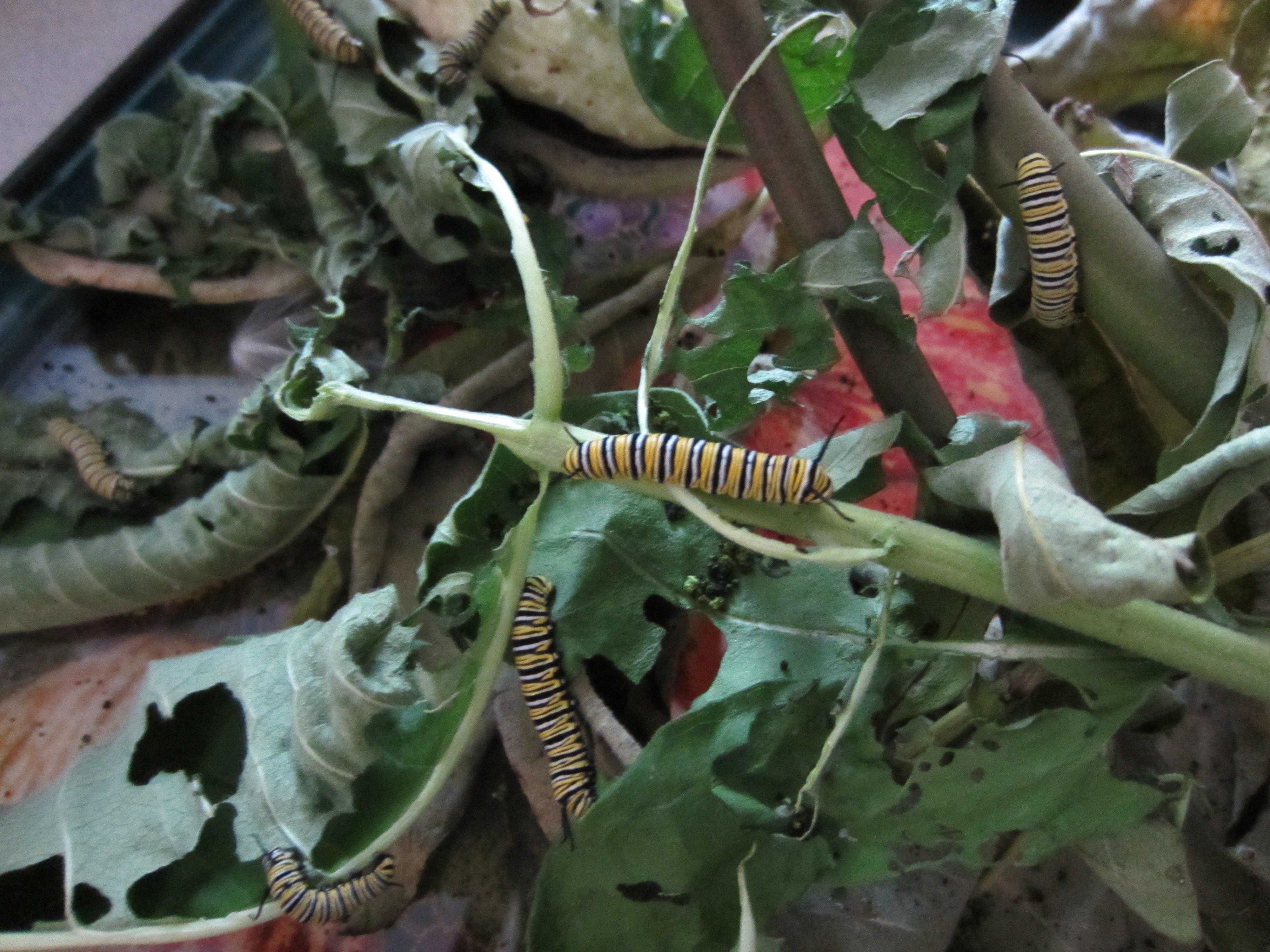
6.)  Ask students what they would like to learn when starting a new unit in the content areas.  Katie recently began a unit on monarch butterflies and her kindergartners wanted to know what the caterpillars ate. They did a science experiment to investigate the answer to this question and read several books to verify their findings. Out of their conversations, many more questions came up that guided their unit on monarchs. Creating a “wonder wall” suggested by Georgia Heard and Jen McDonough, authors of A Place for Wonder , is one way to keep track of all the thinking that comes up when students are investigating a new topic. Many of their “wonderings” become topics for further reading or writing projects.

7.)  Model ways to get unstuck when you are stuck.  Demonstrations are powerful.  But keep in mind that not only do we have to demonstrate strategies, we also have to support students as they take them on independently. If students are going to own their repertoire of strategies for solving words and understanding text, then we must gradually release responsibility to them.  Be sure to scaffold students and not rescue them as Terry Thompson says in his article from Choice Literacy, Are You Scaffolding or Rescuing?

8.)  Allow time for students to talk during interactive read alouds.  Let them share their own thoughts, connections, wonderings, and inferences.  Teaching for comprehension means teaching children to think – but then we have to give them opportunities to actually do that thinking.  Peter Johnston once said, “thinking well together leads to thinking well alone.”

9.)  Use inquiry-based learning in the form of individual project learning.  Provide some time each day for interest-based learning.  In one second grade class a few kids are writing a play together; some are using the internet to find out more about gerbils; some are doing science experiments; another group is reading books by the same author; some are making a store for practicing making change; some are making a poster about Rosa Parks.

10.)  I’ll let our readers add an idea for the 10th way to get your students to own their learning.  What’s your idea?

The Ultimate Goal is Independence

So many of us talk about wanting students to be independent, to be lifelong readers and writers, to choose to read and write on their own time, and so on.  But we have to remember that such independence won’t happen unless we foster it in every single grade level, every single year. Here are 5 of 10 ways to get students to own their own learning as readers and writers (we’ll post the second 5 next week, so remember to check back):

1.)  Independent Reading Time – giving time each day for students to read books of their own choosing is crucial. Share stories of who you are as a reader.  Treat all students as readers, not just the “top” students in your room.  All readers chose what they like, tell others about the books they read, have favorites, keep lists and piles of ‘someday books’, and talk about books and authors.

2.)  Writer’s Workshop – allow for topic choice.  Teach students how writers get ideas. Support them as they create their own possible list of topics. Read aloud to them and show them how authors write about different topics and things they know a lot about. Even if you are using the Calkins’ Units of Study, you can still give choice under the genre you are studying, such as small moments, how-to writing, etc.

3.)  Goal Setting in Reading – We suggest brainstorming possible goals with the students, especially if they don’t have much experience with goal setting.  With the teacher’s guidance, the goals will reflect ways of improving as a reader rather than just a number or level goal. Some of the following were brainstormed in a 4th grade class: I’m working on making my reading sound smoother; I want to try a book that is not a series book; I’m working on rereading the whole sentence if I’m stuck on a word; I want to understand what I read better; I want to read a book in a new genre; I want to read more hours in a week; I’m working on sounding more fluent when I read out loud. Stephen Layne says, “I believe that goal setting can be tremendously motivating –when the people setting the goals are the same people who will be working to make them successful.” He also suggests we nudge kids to set a goal that will “stretch you in some way” and “one that is attainable but will also push you a bit.”

4.)   Goal Setting in Writing – Students can also make their own goals in writing. These will come from what you teach.  If you only stress punctuation, spelling and subject/verb agreement, their goals will reflect that.  But, if your lessons include good leads, good endings, staying on topic, writing descriptively, writing persuasively, developing characters, creating powerful titles, exploding a moment, slowing down the scene to build suspense, incorporating dialogue into your stories, writing free verse poetry, writing engaging non fiction, and so on, then students’ goals will reflect your work with them.

5.)  Show, support, and encourage self-monitoring in reading.  There are so many aspects of reading that we want children to self-monitor for.  We want them monitoring for 1:1 match, for solving words by using a balance of meaning, structural, and phonetic information, for comprehension, for fluency, and so on.  Self-monitoring means ‘checking on yourself’ all the time.  When we get children to be good checkers, they are responsible for their own understanding of texts.

We’ll list more ways to foster independence in a few days, so start thinking of others to add!  We’d love to hear from you.