Our Day in K

So what does a day in a public, Title 1, kindergarten classroom look like? Part of why I love teaching kindergarten is the adventure that each day brings. I can make a schedule, have a plan, do a whole lot of prep work – and have that all go a different direction once my kids enter the room. That said, I do believe that a predictable structure, routines that kids help create and continually revise to meet their changing needs, and a co-constructed curriculum are important and essential. I listen and respond to what the kids bring into each day. I put a great deal of thought and big picture planning into our days, and then remain continually responsive to the children in our classroom and what I observe each day through kid watching and documentation. As I’ve written about before, I teach children, not a curriculum.
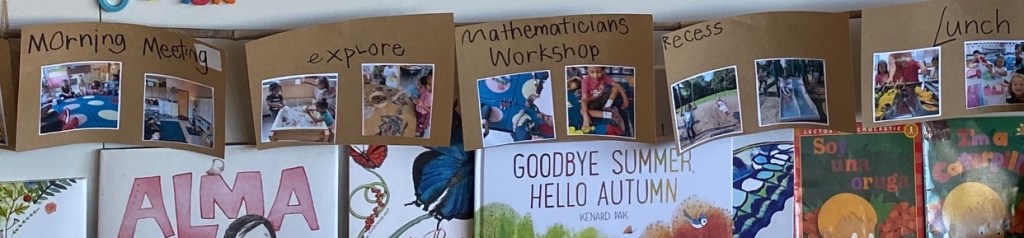
Here’s a general structure of our classroom – at least the one I left last week. When we return in January we will negotiate this again, and through conversations and observation, we will create a structure that works for who we are in January. There are a few non-negotiables that I have in our daily schedule. These are the things that I know are best practice teaching after 28 years in the classroom and my ongoing professional development. They are: play, recess, shared reading, read aloud, literacy & math workshops, interactive writing, and community meetings. How and when we do these things looks different over time as the children grow and change, but they are always a part of every day life in kindergarten. And yes, play is a non-negotiable, because, as we know, play is how children learn. The times are approximate, and our day is more fluid than this appears. For example, you will often see kids reading, making books, engaging with a science or social studies invitation or investigating a math concept during Explore – if that’s their choice for play that day. Oftentimes kids will come in with an exciting idea for a new book to make, or an idea for an art piece or a structure to build. Starting the day with Explore allows them to dive into whatever they are interested in as soon as they arrive. Here is an overview of how our day flows:

  • 8:25-8:45 – Arrival, breakfast, Explore (open ended play with options such as dramatic play, sand, sensory boxes, blocks, puppets, art, math )
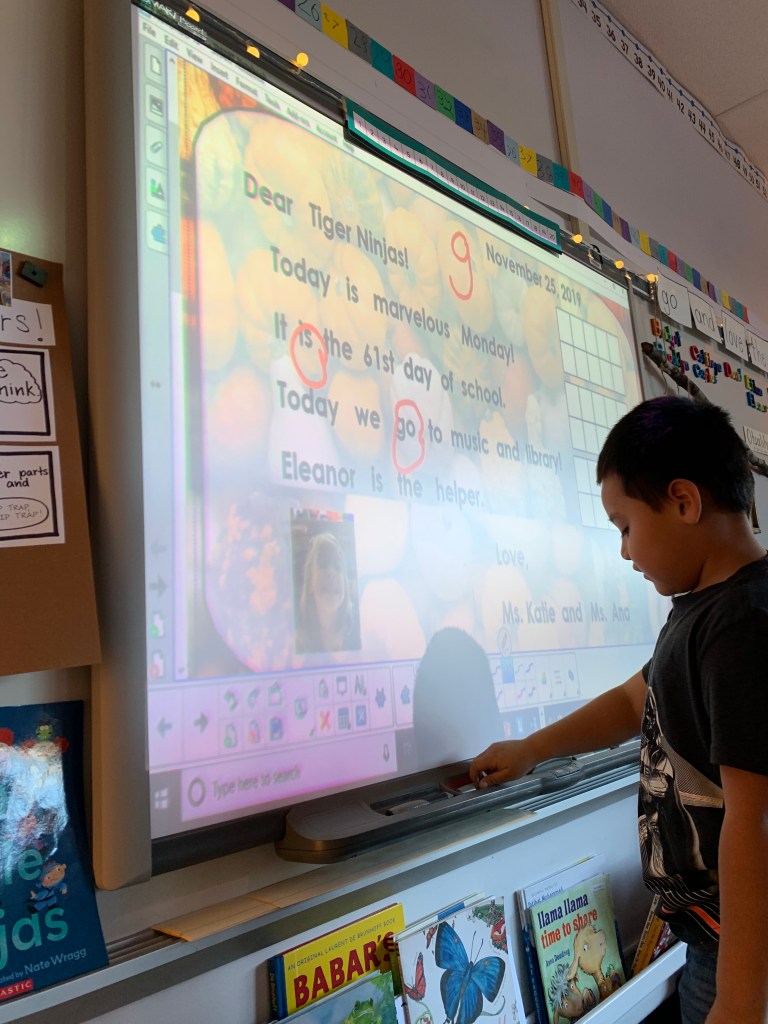
  • 8:45-9:10 – News Show, Morning Meeting, Morning Message, Read Aloud (gathering together and sharing what’s on our minds in a whole class conversation to start our day, our daily letter, and a read aloud)
  • 9:10-10:10 – Explore (open ended play – I engage in play with the kids, facilitate an invitation on a content area (like counting collections, magnet play or squirrels) and meet with kids 1:1 or in small groups)
  • 10:10-10:40 – Mathematicians’ Workshop (whole group number talk and math routines, small group or individual exploration and play, whole group share)
  • 10:40-11:00 – Recess (on the playground structure)
  • 11:00-11:30 – Lunch
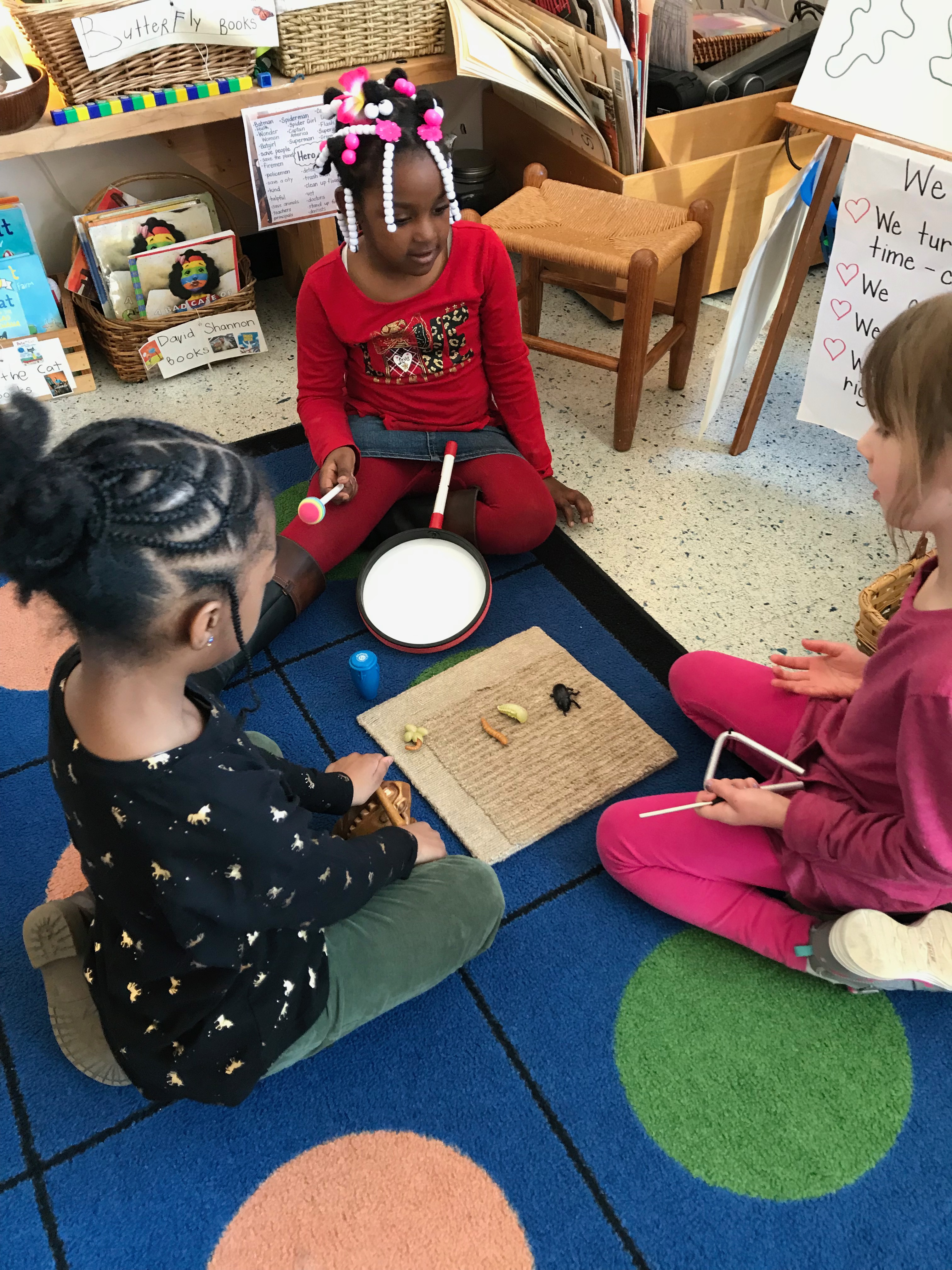
  • 11:30-11:45 – Storytelling (oral storytelling based on Vivian Gussin Paley’s work – children tell a brief story, I record it and then they act it out with children taking on the role of characters and settings as I read the story)
  • 11:45-12:45 – Specials (PE, Music, Art, Guidance – I am in collaborative team meetings two days a week during this time, the other days are common planning time with my team)
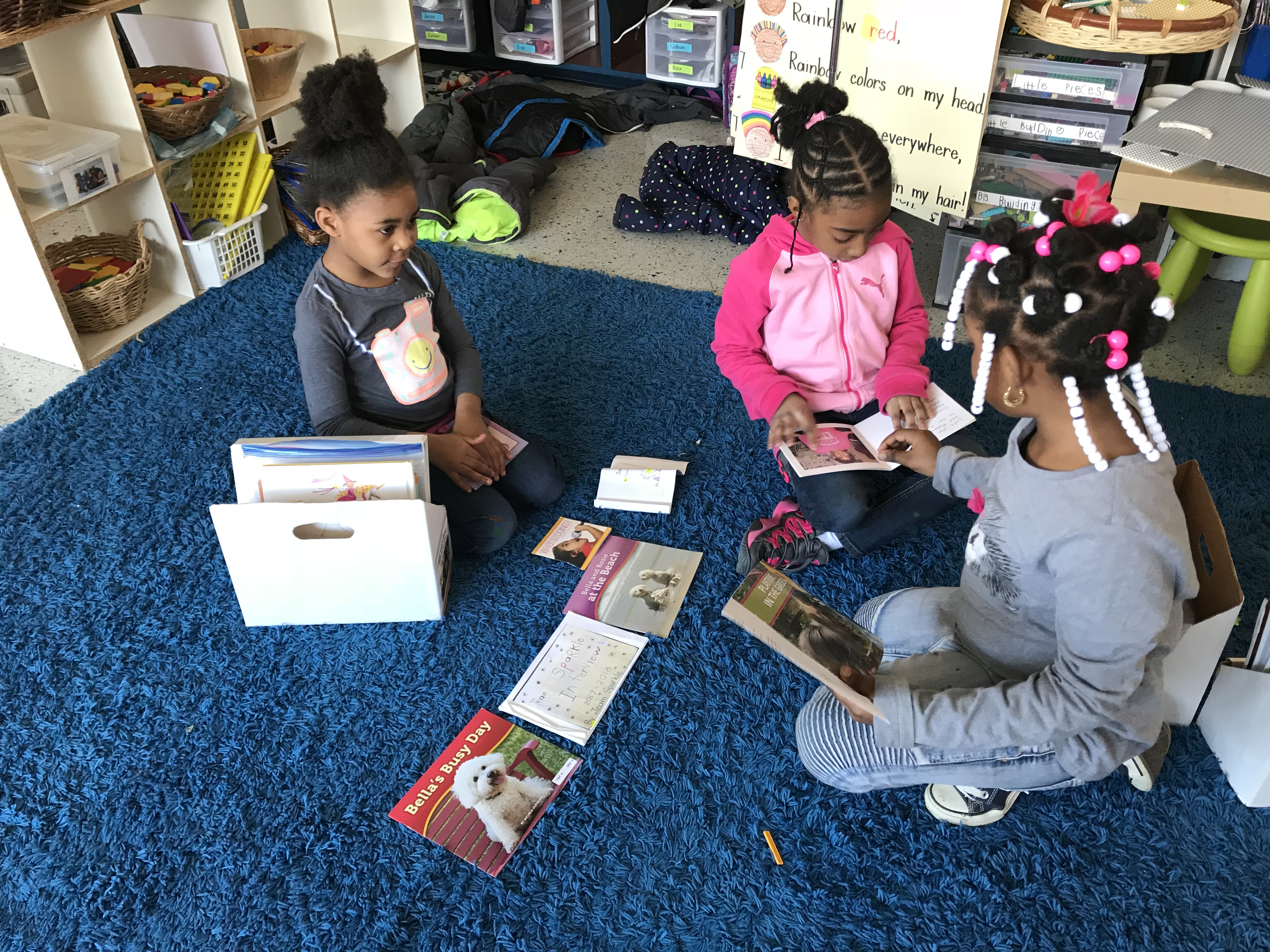
  • 12:45-1:30 – Readers’ Workshop (whole group interactive read aloud, shared reading and/or strategy lesson, inquiry into what readers do, individual and partner reading from book boxes, shared reading charts, classroom library, poetry notebooks, acting out familiar books with props and story language, whole group sharing – I meet with kids 1:1 and occasionally in small groups)
  • 1:30-2:00 – Recess (in a field and garden)
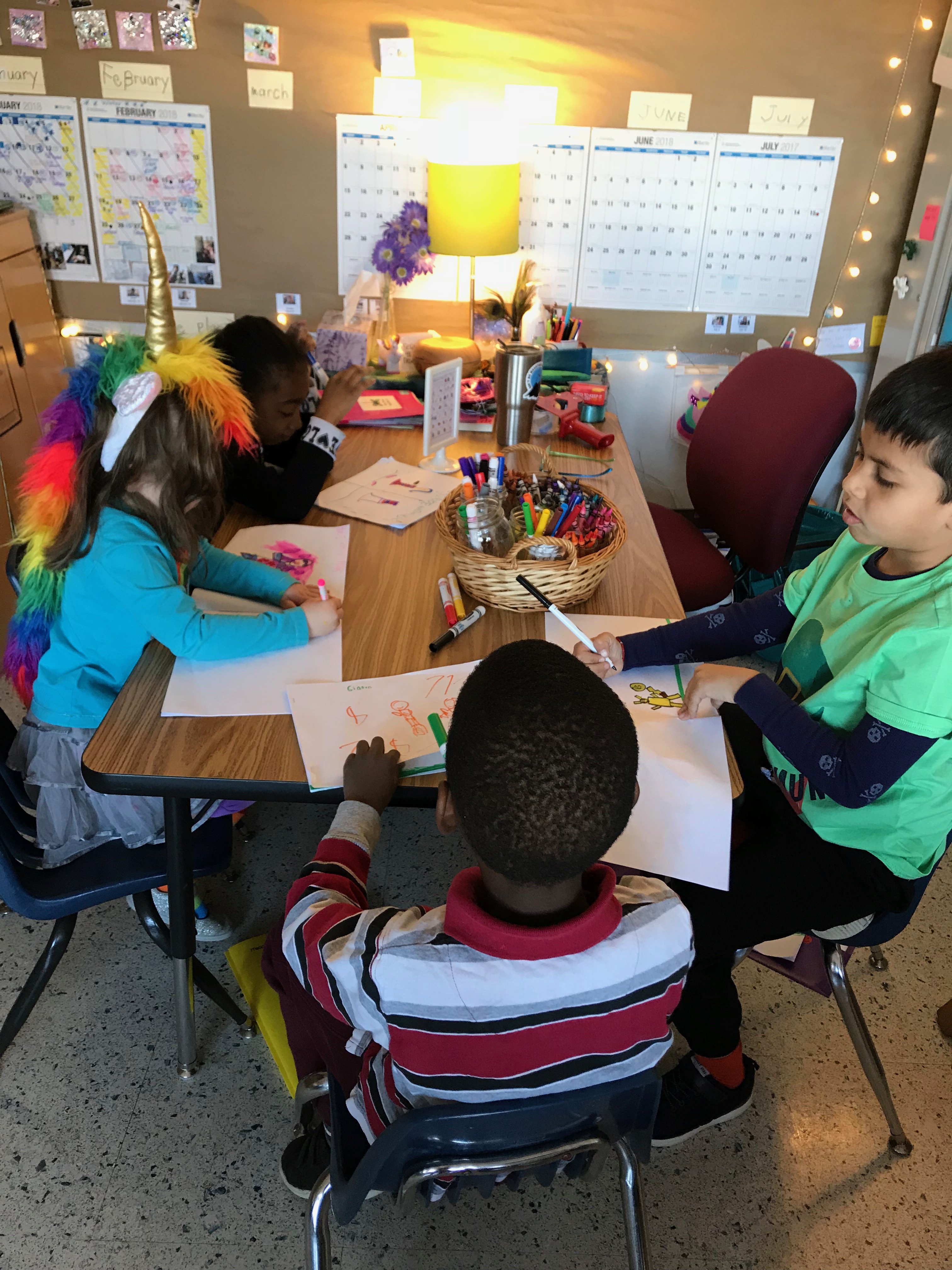
  • 2:00-3:00 – Writers’ Playshop (whole group focus lesson on things such as author’s craft, inquiry into a type of genre, finding stories through play, what writers do – then choices of making books, posters, various writing choices and finding stories in open ended play – I play with the kids, confer 1:1 and meet with small groups, ending in whole group share)
  • 3:00-3:20 – Friendship Workshop (whole group meeting with read alouds, puppets, conversations, problem solving – focusing on building a growth mindset, friendships, our One Big Word, community and the social curriculum)
  • 3:20 – Closing Circle, Dismissal (end of day math routines, songs, packing up)
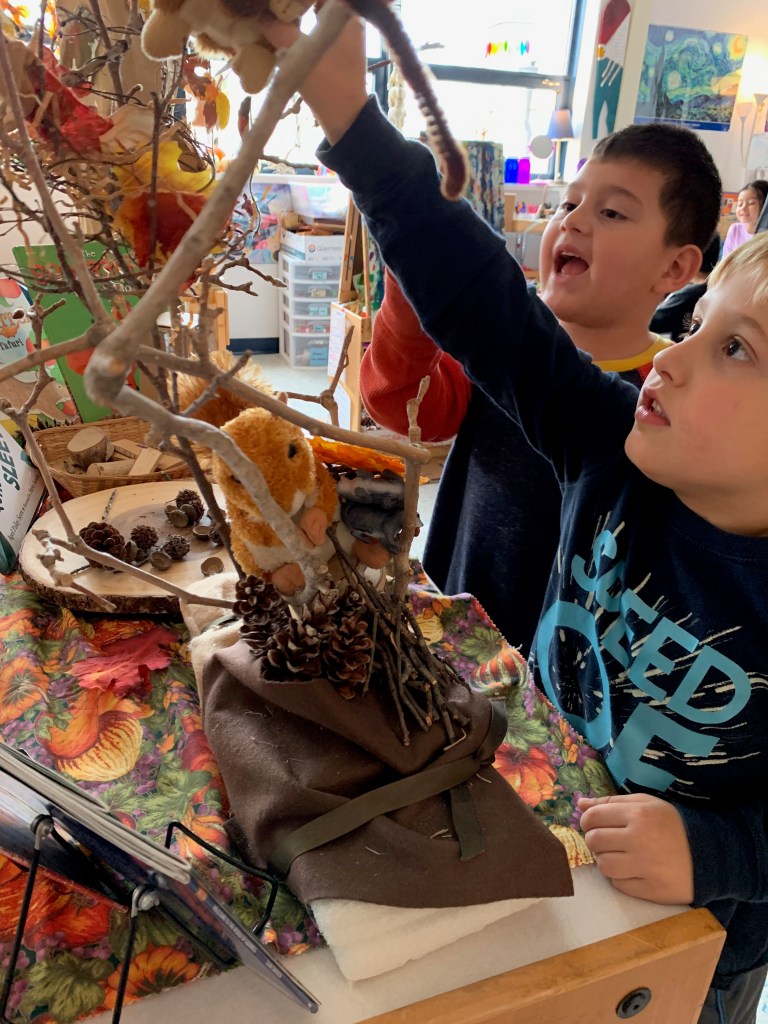
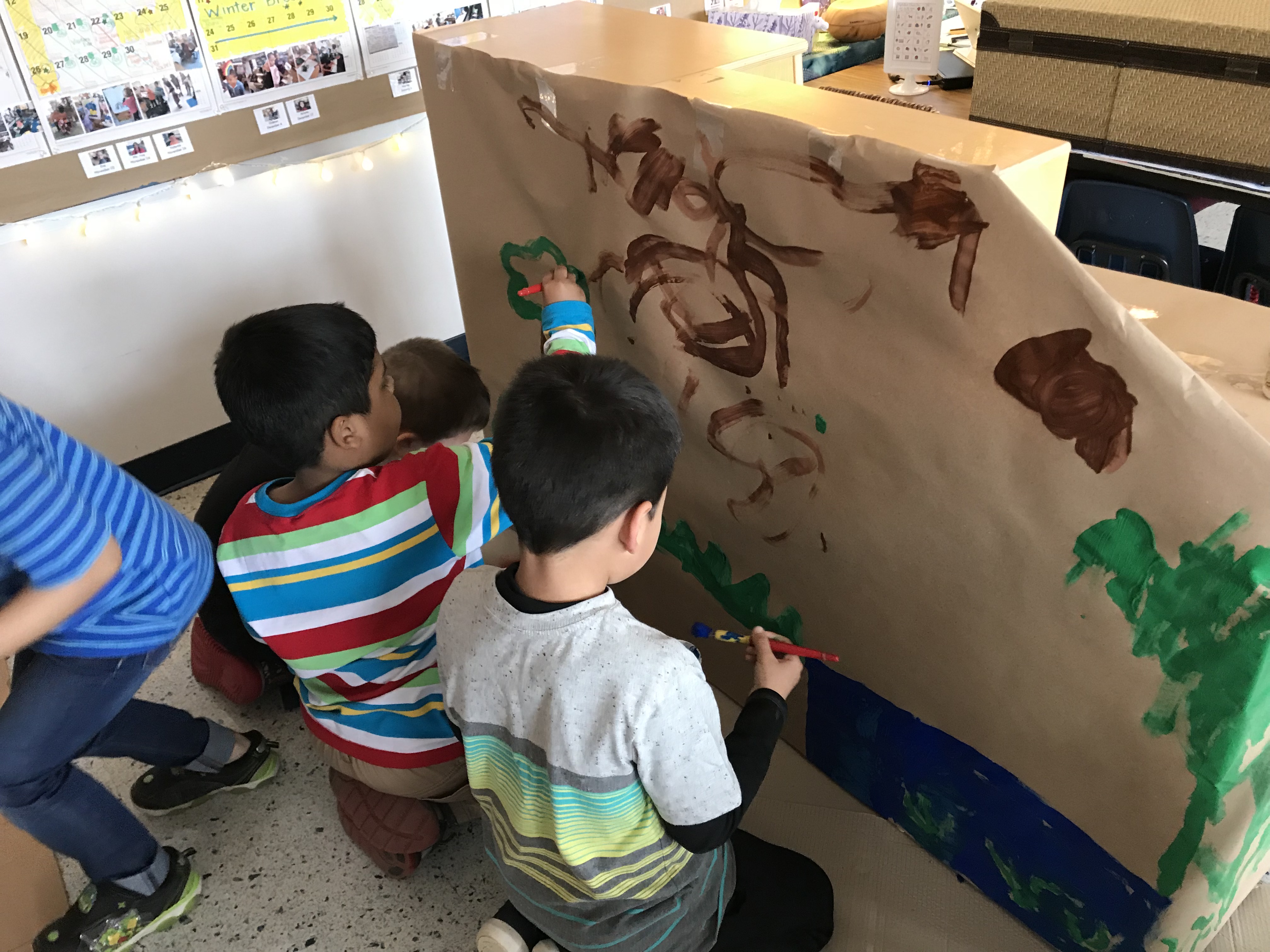
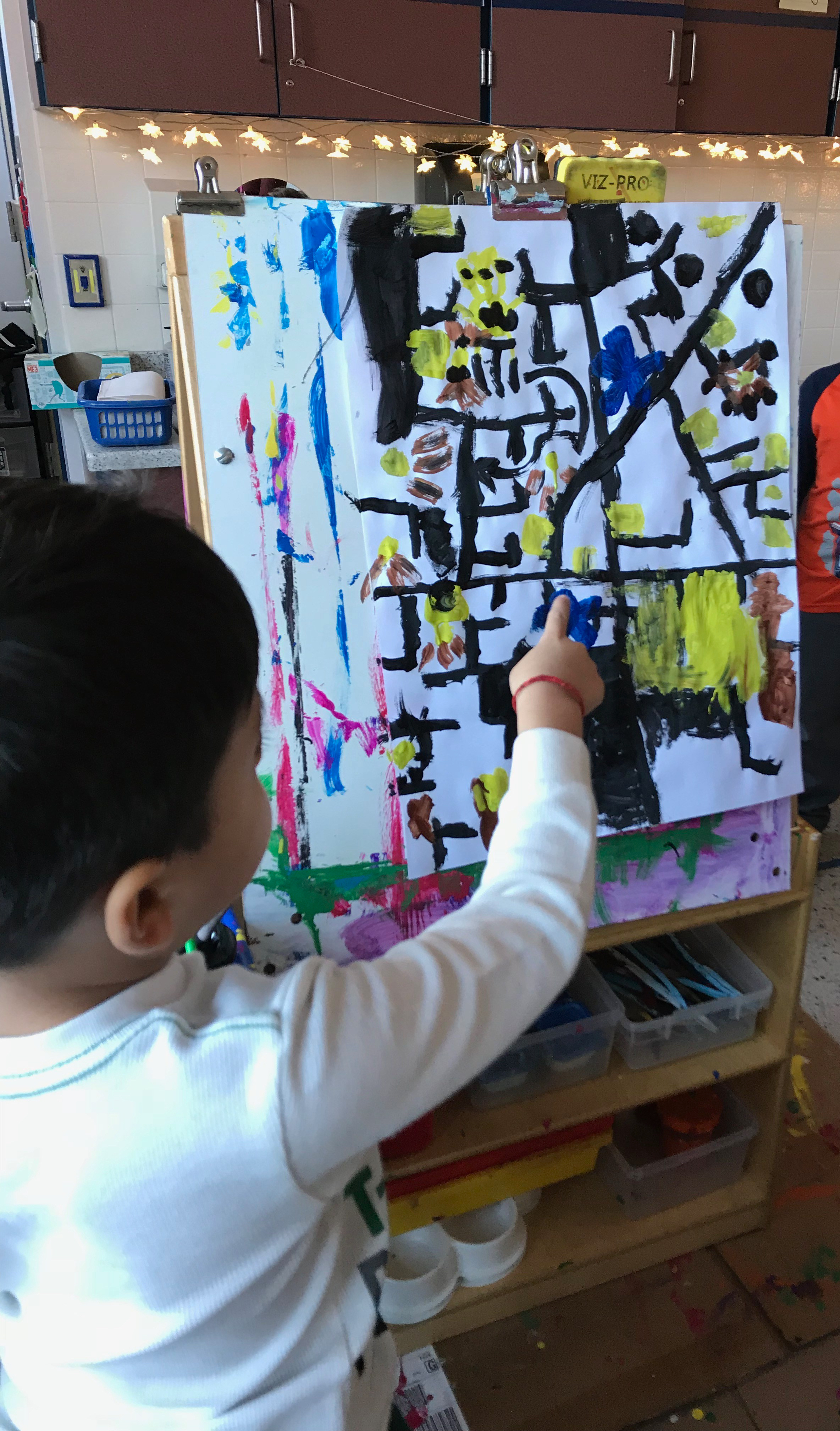
I always find it challenging to write out a daily schedule because there is SO much more that goes on beyond what is listed. And our day just isn’t so segmented. For example, you might be asking, “where’s your science time?”. While science is not listed as a set time, there is a great deal of science happening throughout Explore, in small groups, in read aloud, shared reading and monthly walking field trips. We’ve been studying squirrels (as required by my district) for the past five weeks. The amount of knowledge our kids have is mind-blowing – not because of a 45 minute science block, but because of ongoing discovery, conversation and observation of squirrels. We danced the squirrel life cycle, observed & painted squirrels, watched squirrel TV (who knew?), went on walks looking for squirrel dreys, read countless books on squirrels, wrote our own squirrel books and played with squirrel habitats during Explore for weeks. My kids were so engaged during our squirrel study and are all quite the experts. While this was a teacher-initiated study, the kids had ongoing interest and explored squirrels well beyond the curriculum expectations.
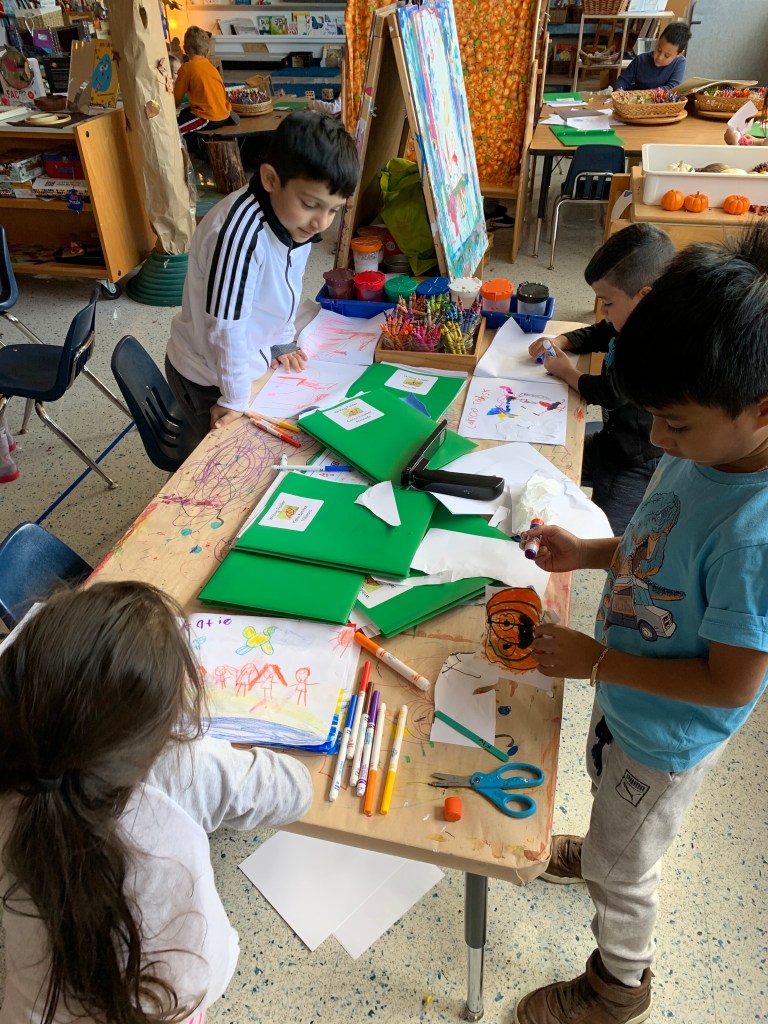
Our workshops follow the foundation established by Donald Graves, Mary Ellen Giacobbe, Lucy Calkins, Nancie Atwell, Katie Wood Ray and others, with the key elements of: time, choice, response, identity & community. They have a predictable structure and begin with a short focus lesson, move into independent workshop time and end with coming back together as a community to share. But this is all done in a way that is appropriate for kindergarteners. And not all kindergarteners (since we know children are vastly different), but the kindergarteners I have at this moment. Playful, joyful, learning and discovery has to be at the heart of this work. The last thing we want to do is to turn off our youngest learners by focusing so much on a curriculum that we forget these are four, five and six year old capable human beings. The independent workshop time looks very different every day during our literacy and math workshops. It might be independent reading, creating stories while playing in dramatic play, a small group shared reading, interactive writing of a letter to a friend who has moved away, building a structure from blocks and loose parts while writing a book about it, playing with Magnatiles, exploring patterns with a variety of tools, reading a leveled text, playing and retelling a story with puppets, or counting collections – just to name a few possibilities. But the work that children are engaging in always goes back to the elements of workshop: time, choice, response, identity and community.
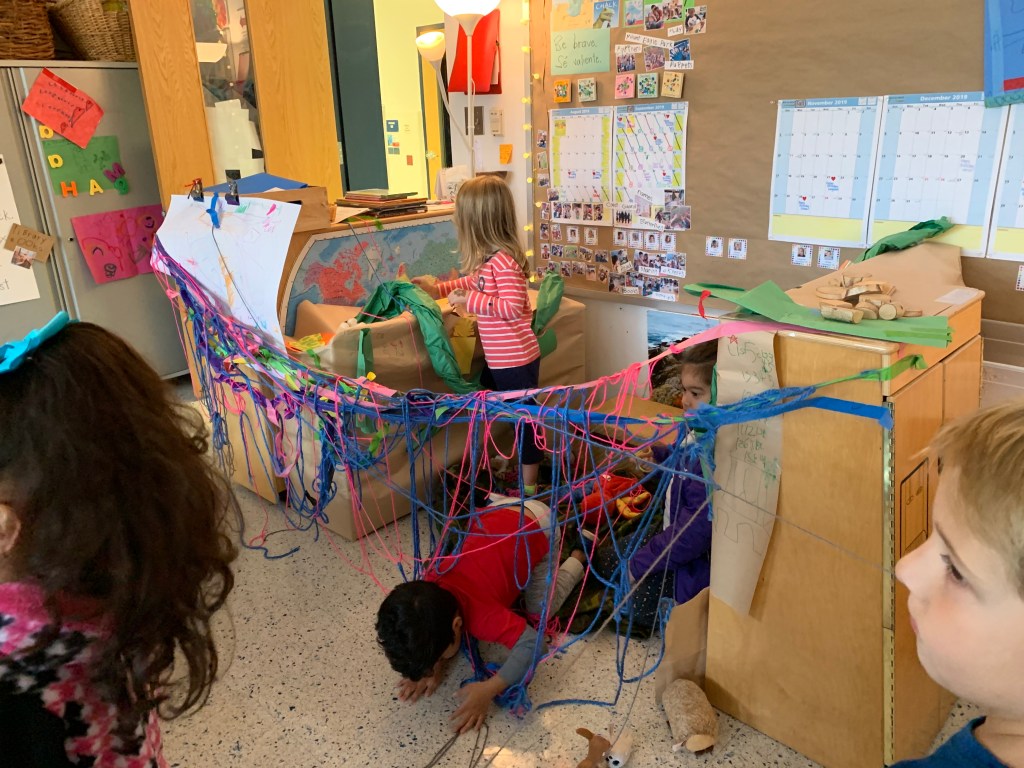
The laser tag project – started in Explore and continued in Writers’ Playshop for several weeks

I wrote this blog in response to numerous requests by teachers to share what our schedule is and what our day looks like. Many of these requests were by teachers who shared that they just didn’t have time for play, or that play wasn’t allowed in their district or they didn’t see a way to do all the academic requirements that are now a reality in kindergarten, along with play. As I wrote before, I believe that play is a non-negotiable. It’s as essential as lunchtime, in my opinion. It is how children learn. As teachers, we have to advocate for our kids, read the research, be informed, share our thinking with others, and at times, be subversive in our relentless pursuit for what children need to grow and thrive as happy learners. I hope this gives you a window into our day and perhaps opened up some possibilities for how you might think about your day, with your kids, to make sure every day is filled with joyful, playful learning and discovery.
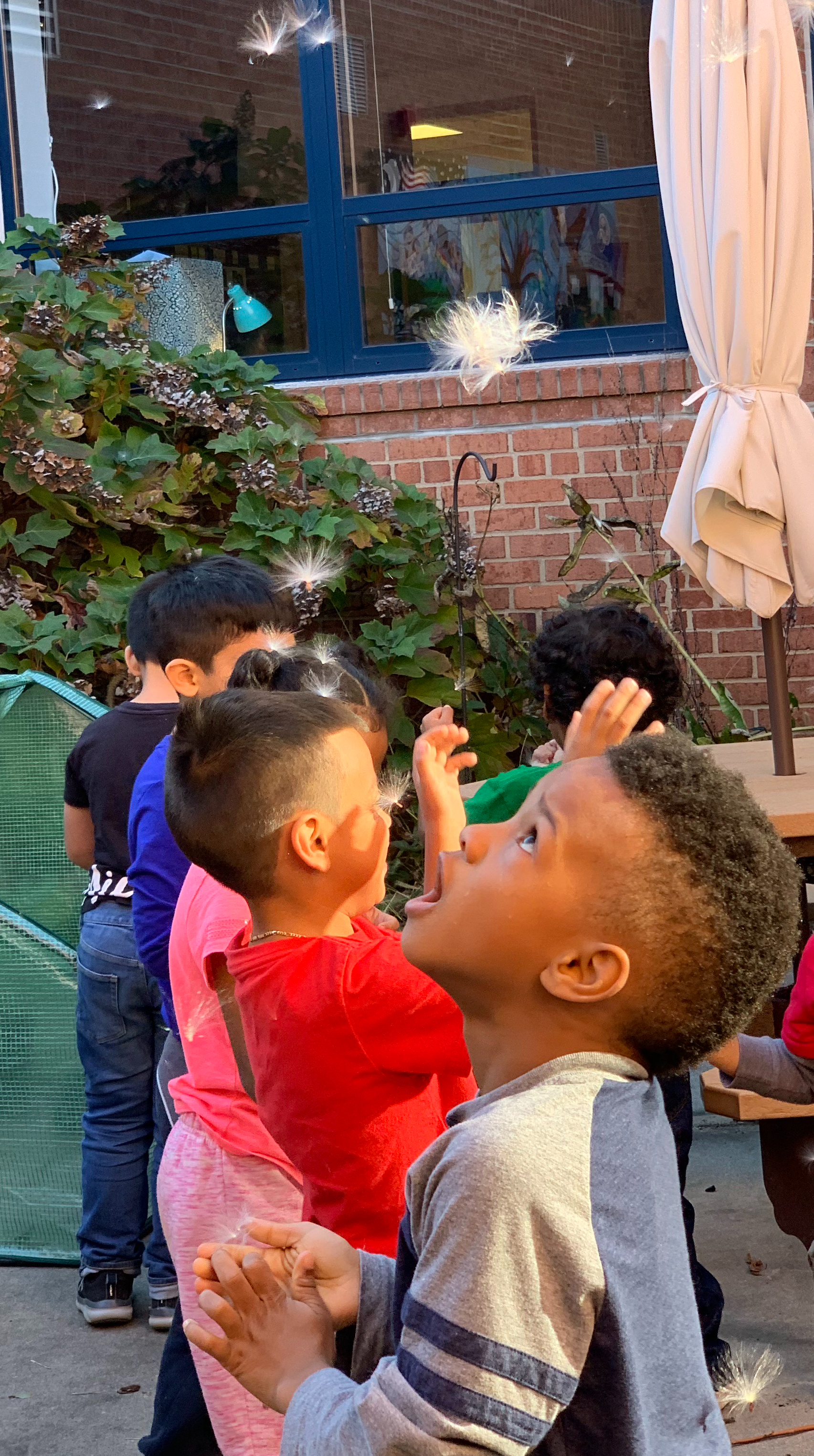
Our Environment

IMG_7080.jpg

“In order to act as an educator for the child, the environment has to be flexible: it must undergo frequent modification by the children and the teachers in order to remain up-to-date and responsive to their needs to be protagonists in constructing their knowledge.”

Lella Gandini (1998)


One of the “big kid” visitors who stops by our classroom every morning before school asked me, “why do you have so many cool things in your room?”. It was a question that has stuck with me. Why do I have so many “cool things” in our room?

IMG_7017.jpg

I’m a firm believer that the environment is the third teacher, responsive to both teachers and children creating learning together. We co-construct and negotiate the curriculum together. My classroom can’t look like a cookie cutter model, identical to the one across the hall or identical to the classroom from last year. It must grow and evolve based on who is living in the space right now. I believe that our classroom environment can help shape the identities of the children in that classroom and their relationships with each other. Our space gives power and agency to the children in our room.

IMG_6944.jpg

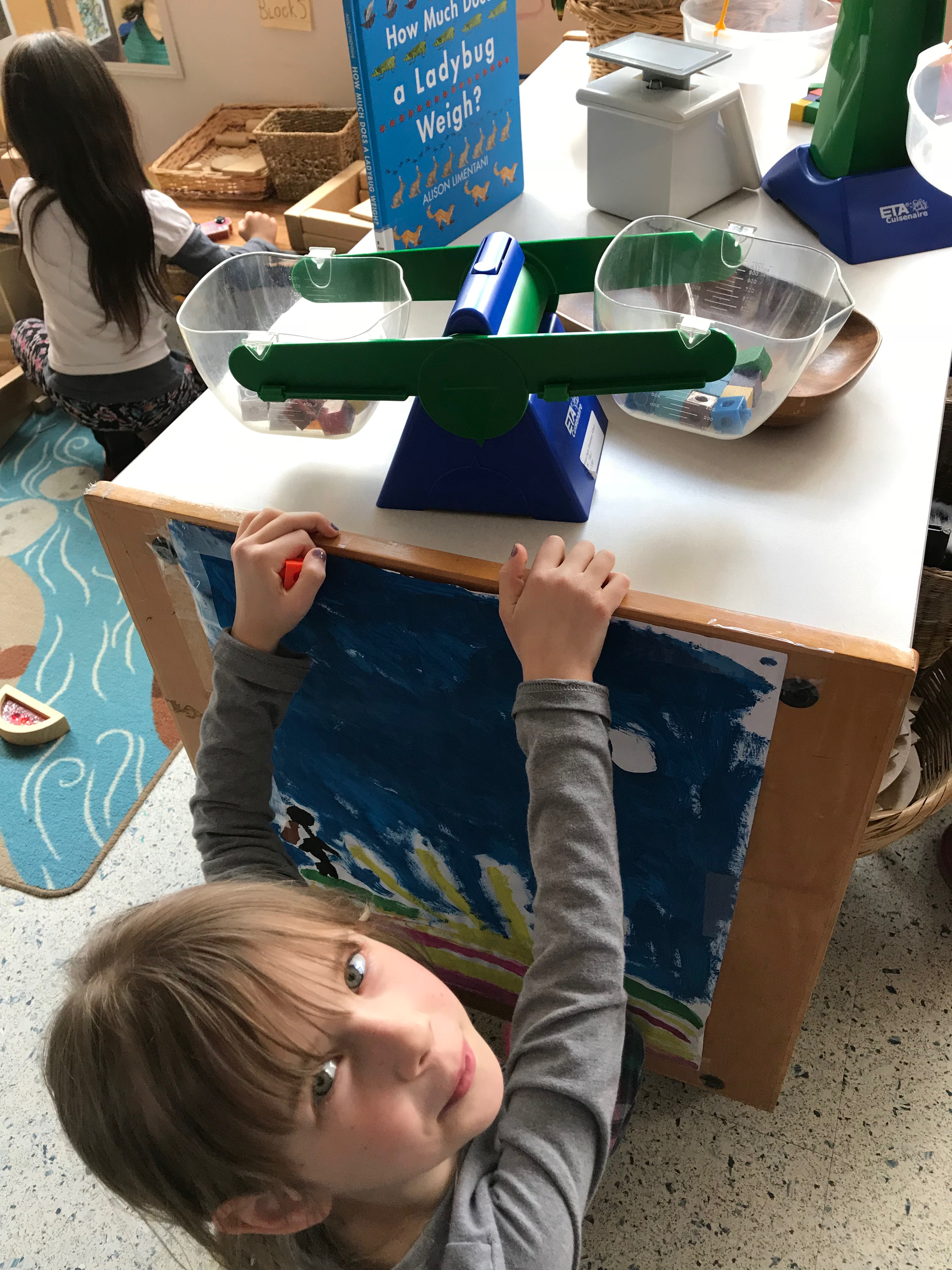
As I look carefully around the room, I see reflections of the children everywhere. The rainforest was created by them, planned, designed and brought to fruition by the kids who took on this challenge. The block area was redesigned by moving it into a bigger space to allow for more children to build – again, initiated by the children. The huge kidney shaped table is a large collaborative work space for art projects – not a reading table with the teacher at the center. The linear calendar reflects important dates for this class – important events, birthdays, field trips, learning experiences that keep track of our shared journey through this school year. One of our bookshelves became an engineering center to store the marble run, the legos, and other building tools because this year the kids are avid builders. Our storytelling kits reflect dances we’ve done (like our baby beetle dance) and books we have read, with tiny toys to retell the experiences we’ve had. There is a basket of Pokemon cards and Pokemon toys that kids have brought in. The kid’s book boxes are overflowing with books that have been chosen by the reader of each individual book box. The classroom library is arranged and labeled by these kids, in a way that works for them. The chandelier that hangs in the center of our room has pieces of art that each child created that is representative of who they are. The photos scattered throughout our room are of children and their families and shared experiences we want to remember. And because I am also a member of this community, my small teaching table has a few things that bring me joy and that I want to share with this community – a picture of me and Judy Blume, a unicorn tape dispenser, a peacock feather, a bowl of shiny rocks – but it is also a work space for children. The mandatory teacher desk I’m required to have in my room serves a great purpose as a stand up work space for provocations and displays that the children create. Currently, it houses materials to build Calder-inspired mobiles and sculptures.

IMG_7195.jpg

So why do I have so many “cool things” in our room? Because I have a lot of cool kids. The classroom a reflection of who they are – as individuals and as a community. They own it, and more importantly, they know they have a say in it. Their voices are heard and they are encouraged to contribute and create. They help negotiate what is in the classroom, what goes on our walls, what the space looks like and what is available to explore and create with. Their lives and interests are reflected in the space and it evolves as the children evolve. It’s a collaborative experience of many identities brought together in a year of learning.


Screenshot 2018-03-01 22.18.35

Day 10


Leprechauns and Jaguars

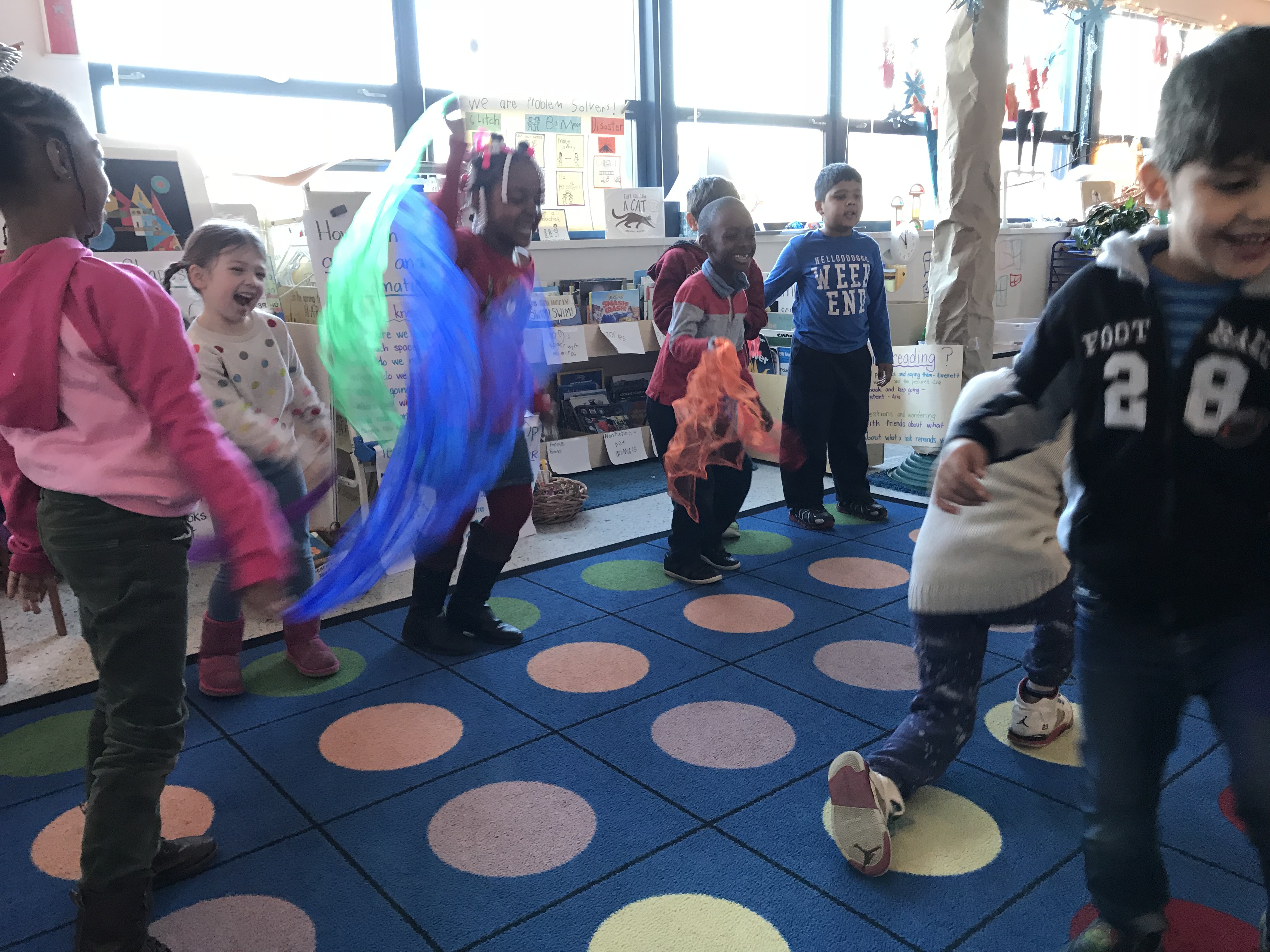
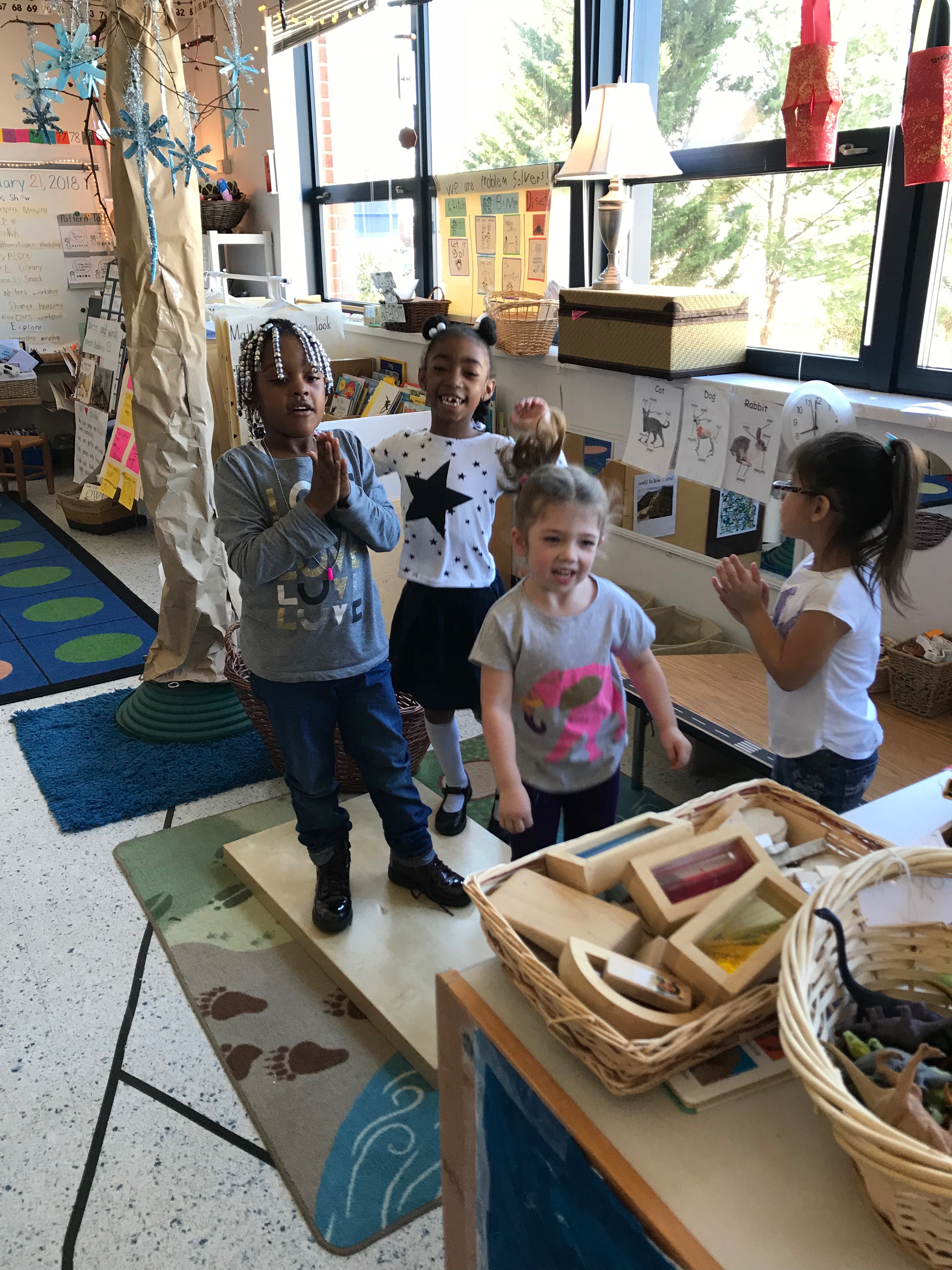
It’s Friday afternoon Explore time in my kindergarten classroom and we have a lot going on. The room is buzzing with the happy sounds of children learning, talking, playing, negotiating problems and enjoying each other. It’s how we begin and end every day.

IMG_7212.jpg

A group of kids are working intently on building a leprechaun trap. They are debating ways in which to catch the leprechaun without hurting him. Or “her”, as the conversation turns to deciding what gender leprechauns are, because, “leprechauns can be girls, too…it wouldn’t be fair if leprechauns were all boys, right? Fairies can be girls or boys and leprechauns are the same way.” They decide that having a whole lot of tape on the walls, floor and ceiling will make the leprechaun stick no matter where it runs around in the trap. They then contemplate what will happen if we do catch a leprechaun. Will we build it a house…or maybe it can just live in the fairy house? That one is still up for debate.

IMG_7210.jpg

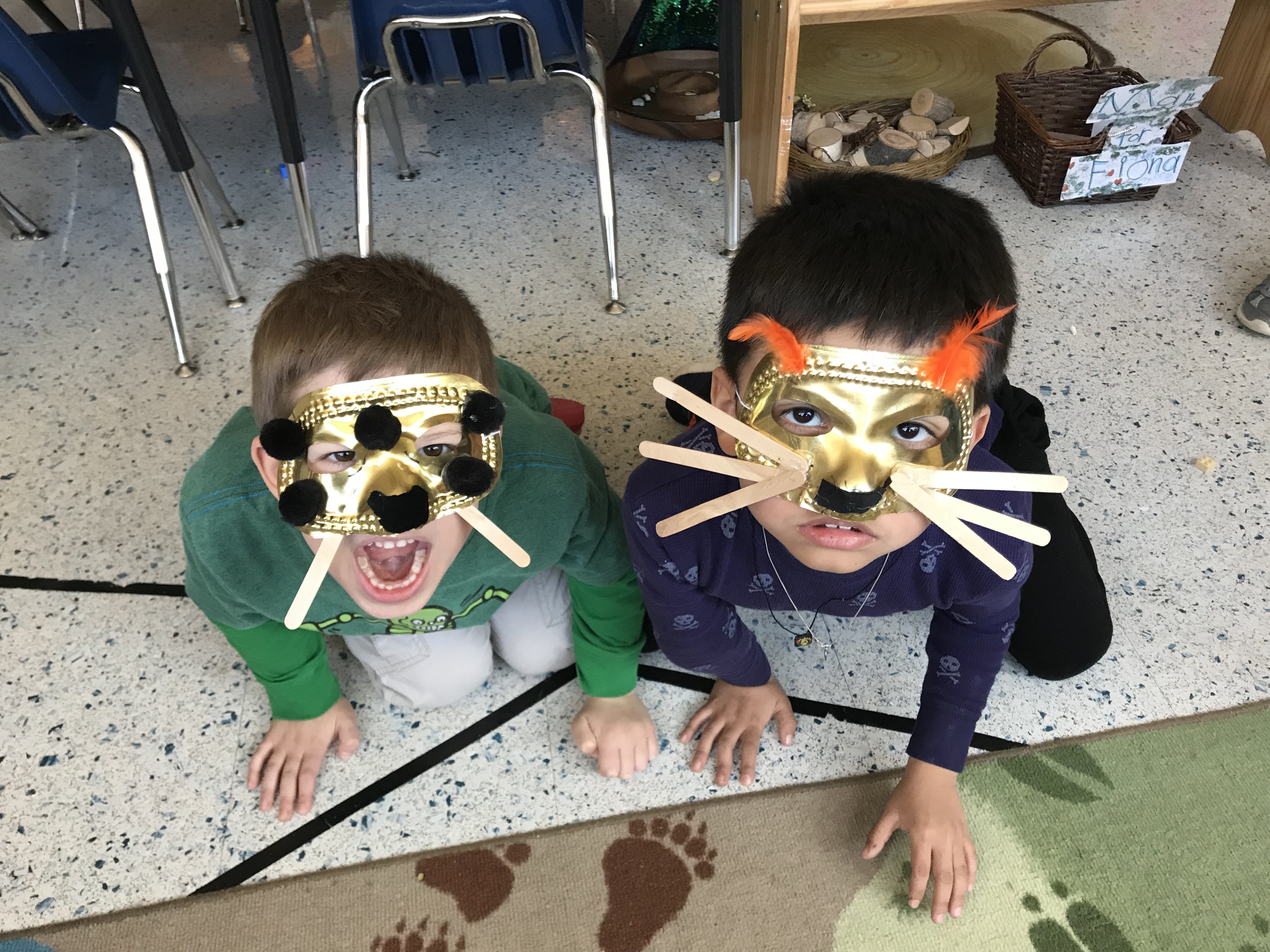
At the art table, two kids are carefully constructing masks to be jaguars in our rainforest dramatic play area. They are looking closely at a picture, talking about the teeth, counting the number of whiskers, picking out materials that will make the mask look and feel like a jaguar and making big plans for the jaguar play that will begin next week. (ummmm…that may be my SOL on Monday…yikes.)

IMG_7218.jpg

Meanwhile, a group of kids are building a structure with MagnaTiles and unifix cubes. The unifix cubes are Minecraft people who live in the structure made of squares, triangles and rectangles. The kids talk about what shapes they are using, how to make the structure stronger and deciding roles that each person will play as they go in and out of this structure. To be honest, I don’t really understand the Minecraft play, or the significance of 3 unifix cubes as a person, (and believe me, it HAS to be 3!) but the five kids deeply engaged in the play do. And that’s all that matters.

Finally, a few kids are making mobiles and sculptures inspired by Alexander Calder and our visit to the National Gallery. They are building their art and talking about what the shapes look like, what colors they are and how they could fit together. They are cooperating, collaborating and so very proud of their art.

IMG_7201.jpg

I stop and take it all in. Kidwatching. As I watch and listen, I am in awe, yet again, by the power of play. The thinking and creating that happens during our Explore time goes way beyond any standards or curriculum. It’s kid created, meaningful, authentic and deep.  I am grateful to be in a school where play is allowed, honored, encouraged and respected as a critical part of our early childhood classrooms. I wish all schools, and all children, had that gift.

Nothing without joy.

Screenshot 2018-03-01 22.18.35

Day 9


Through the Fairy Door

Our fantasy characters became our confidants. We would talk and listen to them and tell their stories at will. They did not mask reality; they helped us interpret and explain our feelings about reality.
—Vivian Gussin Paley, A Child’s Work: The Importance of Fantasy Play

IMG_5635

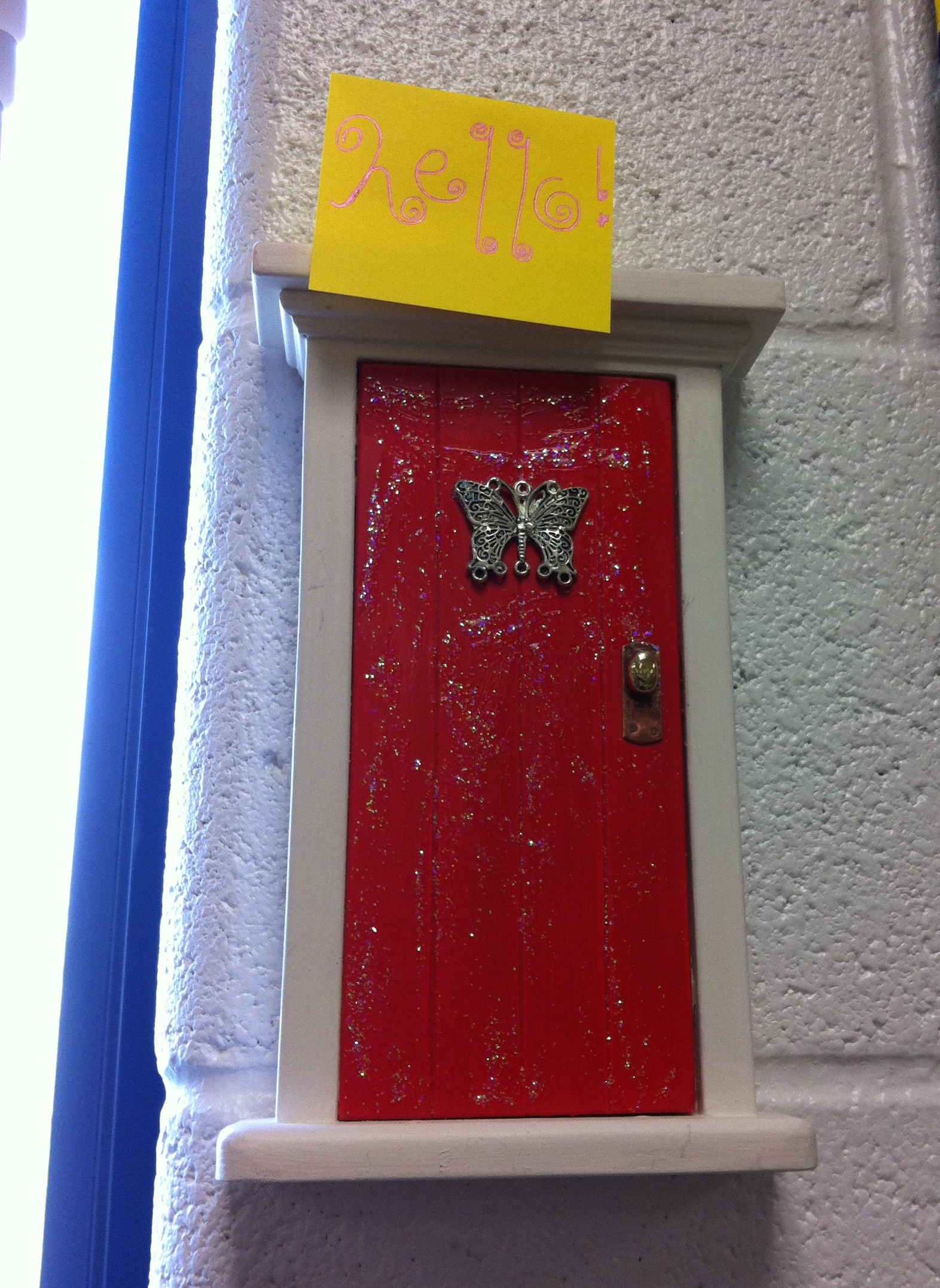
Fiona is our classroom fairy. She visits every so often, leaving us notes and surprises. Fiona made herself known one fall day when the kids in the class noticed our fairy door on the wall. The next day there was a letter waiting. The kids write her notes, leave her presents and celebrate the magic that is Fiona. Every single kid buys in to the fantasy play that our fairy brings. She begins her visits each year once the kids notice the fairy door, and classes talk about her from years past. I love it.

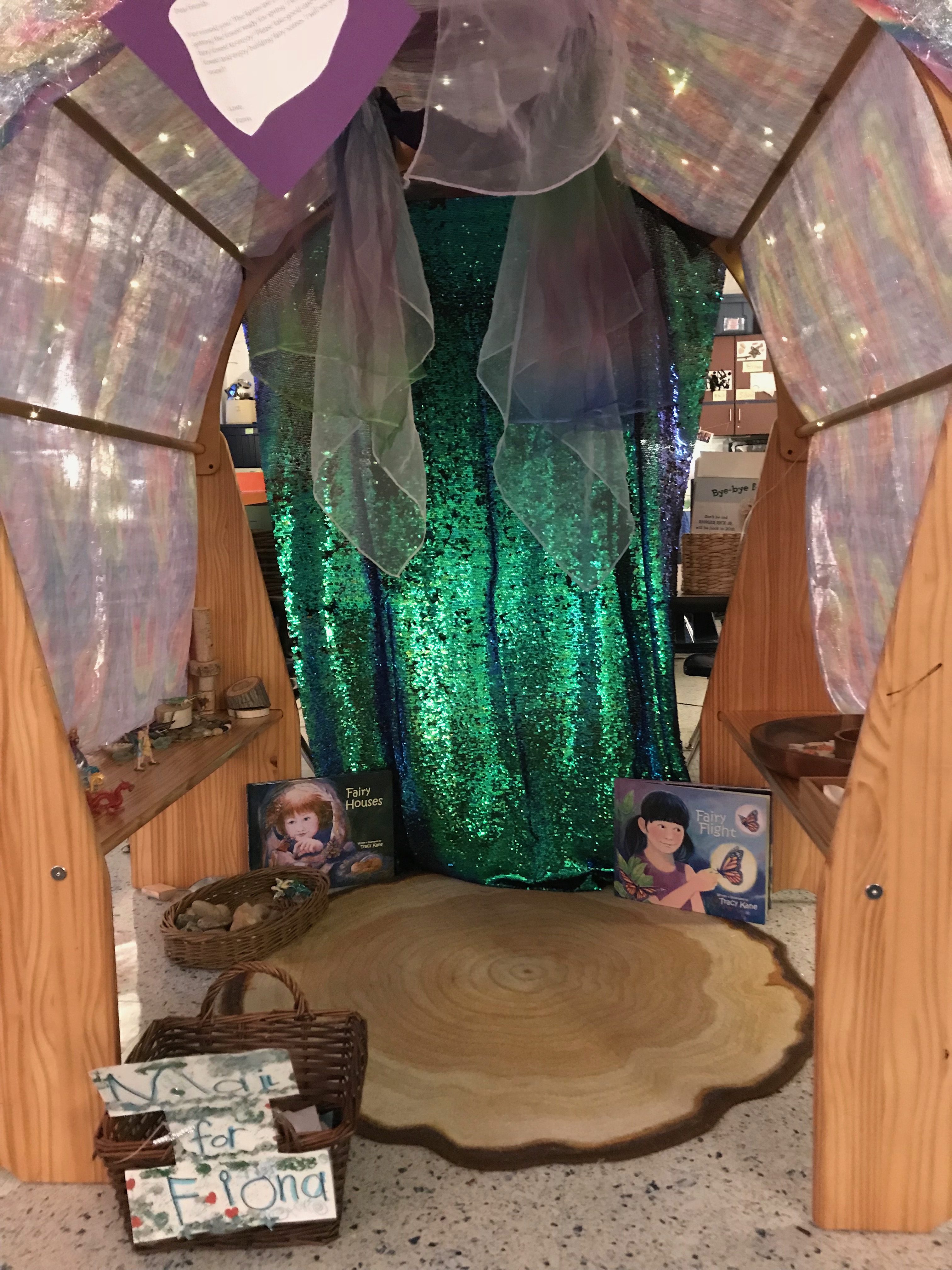
Today when the kids arrived, Fiona had made our play stand into a magical fairy garden. There was an invitation to play with the fairy stones, the glitter, the natural objects and the books and writing paper that Fiona left us. It’s another space in our classroom where kids can go and play and imagine that Fiona is real. She becomes their confidant, their friend, their imaginary player in our kindergarten classroom. She provides another path to creating narratives, solving problems, inventing situations and seeking meaning in a five year old’s world. The play is filled with talk and imagination, literacy, wonder and joy. It’s truly as magical as Fiona.

“Let me end with what for me may be the most important aspect of play we learn from the children: it is in play where we learn best to be kind to others. In play we learn to recognize another person’s pain, for we can identify with all the feelings and issues presented by our make-believe characters.”

– Vivian Gussin Paley, from The Importance of Fantasy, Fairness, and Friendship in Children’s Play – An Interview with Vivian Gussin Paley

IMG_6810.jpg

Screenshot 2018-03-01 22.18.35

Day 5

Our Day – Their Way

“We must credit the child with enormous potential and the children must feel that trust. The teacher must give up all his preconceived notions and accept the child as a co-constructor.”

-Loris Malaguzzi

img_5881.jpg

Our daily schedule – on this day

A few months ago, I was thinking about our day. Kids had been complaining that we didn’t have enough time for Writers Workshop when it was scheduled right after lunch, and I wanted to ask the kids what their thoughts were. I had always set our daily schedule. I started to question this, and began to wonder why I had to decide what the schedule would be. Why can’t the kids have a say in this? I initiated a conversation during morning meeting about our daily schedule. They agreed that the time allotted for Writers Workshop was a problem. They wanted more time to write, and they also wanted more Explore (our free play time), so we decided that we should try to fix this.

We started by establishing the “non-negotiables” – things in our day that we didn’t have control over, like lunch, recess and our specials. Those went up on the white board first. Then we took all the cards we had written out at the beginning of the year and looked at them on the rug. The kids talked about how they wanted the day to go and we created the daily schedule together. It was fabulous. They created the schedule to work for them. And they even carved out more time for Explore.

img_5203.jpg

We have time every day for Explore – time to paint and create, as a choice

Now, as part of our daily morning meeting, we go over our daily schedule and talk about how we want our day to look. Most days stay similar to how the kids changed it a few months ago, but sometimes a child will suggest having Mathematicians Workshop at the end of the day, or switching Readers Workshop to the morning, or something else they want to try out. I let the kids decide how their day will look. It’s our day – and the kids should have a say.

IMG_4585.jpg

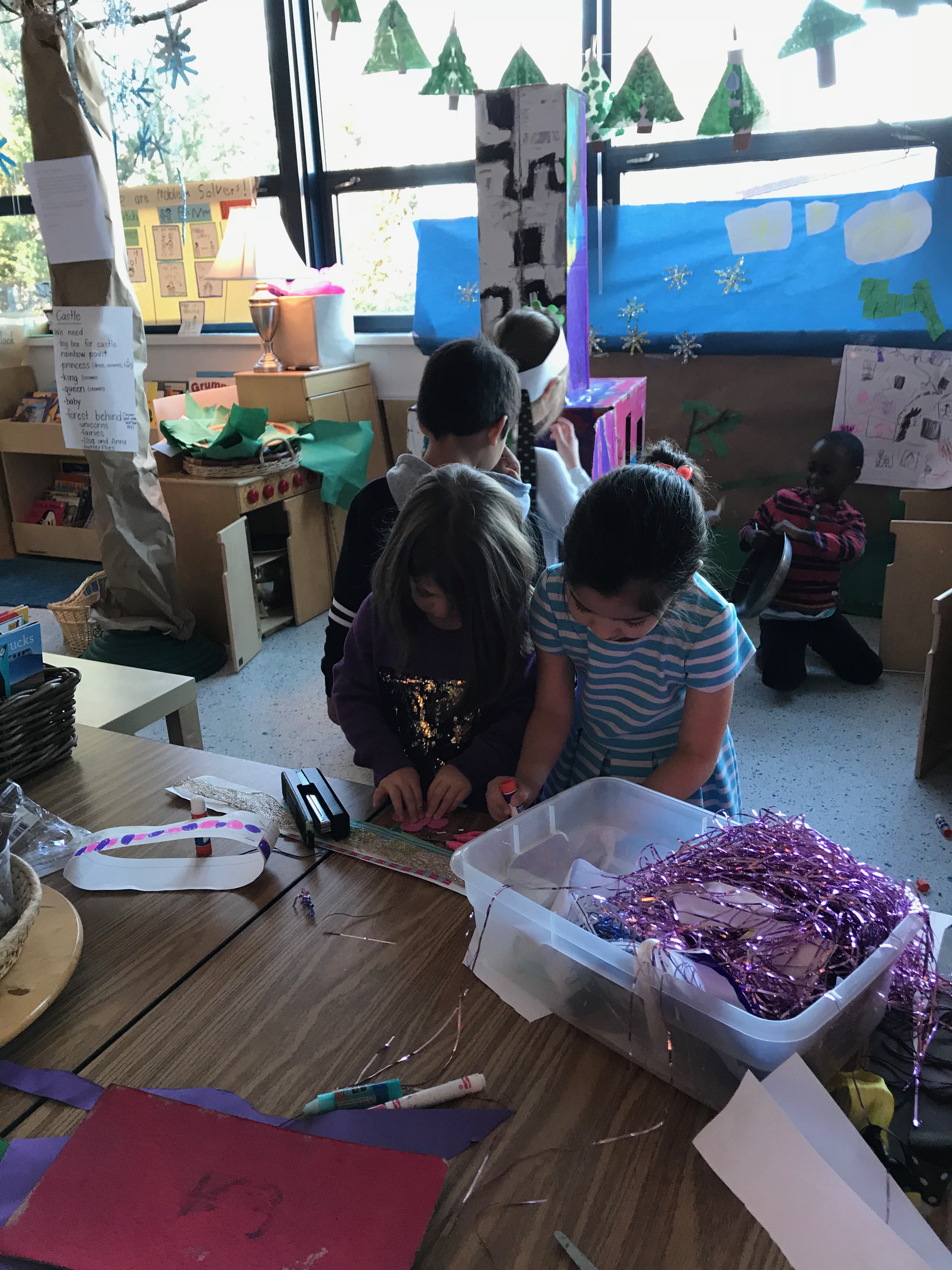
Making the castle for Imagination Station

Screenshot 2018-03-01 22.18.35

Day 3

Moving Furniture, Solving Problems

IMG_6559.jpg

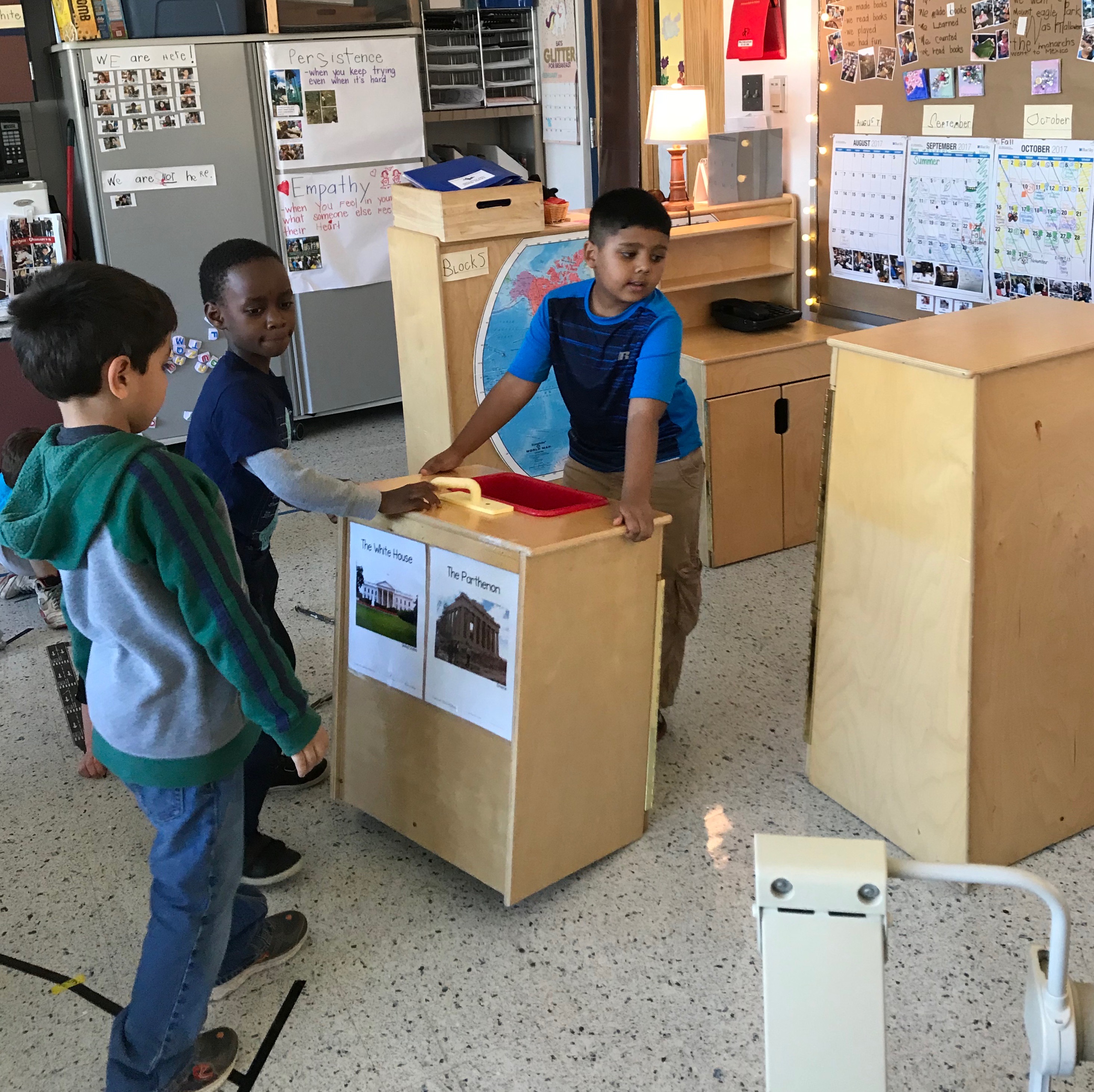
Moving the dramatic play furniture across the room to the old block area.

It started with a question.

“Can 5 people go to blocks?”

I typically turn questions like these back onto the kids, asking them if they think that will work. That day, I just said, “no, there’s not enough room”. Our block area was fairly small, and while 4 kids could squeeze in, there were often issues with not enough space.

“Well, then we need to fix that! Let’s change it so there is enough room!” said one girl.

“Yes! Let’s move the furniture. We need to make it bigger!” came the cries from, now, very excited kindergarteners.

In that moment I had to make a choice – to continue with the planned math lesson or to follow the kids and rearrange our classroom, making a bigger block area. I paused, took a breath and remembered what I believe. I believe that kids are capable. I believe they can solve problems and be persistent when faced with challenges. I believe they can, and should, challenge the way things are and question respectfully. I believe they are “can-do” kids.

So, we made a plan. We talked about what they wanted in the block area, what might work, how we could rearrange, and what we needed to make our classroom work for us. And then, we did the plan.

The kids decided to switch the Imagination Station with the current block area, allowing for more space in blocks and building, and a bit less in dramatic play, which was a huge area currently set up as a vet clinic. This class LOVES to build. It totally made sense that we have a huge space for building and making stuff. We began moving furniture, sweeping up the real life dust bunnies – while laughing at the connection to Jan Thomas’ Rhyming Dust Bunnies book, learning how to use the big dustpan, measuring the space and deciding what would fit where, and rearranging our space to work for the kids living and playing in that space every day. It was magical. I pretty much stood back and watched this take place, in awe of these kiddos.

Real life problems and real life problem solvers.

Capable kindergarteners recognizing a problem, making a plan, and solving the problem.

They can do it.

If we let them.

IMG_6558.jpg

Loving our new HUGE block and building area!

Screenshot 2018-03-01 22.18.35

Day 1


Should we teach kindergarteners to read?

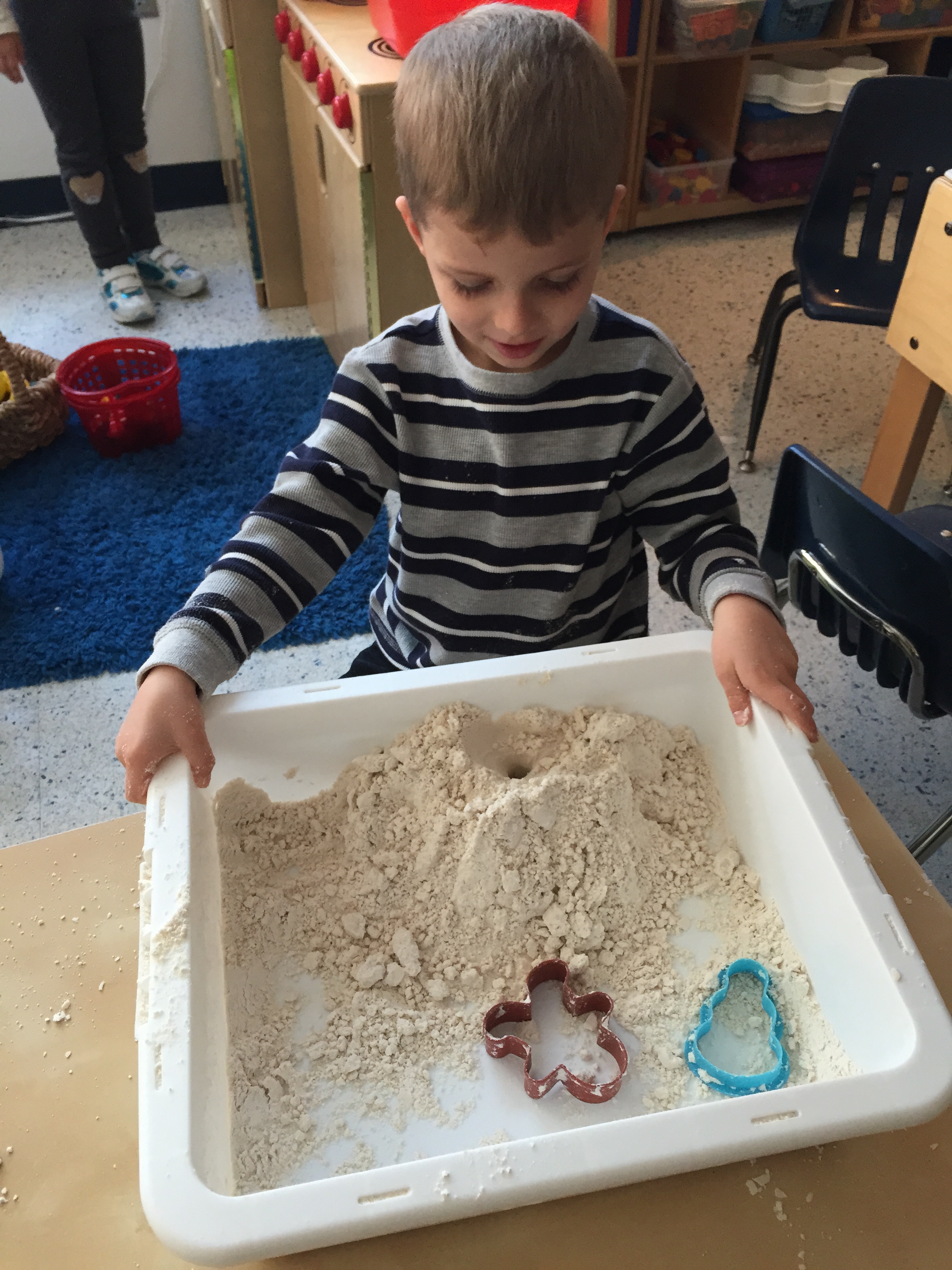
Playing with cloud dough

Making a volcano with cloud dough

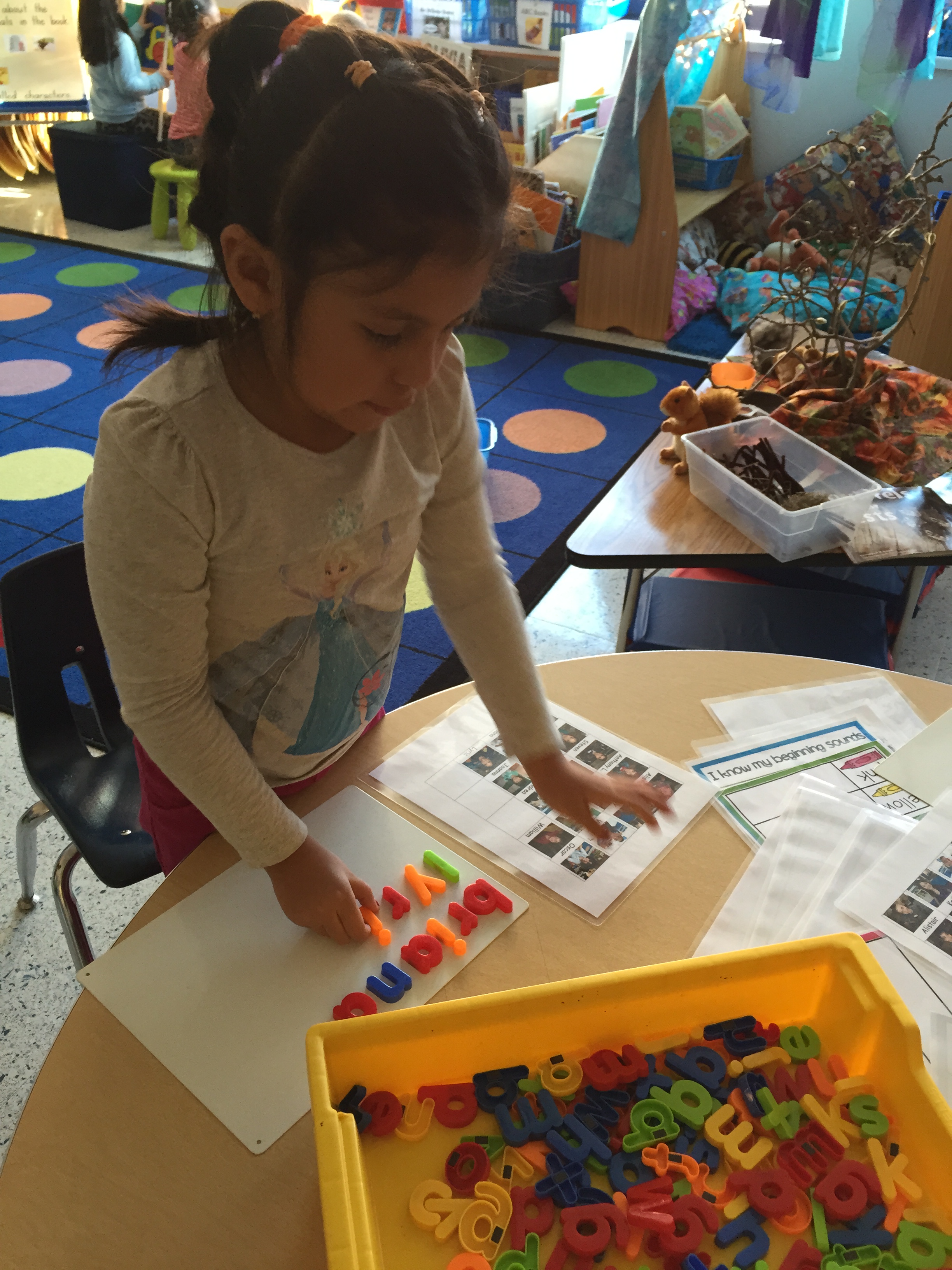
Making friend's names with magnetic letters

Making friend’s names with magnetic letters

This week I read an article citing a report saying that forcing kids to read before they are ready could be harmful. The report specifically references Common Core Standards in Kindergarten and says “there is no evidence to support a widespread belief in the United States that children must read in prekindergarten or kindergarten to become strong readers and achieve academic success”. While it was surprising to me to hear that there is “no evidence”, it was not surprising to read the other findings the authors reported. I hear over and over about blocks and dramatic play stations taken out of classrooms, recess taken away, and endless inappropriate assessments being given (an “online, practice quiz for kindergarten” should never, ever happen). Our children deserve better.

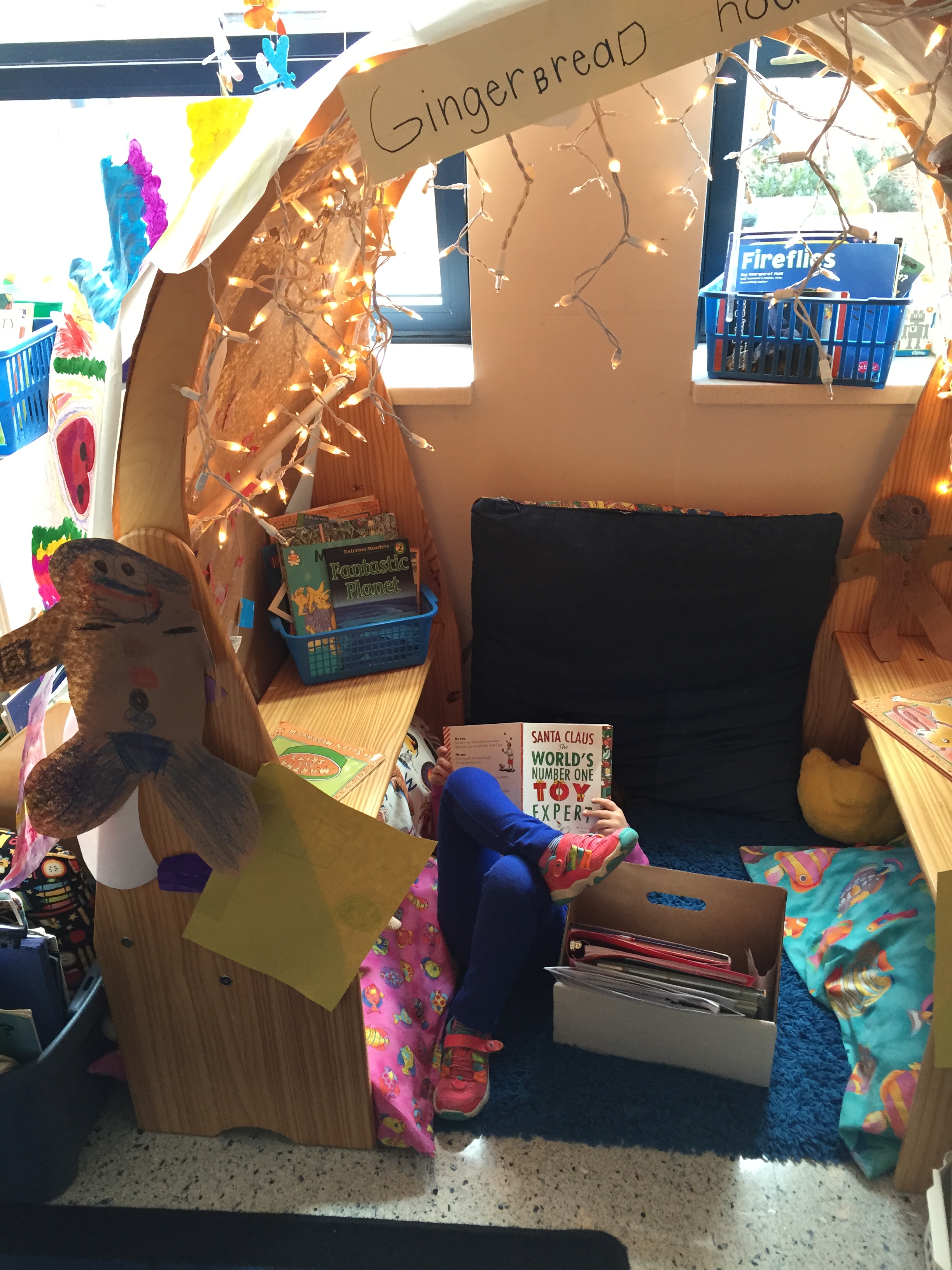
Reading in the Gingerbread House

Reading in the Gingerbread House

I agree completely with what the authors of the study share in the report. Children need to play – it is how they learn (and research does support this).  But I also think it’s important that we give our kids every chance to get that important school literacy piece as soon as possible – with developmentally appropriate practices. It is tragic that, as the article states, “teacher-led direct instruction in kindergarten has almost entirely replaced the active, play-based experiential learning that we know children need”. I don’t think that we should force children to read, but I do think we can immerse children in rich literacy experiences early on and ignite an interest in learning to read and write. We don’t need to have hours of drill and kill and teacher-led direct instruction. We don’t need worksheets and mindless one-size-fits-all instruction. We don’t need hours of assessments. We don’t need to make kindergarten (or first, second..or any grade, for that matter) full of these things.

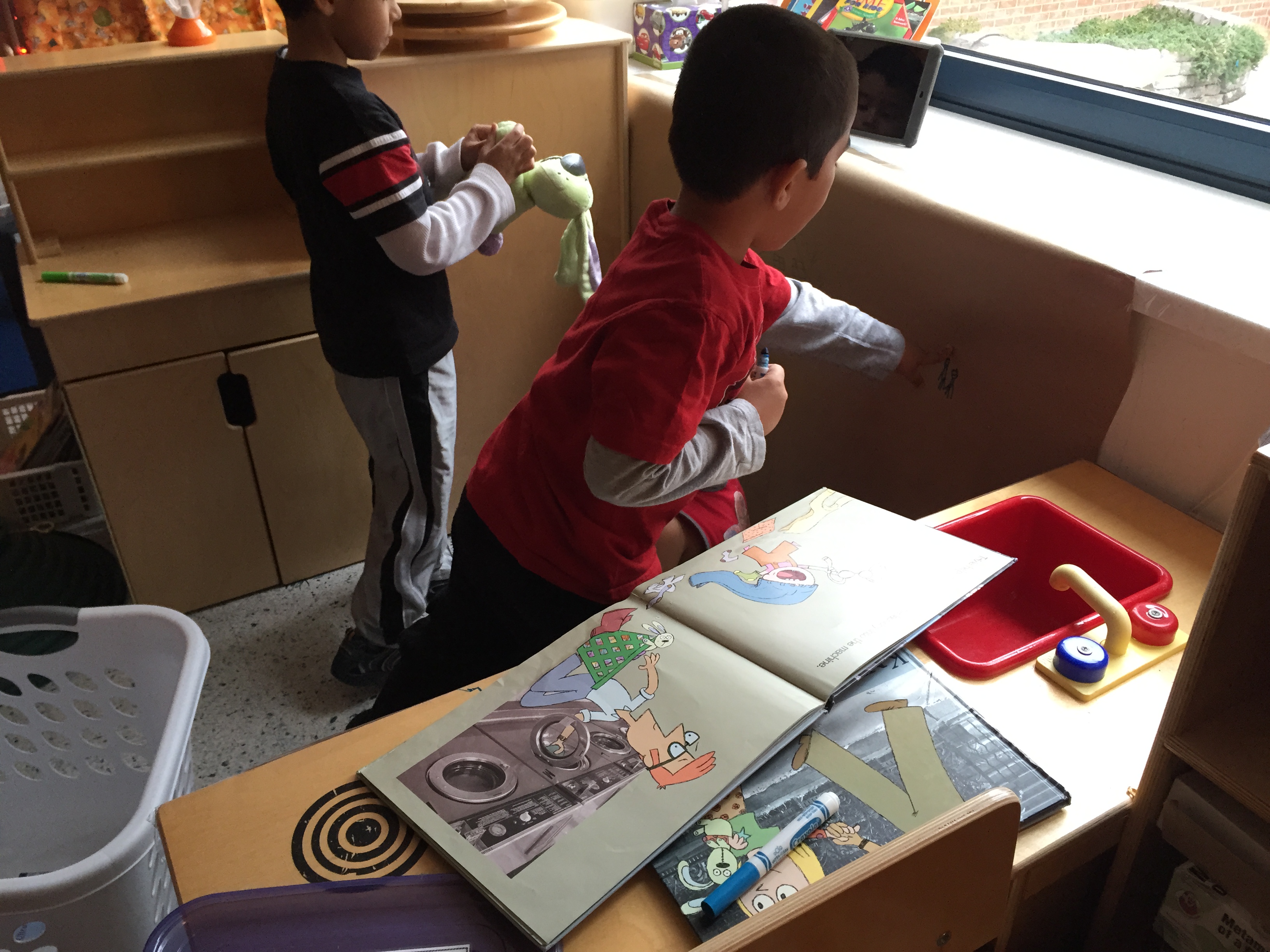
Acting out Knuffle Bunny in the "laundromat"

Acting out Knuffle Bunny in the “laundromat”

My classroom is a play-based kindergarten classroom, with a great deal of authentic and meaningful literacy experiences offered each day. We read aloud, we have choices throughout the day in curriculum, content and activities, we have a daily Writer’s Workshop, we play, we learn letters, sounds and links, we have 2 recesses each day, we have snack, we read pictures and words in books, we build things with blocks, we learn how to read,  we dress up in the drama center, we play in the kitchen/spaceship/laundromat, we put on puppet shows, we learn how to form our letters, we discover things in sensory boxes, we have guided reading groups, we explore things we are interested in, we read charts and poems, we wonder, question and grow and we do it all in an active, playful, meaningful and developmentally appropriate way. And at the end of the year, some of my kindergarteners are reading at the county-wide benchmark. And some aren’t. But they can all tell you a favorite author and what kind of books they like. They can all read books they’ve written and tell you what author/illustrator they see as a mentor.  They all see themselves as readers and writers. That is ultimately my goal.

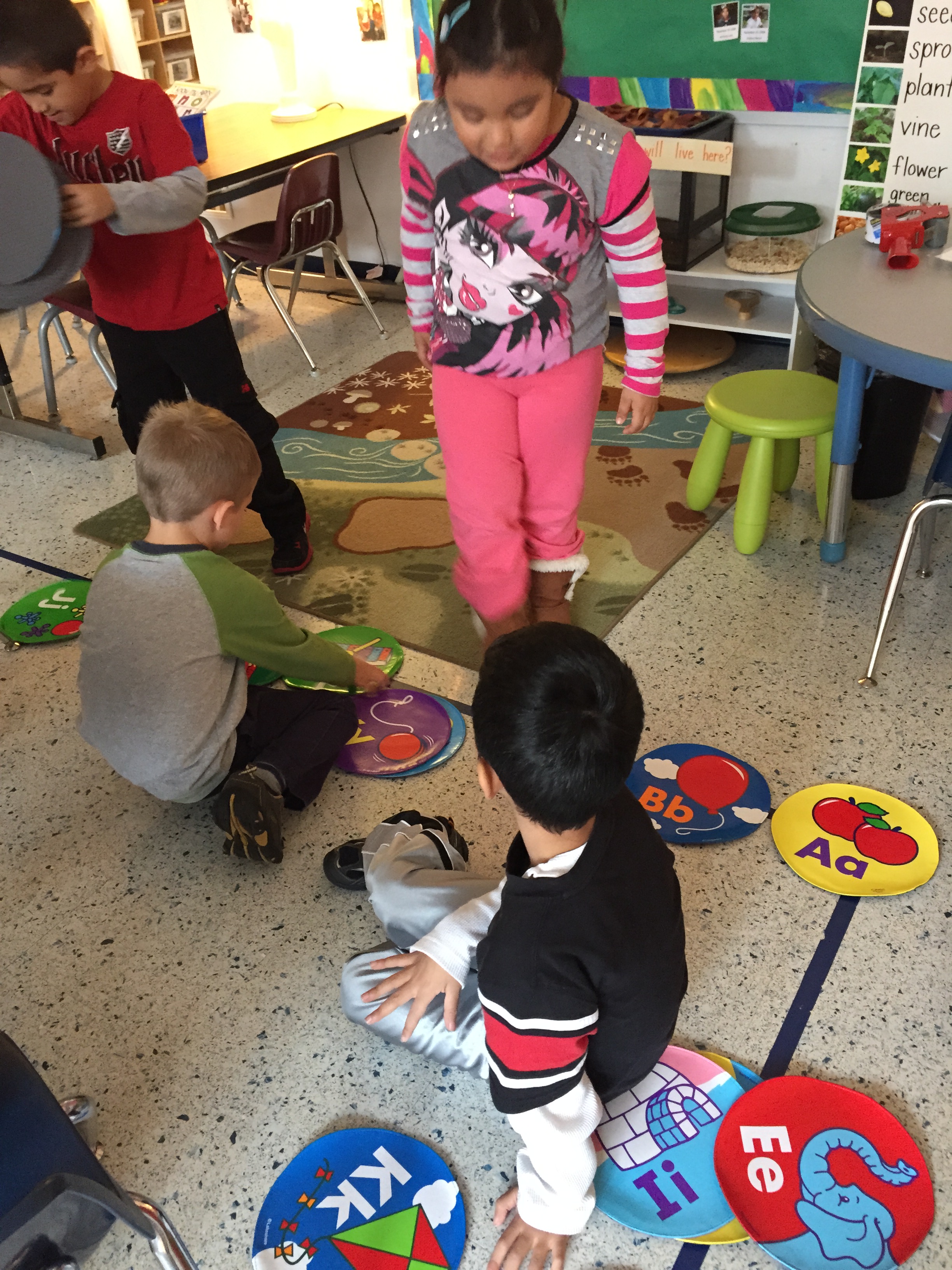
Negotiating the order of the alphabet letters with friends

Negotiating the order of the alphabet letters with friends

I’m reminded of the phrase from medicine, “first, do no harm”. This needs to hold true in education. The last thing any of us want is a child refusing to go to school, locking himself in his bedroom, and hiding under his bed. We want children excited about learning, passionate about topics they are discovering at school, talking about favorite authors and illustrators, questioning, wondering and eager to learn, empowered because they know they have a voice in their learning. We don’t want to harm our children. If we are being asked to do things that we know are not developmentally appropriate and that may harm some children, then we need to speak up. It’s worth fighting for the blocks, the recess and the dramatic play. It’s worth fighting for our children. Thank you to the authors of the Defending the Early Years project study for giving us another tool to fight with.