We All Have Stories to Tell

I recently read an excellent blog post from Cathy Mere in which she said,  “In a teaching world filled with data, I think the best thing about the first days of school is getting to know kids not by numbers, but by living beside them.” How true and wise these words are. They have echoed in my mind since I read the post. Living beside our students, establishing trust and relationships and getting to know who they really are as people is the foundation of a good year.

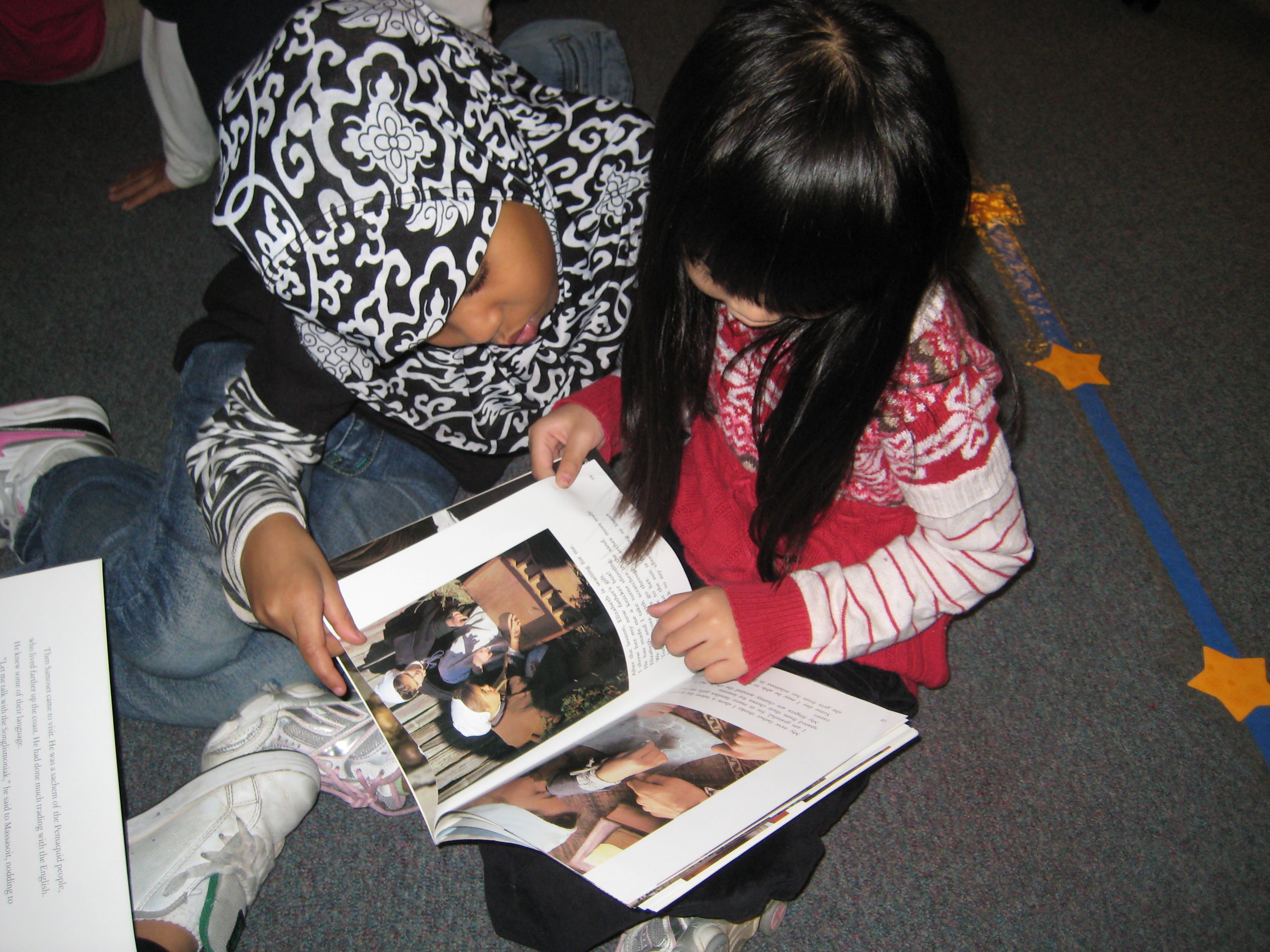
The first three days in my new kindergarten class have been full of getting to know my students and beginning to establish a strong community for us to live and learn in all year. For many of my kids, this is their first experience of school. It’s so important for me to make our learning community one where we know each other well, and care about each other. One of the routines I established on day one was an oral storytelling time. It quickly became my favorite time of the day. It’s all about getting to know each other and sharing ourselves in this new community together.

I started our first storytelling time by reading No, David! and sharing the author’s notes by David Shannon on why he wrote that book. Then I said, “you know – everyone has stories to tell, just like David Shannon did. I have stories and I’ll bet you have stories too!” Then I shared a story about my dog Cayo and how she barks at the mailman every day. The kids were spellbound, listening to me weave a story out of an everyday occurrence. I then asked if any of them had a story to tell. All hands went up. These kindergarteners, many of them English language learners, on the first day of school, sat still and were engaged for over 20 minutes while story after story was told by their classmates. It was magical. I realized then that this was a necessary part of every day. We were getting to know each other by sharing what was important to us and by sharing the stories of our lives. What a great way to connect with each other, realize similarities and begin to build a strong community.

As my year continues, I plan to keep our storytelling time as an important part of our day. While I will eventually get to know my kids by numbers, I want to keep living beside them every day, listening to the stories they tell and getting to know them as people.

Math & Literacy

Pat and I have the pleasure of kicking off a blog tour on October 3rd for a new math book from Stenhouse Publishers – Math Exchanges by Kassia Omohundro Wedekind. You may be wondering why we are reviewing a book on math here at Catching Readers. Well, Math Exchanges stands on the shoulders of great literacy thinkers such as Regie Routman, Lucy Calkins and Debbie Miller as the author shows us how conversation through the workshop approach in math is as powerful for teaching and learning with young mathematicians as it is for young readers and writers.  If you are anxious to start implementing powerful small group instruction through a Math Workshop, Math Exchanges is now available and can be previewed on the Stenhouse website. Kassia also has a blog where you can read more of her great math thinking.  Check back on October 3rd as we launch the blog tour!


Spaces to Live and Learn

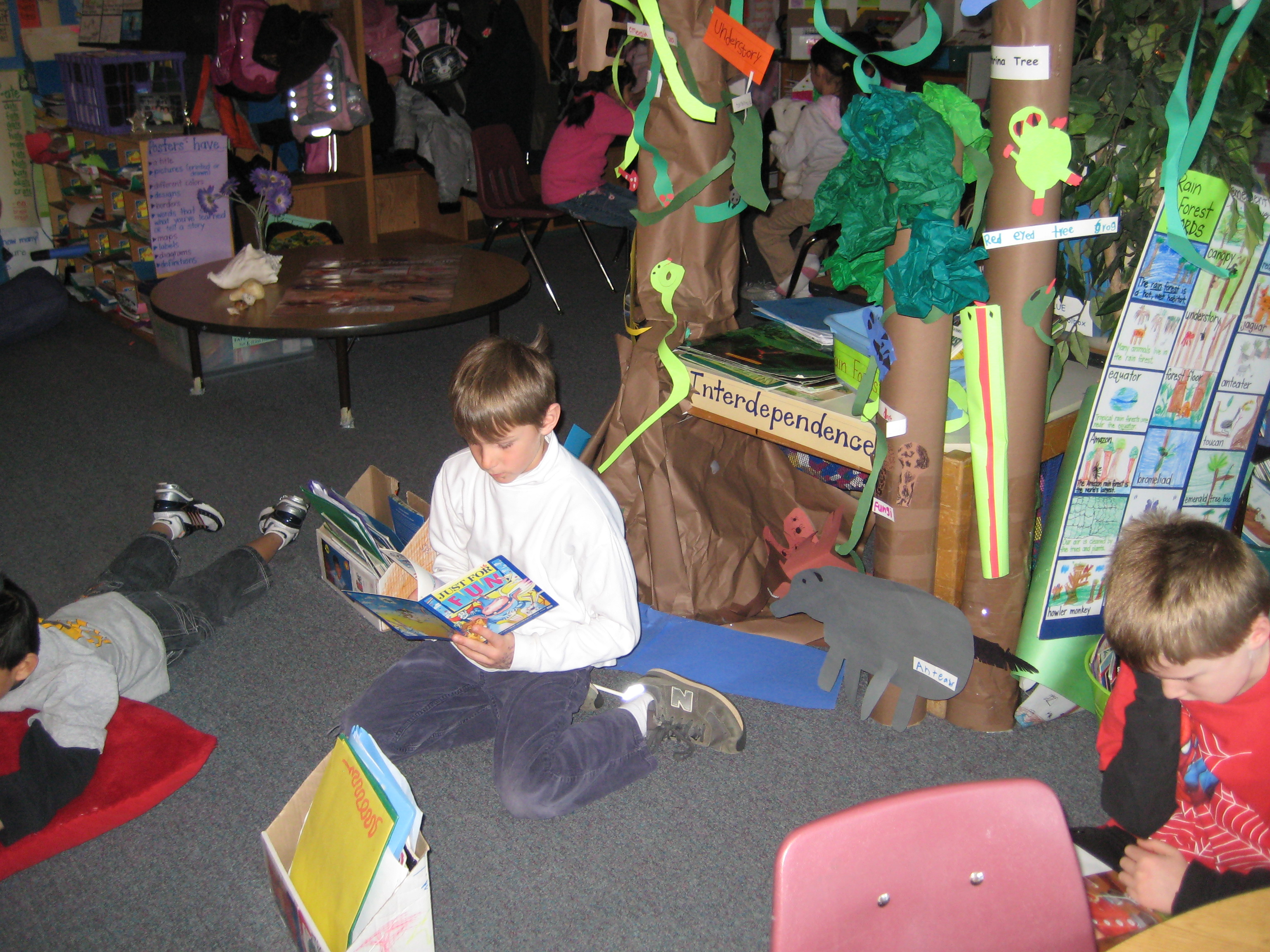
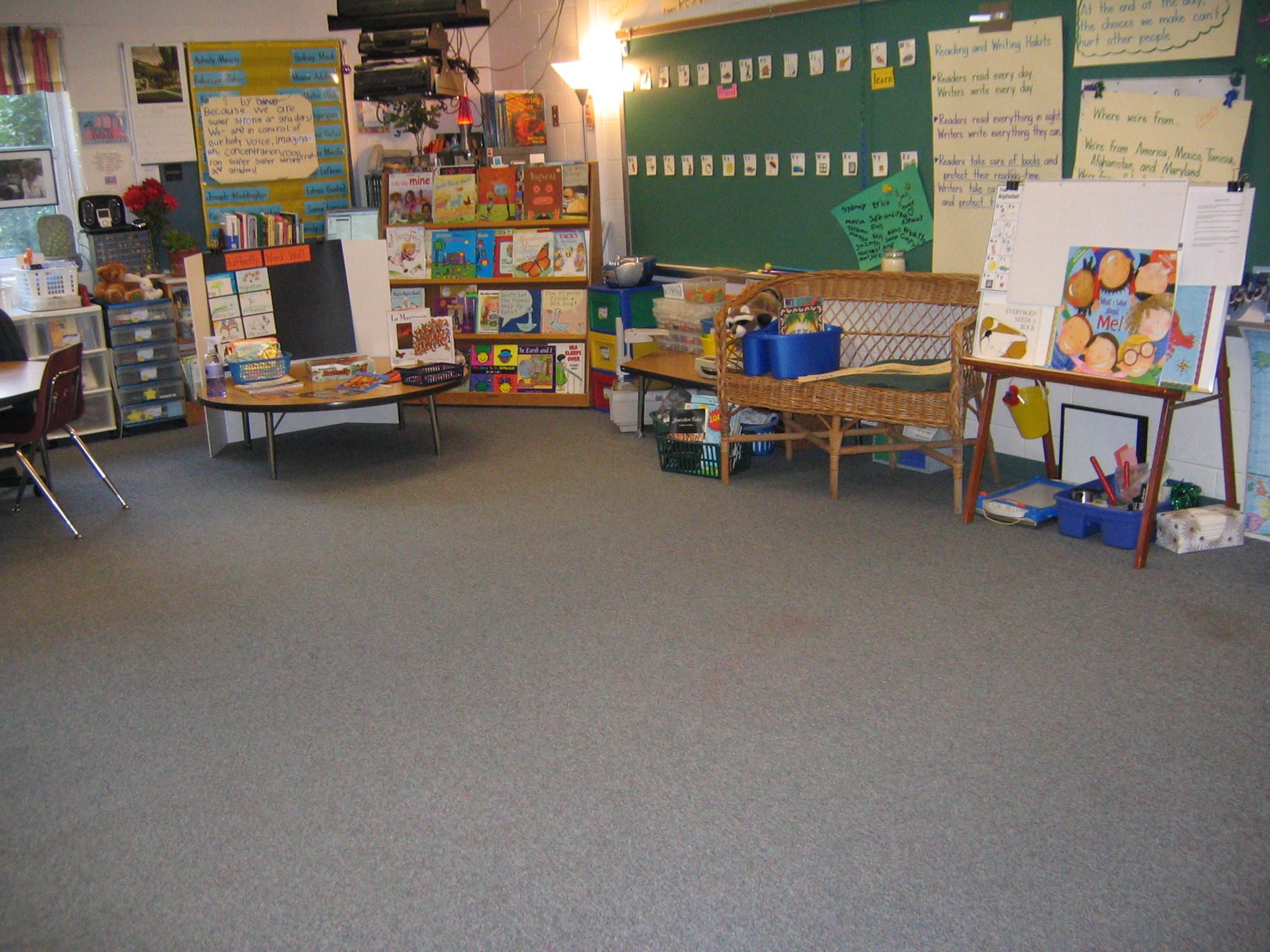
It’s that time of year again. The time where visions of my classroom dance in my head and trips to Ikea, yard sales and Target become very frequent. I am constantly on the lookout for things I need for my room. Just today I scored two blue and green lamps that a neighbor was taking to the Salvation Army! I have no shame in asking if I can have things – people love giving stuff to teachers.  I find myself thinking of how I want our classroom space to look and envisioning happy children living and learning in a beautiful classroom.

Last year I took a year off from being a classroom teacher and was a literacy specialist. I enjoyed it, but I missed having my own classroom so much. One piece I missed a lot was creating a community and a space that is truly a home away from home. I cannot wait to begin setting up a classroom for our incoming kindergartners! The other day I was looking through pictures from many years past and jotting down ideas that I wanted to use or adapt for my new room. It was a lot of fun taking that trip down memory lane, remembering some great ideas and shaking my head at some of the “what was I thinking” ideas (recalling the year I took an entire day to carefully hang an actual parachute above my reading area…). I find that I am now so much more aware of the purpose for everything in my space. Yes, it must be beautiful, but it also needs to be purposeful. I have been inspired by the great thinking in Waldorf, Montessori and Reggio approaches and strive to make sure that our environment is truly the third teacher and is full of wonder and natural objects. I’ve moved away from bright primary colors and have chosen to focus on 2 calm colors (blue and green) as much as I can – one of the many ideas Debbie Diller recommends in her book, Spaces and Places. I’m also going to try to live by Debbie’s advice and assertion that you can set up your classroom in ONE day. Now that may be a true challenge, but I do know that I’m not going to spend one whole day hanging something from the ceiling!

I am a very visual person, and love looking at photos of classrooms. Chapter Five in Catching Readers has some ideas for setting up your classroom, as do these posts from last year (Designing Your Classroom Space, and Reflecting on Your Classroom Space). There are so many creative, inspiring teachers who create beautiful spaces to live and learn in. Pinterest has been an exciting new find with tons of great pictures from teachers. The folks at #kinderchat have graciously shared their spaces with us on Twitter. I decided to compile a bunch of my photos from years past and set up a Flickr account. I’ll continue to add photos of classrooms, charts, organizational ideas, etc. as the year goes on. I get to start setting up my room Friday – so look for pictures next week of my space this year! And if you’ve got a photo to share, please feel free to email me and I’ll be happy to feature it on the Flickr site. I look forward to seeing the wondrous spaces that our children will have to learn, create, grow and discover in.

How is your classroom set up this year? What are some great ideas that you would like to share?

Click here to view my Pinterest classroom space site

August 10 for 10: 10 of our Favorite Picture Books!

Cathy Mere at Reflect and Refine and Mandy Robek at Enjoy and Embrace Learning invited us to join in this 2nd annual fun picture book event. We happily accepted the challenge to join our Twitter friends and choose just 10 of our favorite picture books and highlight them here. Enjoy reading our choices and then be sure to head over to their blogs here to read about all the other great picture book recommendations.

Pat decided to pick “oldies but goodies” – a selection of tried and true read alouds for elementary classrooms. Enjoy!

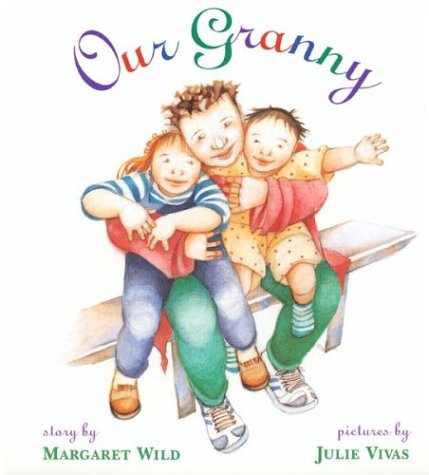
Our Granny, by Margaret Wild

In a celebration of grandmothers, Wild lists all the things grannies can be, all the places they can live, all the hobbies they can have, and so on.  This book speaks to the diversity of the modern day granny.  The illustrations by Vivas are fabulous and even comical at times!

Guess Who My Favorite Person Is, by Byrd Baylor (out of print – check your library)

Just like all of Baylor’s other books, the beauty of nature and being outdoors plays a big role. This time a little girl and a young man describe their favorite color or sound, favorite thing to touch or place to live, favorite smell or moving thing as they play a game lying in the grassy meadow.  Try using this as a mentor text when talking about descriptive writing with students or just enjoy the beautiful language of the poetic free verse.

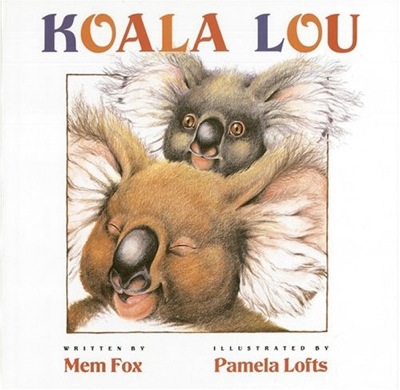
Koala Lou, by Mem Fox

I know it’s been around for a long time, but I still feel compelled to mention it because I love this book so much.  The theme of a mother’s love is so beautifully intertwined with Koala Lou’s undying determination and endurance.  I’ve never met a child or adult that couldn’t relate to this story.  Don’t miss hearing Mem read it aloud on her website.  Her voice will stay with you every time you read it.

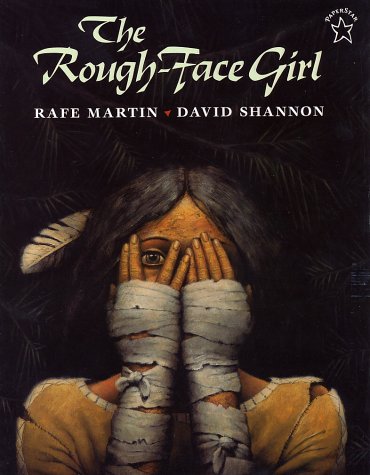
Rough-Face Girl, by Rafe Martin

There are so many wonderful variations of well-known folktales, but this version of a Cinderella tale is one of my favorites. I love changing my voice to match the two haughty older sisters, or the timid Rough-Face Girl, and the sister of the Invisible Being who demands answers from each one of them who wants to marry her brother.  I’ve had many great discussions with 4th and 5th grade students about ‘what is truth, beauty, and true love?’

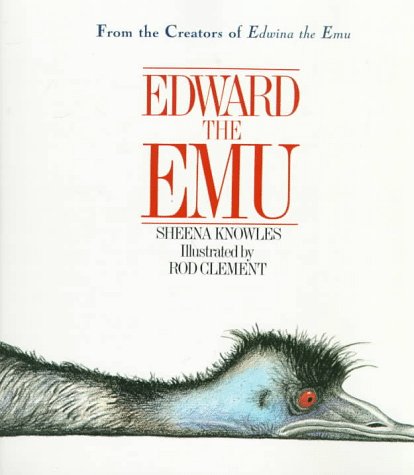
Edward the Emu, by Sheena Knowles

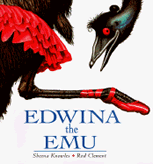
I practically have this one memorized, I’ve read it aloud so many times.  It’s a commonly told story of one animal wishing he were something other than what he is, but realizing his value by the end.  I like the rhyme and rhythm to the language.  The illustrations are incredible.  And the ending adds a little twist… leading right into the follow-up book, Edwina the Emu.


Katie decided to narrow her choices down to 5 of her favorite NEW books! A few are brand new in the picture book world and a few are just new to her. She’s looking forward to sharing them with her kindergarteners this fall.

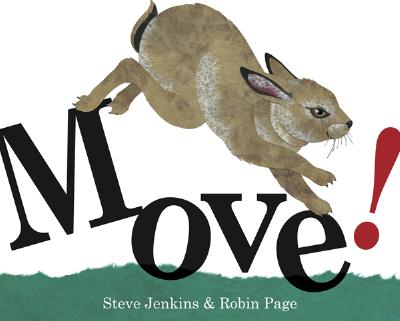
Move! by Steve Jenkins and Robin Page

A wonderfully fun nonfiction book that introduces kids to how animals move. It has beautiful language, “A crocodile leaps to snag its meal after slithering silently into the water…” with text that moves all over the page to show the motion being described. Children will love exploring how animals move with this book.

Should I Share My Ice Cream? by Mo Willems

Another Piggie and Elephant adventure that will help teachers talk about sharing and friendship. The anticipation throughout the text and pictures, along with a twist at the end, will leave readers loving this new book by Mo Willems.

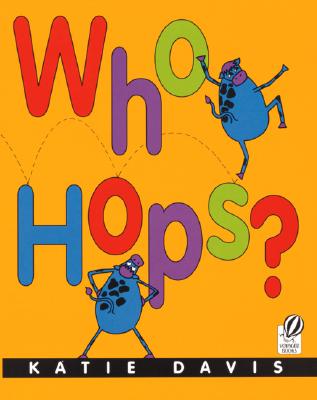
Who Hops? and Who Hoots? by Katie Davis

I can’t believe I’ve never heard of these books until now. They are amazing! I can’t wait to read these to my kinders. Fun, colorful pictures and an engaging text, “Frogs hop. Kangaroos hop. Cows hop. NO THEY DON’T!” will definitely pull young readers in and invite shared reading. I love how there are great nonfiction facts woven throughout as well. “Who squeaks? Hippos don’t squeak. Alligators don’t squeak. Mice don’t squeak. YES THEY DO! – Mice have very bad eyesight and give birth to lots of babies, and they definitely squeak!” Katie Davis has a great website, too!

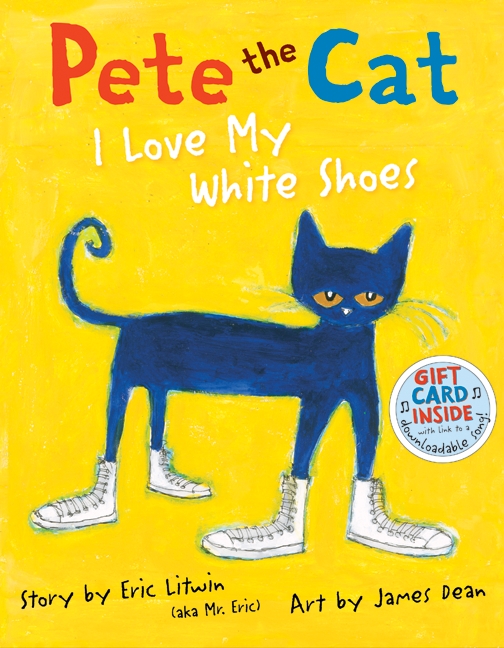
Pete the Cat: I Love My White Shoes and Pete the Cat: Rocking in My School Shoes by Eric Litwin

Pete the Cat quickly became my favorite read aloud last year, along with this fabulous YouTube video showing the author and illustrator performing the song. Eric Litwin and James Dean have come out with a new Pete the Cat story where Pete is rocking his school shoes as he goes on a tour of the school. This is the PERFECT first day read aloud! And yes, school is “all good”!

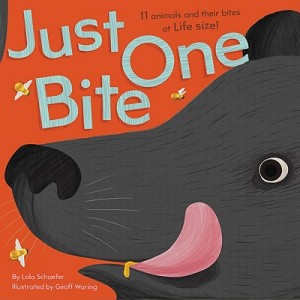
Just One Bite by Lola Schaefer

This HUGE nonfiction book shows kids how much animals eat in “just one bite”. The book shows the life size animals and all or part of the mouths, along with the food of choice. More details follow at the end of the book for kids to learn more about the eating habits of each of the animals. Kids will love this giant book and the great illustrations.


We hope you are starting your year with some old favorites and some new finds that will really get kids loving books and loving to read. What books are in your “top 10”?

Where have all the thinkers gone?

Life consists in what a man is thinking of all day.  

                           – Ralph Waldo Emerson

So I’ve been thinking a lot about teaching lately. I tend to spend the first several weeks of summer reflecting on the past year, looking towards the upcoming year and asking myself what worked and what didn’t. I go for long runs and bike rides and think about my teaching. I surround myself with other thinkers in my life – people who are constantly asking themselves “why?”, questioning, wondering and reflecting on their own best practices.  Twitter and blogs provide another place to think and read about what other educators are thinking, and allow me to question, wonder and grow as a learner. I can’t imagine teaching any other way.

But I’m worried. I hear a lot of the conversations in the teaching world revolving around a “tell me what to do” mentality.  I’ve talked with teachers who define their literacy or math block as, “whatever the teaching manual says to do that day”.  But where are the students in this plan? We expect a teacher’s guide, a pacing guide, a list of test items and a copy of the standards and we think we’re good to go.  This is what much of education has been reduced to.  It’s the only way that many teachers know. While all of these things are important tools to have, I think educators have to be thinkers. We can’t let other people do our thinking for us. We are the ones who know our students and who must be responsive to what our students do each and every day. A pacing guide or teacher’s manual can’t possibly do this.

I was at an inservice once for a basal reading series and I was asking several questions about how this “one size fits all” program could possibly reach the needs of my students. I was doing some serious thinking and questioning about the program our county was adopting. The presenter told me, “look, it’s all right here in the teacher’s manual – even your teachable moments. You don’t even have to think!” I told him that when I stopped thinking, I would stop teaching.

In this era of standardized testing and accountability it’s even more important for us to be thinkers and to teach our students to be thinkers. While a bubble test does have a correct answer, much of life does not have a correct answer. It requires problem solving, reflecting, questioning, wondering  and lots of thinking. I want my students to be curious and thoughtful, to wonder and ask “why” as much as they can.  I want to model this by challenging (professionally, of course) questionable practices or curriculum mandates that I don’t feel are in the best interests of our students. I need to be current on best practices and solid research to support my questions and be ready to propose an alternative plan. I need to be constantly thinking and learning. Not only for me, but for all the students I teach every day.

So how do you describe yourself ? Are you a thinker or someone who reflects on his or her teaching? Do you question what is asked of you if you feel that it may not be what’s best for students?

I hope teachers are resting up this summer, reflecting on their teaching and getting ready to make next year a fabulous teaching and THINKING year! What have you been thinking about this summer? We’d love to hear your thoughts!

photo from Wikimedia Commons

Books & Boys – A Review of Pam Allyn’s Best Books for Boys

”Reading can feel as risky as walking a tightrope even if it doesn’t look nearly as daring.” – Pam Allyn

We feel very fortunate to be asked to read and review Pam Allyn’s new book Best Books for Boys: How to Engage Boys in Reading in Ways That Will Change Their Lives. It was a book that we found ourselves highlighting, nodding our heads and even saying “yes!” at several points while reading. Pam’s commitment to our boy readers, and all children, is evident through the work she has done with LitWorld, and her other books for teachers. This is a book that needs to be in the hands of all teachers – for them and for the boys in their classrooms. Best Books for Boys is for any teacher searching for ways to “hook” the boy readers in his or her classroom.

Allyn writes, “All of us, but it seems boys especially, are taught to dislike what we cannot do well. To avoid that trap, let us balance challenge and comfort.”  It is with challenge and comfort that she sets up her classroom environment, immerses boys in great books, provides opportunity for book choice, and encourages book clubs and partnerships where boys can talk, laugh, and explore books together.

Covering just about every topic and genre imaginable, Pam gives us a wonderful selection of books, including poetry, non-fiction, and fiction, to entice our boy readers.  She divides those titles and reviews into emergent, developing, and maturing to further make it easy for her readers to use this resource.  We can all expand our repertoire of great reads by keeping this book handy.

We love how Pam supports us in creating classroom environments that foster a love of reading in all students, including our most reluctant boy readers. Here is our “don’t forget list” as we plan for next school year.  We need:

–    a well-stocked, diverse classroom library that reflects not only the levels but also the interests of our students

–    to show boys why people read: “To laugh. To discover. To research, wonder, and imagine.” and help them develop reasons of their own

–     to invite male role models into the classroom to talk about their reading

–     to value different kinds of reading including magazines, web sites, blogs, comics, graphic novels and video games

–     to be responsive to active learners and to provide space for boys to be themselves

–     to provide lots of time for play and movement surrounding reading

–     to value and make time for daily independent reading, encouraging choice and supporting boys as they learn to choose books that match their interests

–     to honor the social aspect of reading by providing time for meaningful talk about books, poems, and stories.

Here are some of the wise words from Pam that caused us to ponder, connect with a particular student or remind us of the important work we do:  
“There should be little difference between reading for school and reading for fun: we want boys to approach all their books with curiosity and excitement.”
”Let’s align reading more with play than work. Let’s think of it more as a joy, a distinct pleasure of being human, than as a task. Let boys read, and let them read what they like.”


”Reading can feel as risky as walking a tightrope even if it doesn’t look nearly as daring.”


”Giving boys books at a variety of levels helps them to build a sturdy foundation so they feel safe in trying more challenging ones. It is also essential to value each book in and of itself, not just as a stepping stone to more challenging ones.”


”My mission is to help all children achieve not only functional literacy but transformational literacy. The kind of literacy that will allow them to learn something new every day, connect to all people everywhere, and to invent new ideas that could change the world.—And in this process, to learn, through reading, how to be the kind of person they want to become.”

We highly recommend Pam Allyn’s Best Books for Boys.  Read it, enjoy it, and keep it close on your bookshelf as a reminder of how important it is to reach our boys and as a reference as you strive to help every boy become a reader.

Never Give Up

In November, the second grade class I supported got a new student. Lupita was a sweet, kind, quiet child who was learning English as a second language, although she had been in English speaking schools since kindergarten. When Lupita arrived, we gave her a Developmental Reading Assessment (DRA2) to determine where she was in reading and what our next instructional steps would be. She tested at a level 3 – end of kindergarten level – and this was November of second grade. Yikes. She immediately became a concern for us and our literacy team put our heads together to see what our best approach might be to support the classroom teacher.  Our Reading Recovery teacher offered to eat lunch with her and do a modified Reading Recovery lesson with her for a few weeks, our ESOL teacher and classroom teacher each did guided reading lessons with her in the classroom, and I added her to one of my Leveled Literacy Intervention (LLI) groups.  All of this was in addition to the work she did daily in the classroom. She made remarkable progress and ended the year as a strong, strategic reader who loves to read and talk about books.  Her end of year DRA2 level was a 24 – very close to the second grade benchmark. I have no doubt that she will continue to thrive as a reader.

We all love to hear success stories such as these, and I know all of you have similar stories to share and celebrate. So what can we learn from Lupita? How can we be ready to greet the Lupitas that will be in our classrooms next fall?

1 – Continual monitoring of student progress (see entry on Progress Monitoring) is key.  When we are checking in on student progress with meaningful data (running records, anecdotal notes, etc.) we can adapt our instruction to best meet his or her needs. We make sure that no child falls between the cracks or is overlooked and that no time is lost in accelerating his or her learning.

2 – It takes a village. The task of teaching Lupita to read was a team effort, with frequent communication between all of the teachers working with her. Most classroom teachers are qualified to instruct children who struggle, however, they have 20 or even 30 other children to instruct as well.  They can do their part, but they need specialists to provide support as well. A double (or sometimes even triple) dip of quality instruction that complements each other is essential. If a child is being pulled for a small group or one-on-one intervention, they should also be receiving guided reading instruction or one-on-one conferencing in the classroom. Frequent communication between specialists and classroom teachers helps the intervention be much more effective.

3 – Never, ever, give up.  Our students who struggle need us. They need us to try everything we know and to not make excuses for why they aren’t learning. If something isn’t working – we need to put our heads together and come up with a new plan.  We can’t give up on any of our students.

What success stories do you have? Please share!

Teachers on Twitter

I’ve been tweeting on Twitter for over a year now. I find it’s an amazing place to go for professional growth, development and inspiration. I’ve learned so much from the people I tweet with. I’m amazed at how much my list of followers has grown – and how many outstanding teachers I’ve come to know simply by reading their 140 character tweets. Recently, Kassia Omohundro Wedekind, author of Math Exchanges (coming this fall through Stenhouse),  and I sat down to discuss how we use Twitter in our professional lives. You can listen to our short podcast on the Stenhouse blog or here. Please follow us on Twitter – and we will follow you back! I tweet from @bluskyz and @CatchingReaders, Kassia tweets from @kassiaowedekind and Pat tweets from @PatJ222. You can find an extensive list of people to follow on the Stenhouse blog.

How do you use Twitter in your teaching life?

Intervention: A Team Effort

As teachers, we are committed to making sure that all children succeed. For our children who struggle, we make sure many things are in place to catch them before they fall. One structure that my school has in place is Progress Monitoring Meetings. Every six weeks or so, we take two hours out of the school day for each grade level to meet about the students we are concerned about in the areas of literacy, mathematics and behavior or social issues. Everyone who works with this child is present at the meeting – classroom teachers, specialists, resource teachers, guidance counselor and administration.

We bring data in the form of running records, anecdotal notes, DRA assessments, portfolios, work samples, county benchmark tests and any other formative assessments given to support our observations, concerns and thinking. We use this time as a “meeting of the minds” to work together as a team to target strengths, weaknesses and decide what we can do to help each child succeed.

This time is not “just another meeting”, as many of us can relate to. It’s a focused, productive meeting that allows us to zoom in on every child who is struggling and make a plan for helping him or her. We create specific goals and a plan of action for each child, and work together to see that it is carried out. We come back together and share at our next meeting – refining goals, celebrating successes and deciding next steps. Intervention is a team effort. We view the students in our school as “our kids”, not “my kids”, and we all work together to make sure they are successful.

Reflecting back on the year, I am amazed at how much progress our most struggling students have made. I think approaching intervention for our children who need us the most through a collaborative, goal-oriented plan, based on ongoing assessments and quality data, has truly helped us catch many children before they fall.

How is intervention working at your school? We’d love to hear about it – please share!

Inferring: The Heartbeat of Comprehension

Pat and I presented to a wonderful and (WOW!) very large group of teachers today at the International Reading Association’s conference in Orlando. We’d like to share the powerpoint with you here. If you would like to print the handouts, you can get them from the IRA’s website. Also, you can find an extended version of our presentation as a video Webcast on the Reading Recovery website. Enjoy!