Summer Reading

One of my very favorite things about summer is the time I have to read. I have vivid memories of riding my bike to the public library during summer vacations when I was in elementary school. I would check out 12 books (the most they would allow), balance them precariously in the basket of my bike, ride home and devour them on the screened in back porch and then ride back to the library to get 12 more. Summer days spent reading were the best. I still feel that way now.

I started my summer by reading several “just for fun” books. Elin Hilderbrand is one of my favorite “beach book” authors, as well as Chris Bohjalian. Now that I’ve decompressed a bit and am in full-on summer mode, I’m diving into my professional reading stack. Of course, I’ll make sure to mix up the professional reading with plenty of pleasure reading too.

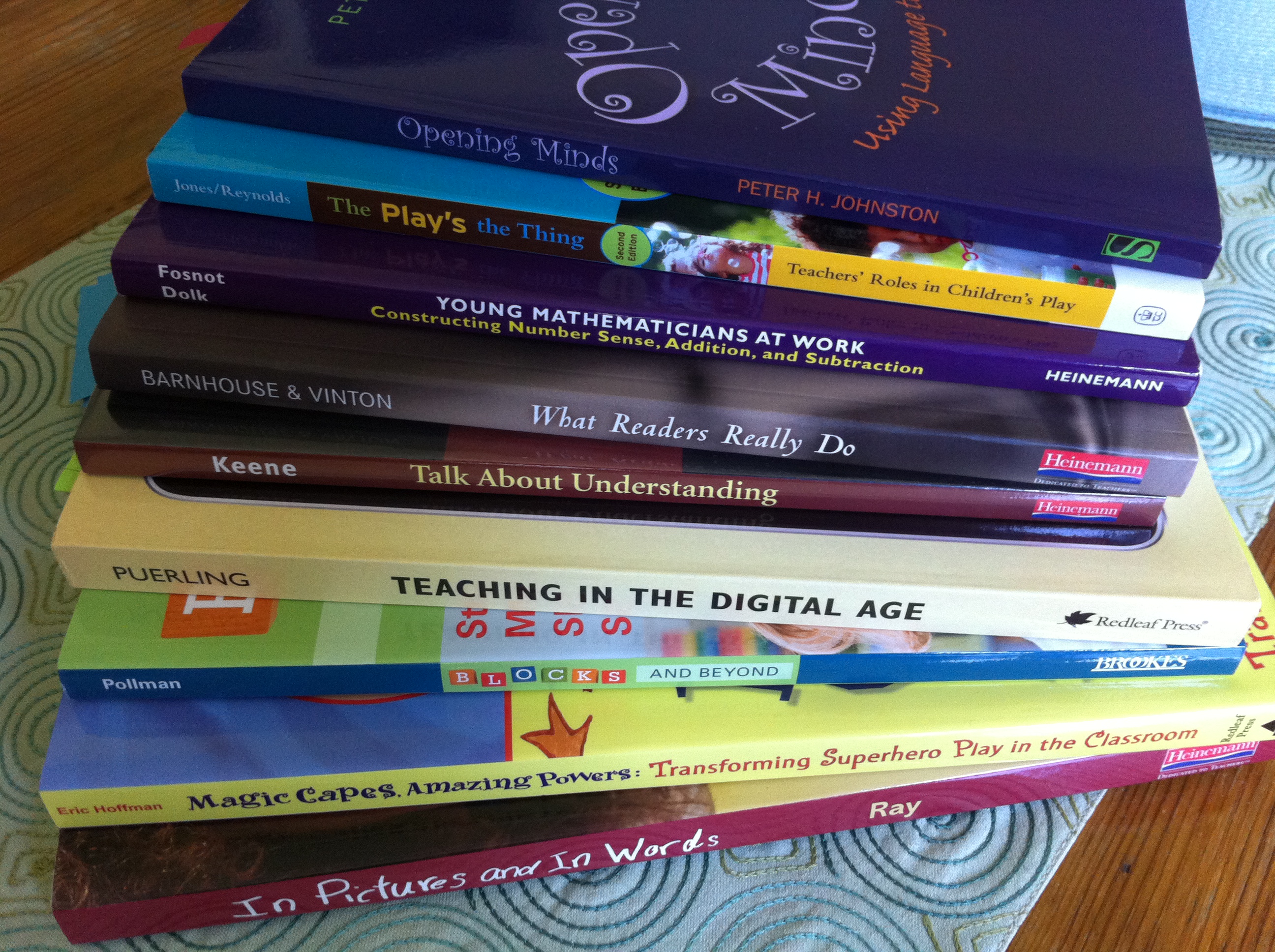
Here’s what’s on my professional reading list:

Teaching in the Digital Age: Smart Tools for Age 3 to Grade 3 by Brian Puerling

Talk About Understanding: Rethinking Classroom Talk to Enhance Comprehension by Ellin Oliver Keene

What Readers Really Do: Teaching the Process of Meaning Making by Dorothy Barnhouse and Vicki Vinton

Choice Words (I always reread this one in the summer) and Opening Minds by Peter Johnston

Blocks and Beyond: Strengthening Early Math and Science Skills Through Spatial Learning by Mary Jo Pollman

The Play’s the Thing: Teachers’ Roles in Children’s Play by Elizabeth Jones and Gretchen Reynolds

Magic Capes, Amazing Powers: Transforming Superhero Play in the Classroom by Eric Hoffman

Already Ready: Nurturing Writers in Preschool and Kindergarten (rereading & discussing with my Kindergarten team) by Katie Wood Ray and Matt Glover

Young Mathematicians at Work: Constructing Number Sense, Addition and Subtraction by Cathy Twomey Fosnot and Maarten Dolk

In Pictures and In Words: Teaching the Qualities of Good Writing Through Illustration Study (another reread but I want to do more with this next year) by Katie Wood Ray

Happy summer reading, friends! Enjoy.

What’s on your summer reading list?

Do you have favorite books you read and reread as a summer ritual?

Interacting with our Interactive Whiteboard

Sharing our writing on the SMARTboard through a document camera

“The principle goal of education is to create men and women who are capable of doing new things, not simply repeating what other generations have done.” – Jean Piaget (quote taken from Literacy Smarts)

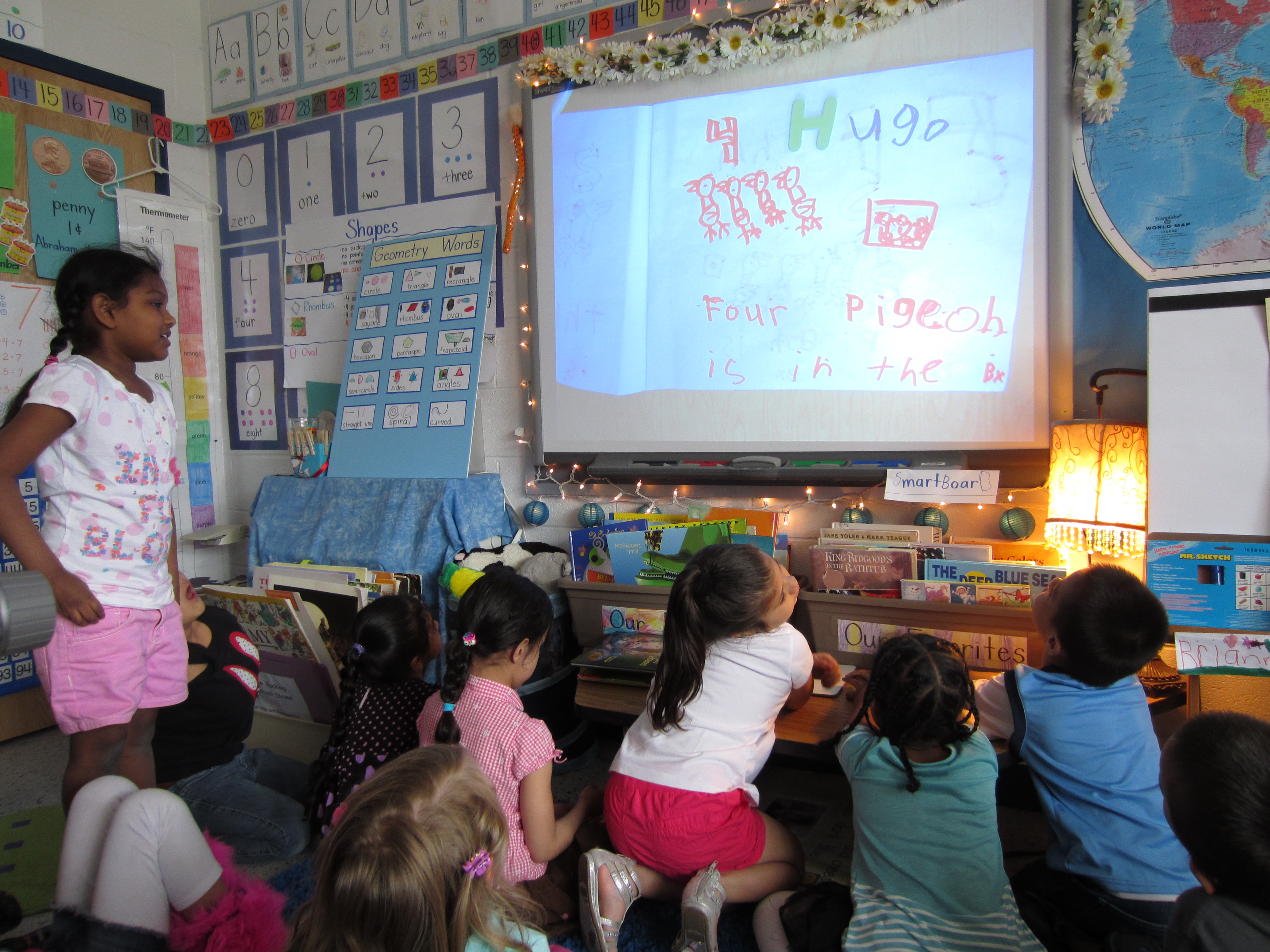
I am fortunate to teach in a school where each classroom has a SMARTboard – an interactive white board mounted to the wall. I’ve challenged myself to find ways to use this technology tool to engage my students and move beyond simply using it as a projector screen or a digital worksheet. This is the fourth year I’ve had access to an interactive whiteboard and I’m continuing to learn so much from my colleagues, my students, a few workshops and simply playing around with the tools. Here are just a few ways that I use my interactive whiteboard in our classroom.

Morning Message

1. Morning Message

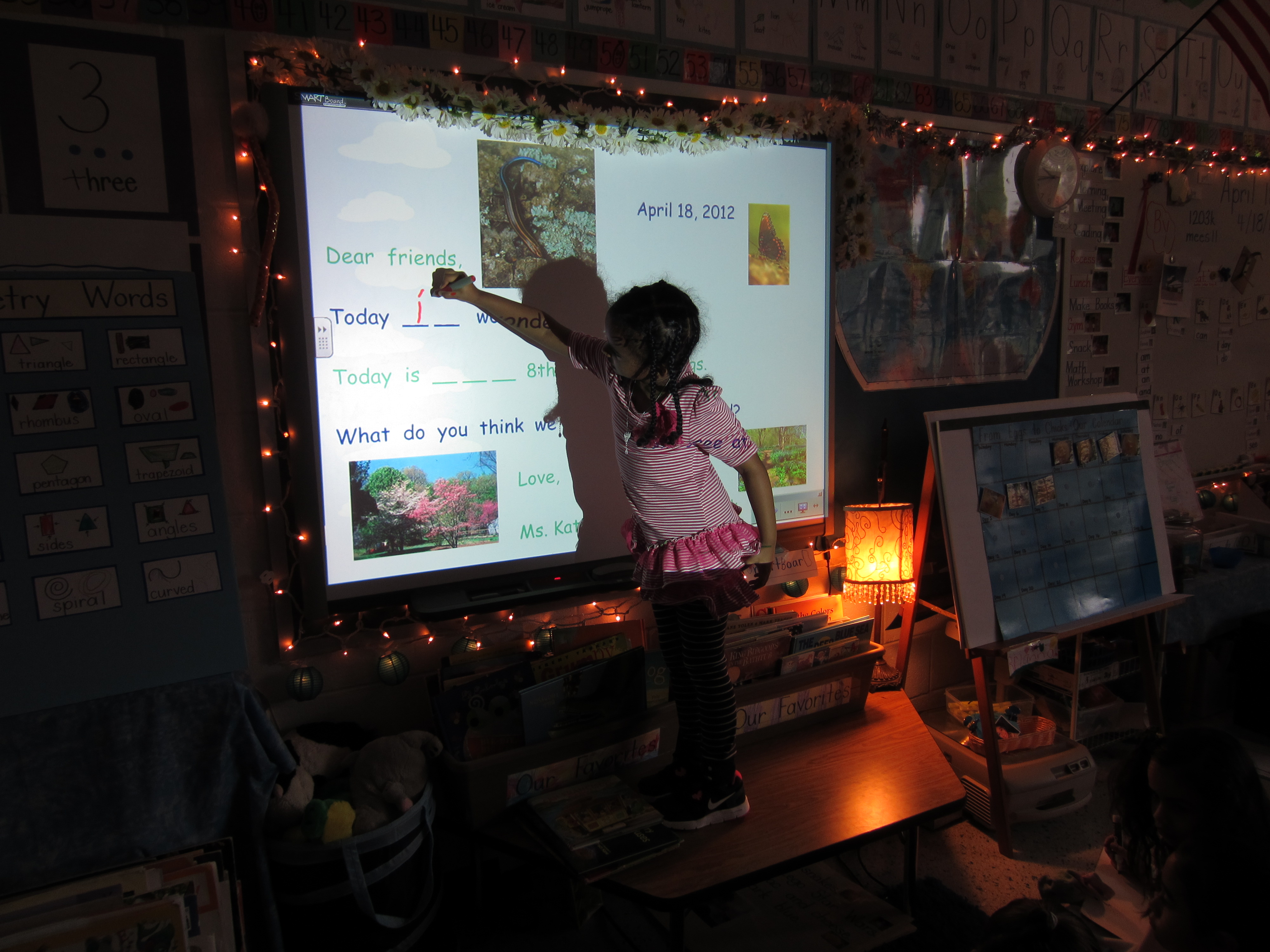
Every day I write a morning message in the form of a letter on the SMARTboard for us to interact with. I write one sentence per line in alternating colors so children can easily see different sentences. We read the message first, then fill in any missing words I left out for kids to write, read the message again to make sure it makes sense, looks right and sounds right, and finally use a variety of tools to highlight specific words, letters, punctuation, etc. Kids come up to the board to show us what they notice. For example, they may use the Magic Pen to spotlight a new sight word from the word wall. The highlighter pen is a favorite tool to highlight letters and words they know, as well as ending punctuation they are noticing. I may include a graph for kids to move their names to indicate what they would like for lunch on an upcoming field trip or what their favorite color is. All students have a traditional lap whiteboard of their own to follow along with what is happening on the SMARTboard. I find this helps keep all kids engaged and allows me to do a quick check of who is “getting it” and who needs additional support. I print one copy of the morning message before we interact with it. Then I print another copy when we are done that shows all the thinking and writing we have done. I then make a 2-sided copy to send home. This is the only homework I send home for my kindergarteners. Their job is to share the morning message with a family member and do the blank side with someone. Many of the kids “play school” with other siblings or their parents and they tell me they enjoy sharing the message at home. They do not return this to school. I ask families to save these at home in a notebook or folder for kids to revisit and read as the year goes on. It provides another text for kids to read and reread at home.

Exploring an alphabet poster on the SMARTboard

2. Playing with Art

We’ve done several projects focusing on visual art this year with the SMARTboard playing a key role in our unit. We used Kandinsky’s art to learn about geometry and recently we explored the alphabet through photographs. The children looked at alphabet posters on the SMARTboard and found the letters in the photographs. This was a station where kids could look at a variety of photographs and highlight the found letters with a variety of writing tools. We then went out and took our own alphabet pictures and are in the process of editing them into a slideshow and a poster like the ones we have studied. I love how the SMARTboard can allow children to see the art and interact with it. We have looked at a variety of art in math, science, social studies and language arts. With the SMARTboard the children have been able to experience the art as they write on it, trace over it, spotlight it, create their own and interact with it beyond what we can do with an art print. There are many art museums that allow you to download pictures of the art and save them. Google images also has many possibilities for images to use while teaching.

Watching a video clip of seals in Seattle from a student blog

3. Blogs, VoiceThread, Twitter

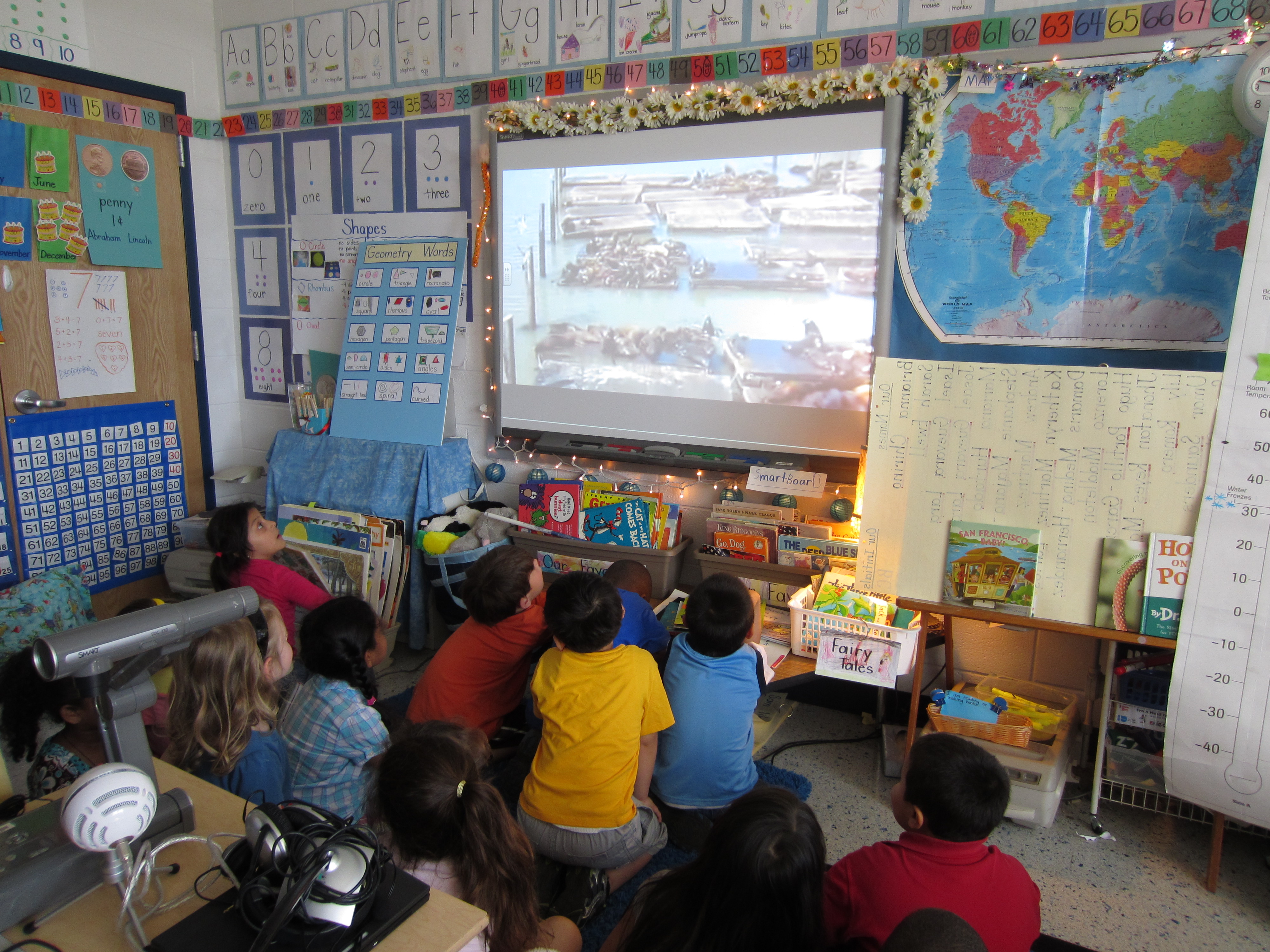
We use our SMARTboard not only to view and comment on class blogs that we follow, but also to create new posts on our class blog. We can do a shared writing piece with everyone participating as we create text to share on our blog and choose the accompanying photos. Recently, a student went to visit her grandparents and missed a week of school. She kept in touch with a blog. We looked at her blog every morning and commented on the posts she was writing. We’ve created several VoiceThreads this year and can use the SMARTboard to create, view and add new comments to existing VoiceThreads. We’ve shared favorite books, read a community writing piece and reflected on a field trip through VoiceThread. We also tweet on the SMARTboard – reading through our Twitter account and adding new tweets to our friends in other schools.

Making our space shuttle

4. Visual Texts

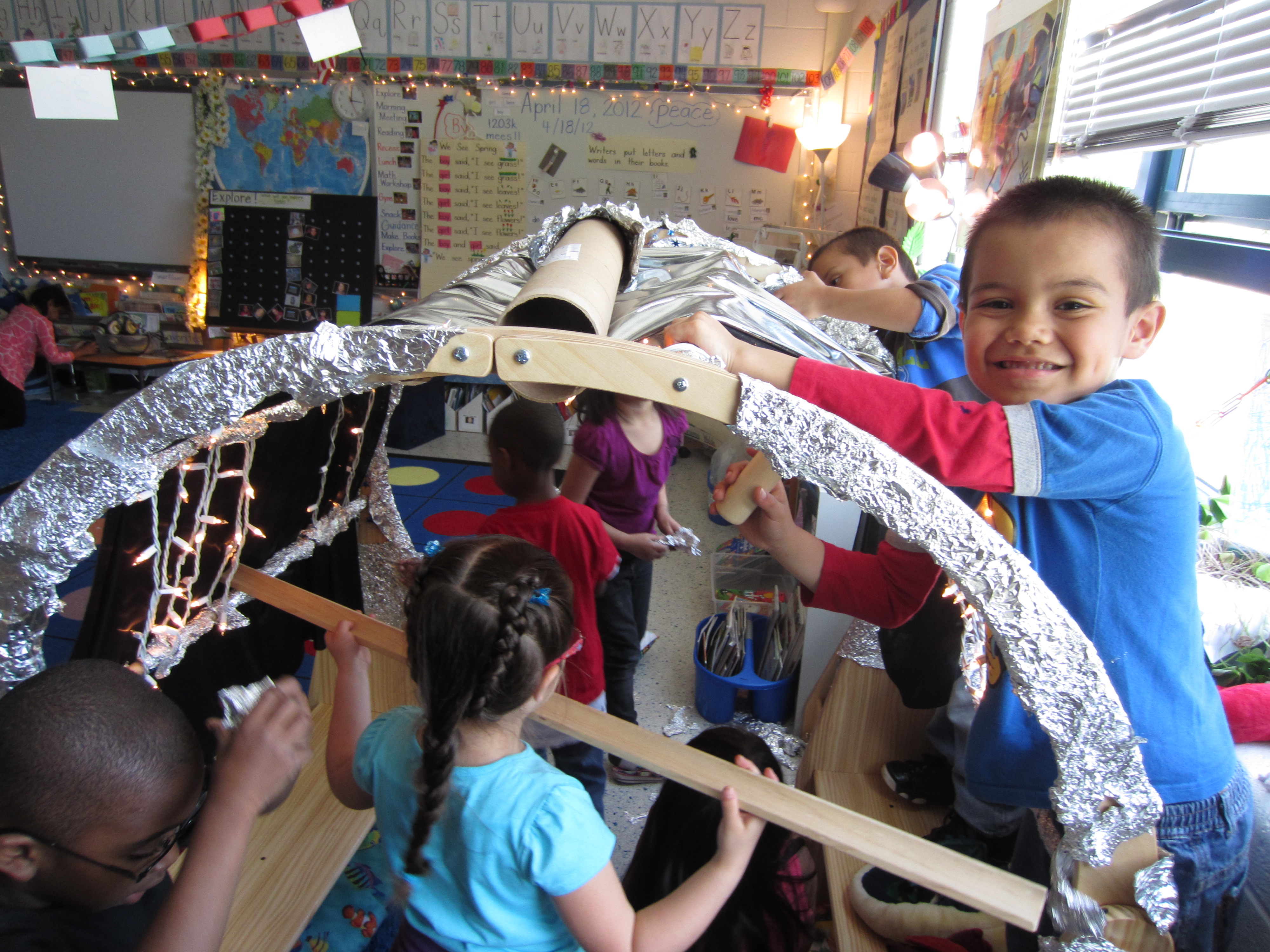
With an interactive whiteboard you can use screenshots from videos, YouTube clips, photographs, etc. and create with writing, drawing and audio right on the image. Recently the space shuttle Discovery flew over our school on its way to the Udvar-Hazy Center near Washington, DC. The kids were so excited to see this and wanted to learn more. I found clips of the space shuttle launch online, as well as a collection of photographs. I put them on the SMARTboard and the kids interacted with them, (while also using a collection of books I got from the library) – labeling parts they knew, circling parts they wanted to learn more about, creating a dialogue with the audio tool to talk about what they saw and what they still wondered about. Then they decided to build their own space shuttle in our classroom (with a LOT of aluminum foil!). This became a dramatic play area for a few weeks.

I feel like I learn and discover something new almost daily with my SMARTboard. We use it with Scribble Maps to draw on maps as we learn about geography to track the migration of monarchs, find a location from a book or to find where a Twitter friend lives. We use it with Pixie to model a visual representation of our thinking while sharing a math problem. We use it to practice concepts by sorting rhyming pictures or creating graphs for students to interact with. The possibilities are really endless!

One thing I feel strongly about, however, is that it’s not a replacement for shared writing on chart paper or a community writing book project. It can’t replace shared reading with big books or poems on charts. It’s a great resource to complement my teaching and I make sure my plans for using it have a specific purpose. I don’t use the SMARTboard for everything I do. I still use big books and highlighting tape for shared reading – but I may do a shared reading occasionally on the SMARTboard too if the text I want to use lends itself to being projected and used on the board and will benefit the kids this way. I view the SMARTboard as a tool FOR my students. It’s not just my board – it’s theirs too – that’s why it’s called interactive. I want them to use it independently, interact with it and be proficient with this tool.  I see the interactive white board as another tool to engage my students.

I recently read a great book published by Stenhouse called Literacy Smarts by Jennifer Harper and Brenda Stein Dzaldov. The authors share simple, yet meaningful, strategies for using an interactive whiteboard in your classroom. If you’re looking for more possibilities in using your interactive whiteboard, I highly recommend this book.

How do you use your interactive whiteboard in the classroom? We’d love to hear your ideas!

Literature Circles Continued

If you saw my post the other day, you’ll remember that I’ve been thinking a lot about literature circles or book clubs lately.  We can teach children to facilitate their own discussion groups.  I especially like to see these happening in grades 3-8, but I’ve also seen them work well in grade 2.

You might want to pick up a professional book on the topic this summer. Here are a few I’d suggest:

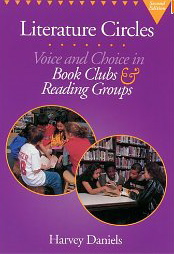
Harvey Daniels, Literature Circles: Voice and Choice in Book Clubs or Reading Groups, Stenhouse, 2002.

Harvey Daniels (or Smokey as he’s known to his friends) is probably the person most responsible for getting many teachers to think about literature circles.  In this second edition he clears up the confusion about “role sheets.”  In some classrooms, he says, they became “a hindrance, an obstacle, a drain.”  He explains that the roles are “intermediate support structures” and that each role was designed to “support collaborative learning by giving kids clearly defined, interlocking, and open-ended tasks.” In this text he moves from role sheets to a training process.  On pages 55-71 he gives four training options.

Jeni Day, et. al., Moving Forward with Literature Circles, Scholastic, 2002.

This book will really help you begin the year with careful practice of discussion groups.  The authors help you map out a way to begin with whole group read alouds and practice different ways of talking about text before moving students into running their own groups. The lists of prompts to get discussions going on various topics will be helpful to novice teachers.

Kathy Collins, Reading for Real: Teaching Students to Read with Power, Intention, and Joy in K-3 Classrooms, Stenhouse, 2008.

Although Collins is not talking about literature circles, she does use reading partnerships. The partnerships are student-led discussions and are meant to support students as they delve deeper into texts. The two members of the partnership read the same book or books by the same author and then “grow ideas” together about their book, characters, series, author, and so on.  Collins has the partners fill out a “Reading Partnership Contract” (an adaptation for book club members would be easy.)  Their contract begins, “We will try our best to work well together to help each other become stronger readers, thinkers, and talkers. Here is a list of things we will do as partners (book club members) that will help us do our best work together.” Then the students create a list and sign their contract.

Other ideas from Collins’ book involve the T-charts she often uses. For NonFiction reading:

Column 1: What we noticed, learned, and found in the text.

Column 2: What it makes us think, wonder, and question.

Or if students are reading fiction, make a T-chart about characters:

Column 1: What we noticed about our character.

Column 2: What ideas we grew about our character from the things we noticed.

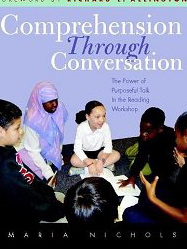
Comprehension Through Conversation, Heinemann, 2006

Maria Nichols has two wonderful books out – Talking about Texts, Shell Education, 2008 and Comprehension Through Conversation, Heinemann, 2006. Both texts will help you teach children about what good literature conversations look like and sound like.

Shelley Harwayne, Lasting Impressions, Heinemann, 1992.

This book is probably already on your shelf! Has it really been 20 years since I first read this book??? Consider rereading the first four chapters. Even though it’s mostly about writing, the reading connection is so profound.  She opens the year by encouraging kids to respond to great literature and poetry.  Again, literature circles are not mentioned specifically, but the idea of teaching kids how to delve deeply into texts is ever-present.

Please feel free to add any other ideas of professional texts, blogs, or articles that relate to implementing book clubs in your classrooms.

Readers’ Statements

During my first year of Literacy Collaborative I was introduced to “Readers’ Statements”. They made a huge impact in my teaching, and carried over to writing, math, and science in my classroom as Writers’ Statements, Mathematicians’ Statements and Scientists’ Statements.

A readers’ statement is basically a sentence or two that states what readers do. Notice I’m not saying “good” readers. As Peter Johnston writes about in Choice Words, (an absolute MUST READ, if you haven’t already) when we identify someone as a “good” reader, it implies that there must be “bad” readers. “It leaves open the question of who the bad readers are and how you can tell.” I think this greatly impacts the identity our kids have as readers. I want all of my students to see themselves as “readers” – not as “good” or “bad”. So I choose to leave any qualifier off and simply use the term “readers”.

I use the readers’ statements as I plan my instruction, as I teach my focus lessons, as I meet with small groups and one-on-one with children, and throughout our day as I model what reading looks like and what readers do to make meaning from texts. Having a clear readers’ statement helps me stay focused on what I am teaching and allows the students to know what our focus is. When phrased in this way, “readers….” it helps students see themselves in the task. It creates an identity as a reader. They are readers (writers, mathematicians, scientists…) and this is what they do.

I typically choose one or two statements each week or so to focus on.  I write them on a chart or on a sentence strip and have them out in a place where we can see them and I can refer to them constantly. I plan this focus by looking carefully at my students and what they need next as readers. I may have one statement as our whole class focus that we look at through interactive read-aloud, shared reading and community writing. I then choose statements for each of my guided reading groups as well as the focus for my one-on-one conferences. Often, the statements I use in small group or 1:1 are ones we have used in the whole class that some students need additional time and practice with as they begin to internalize the strategy or skill we are focusing on.

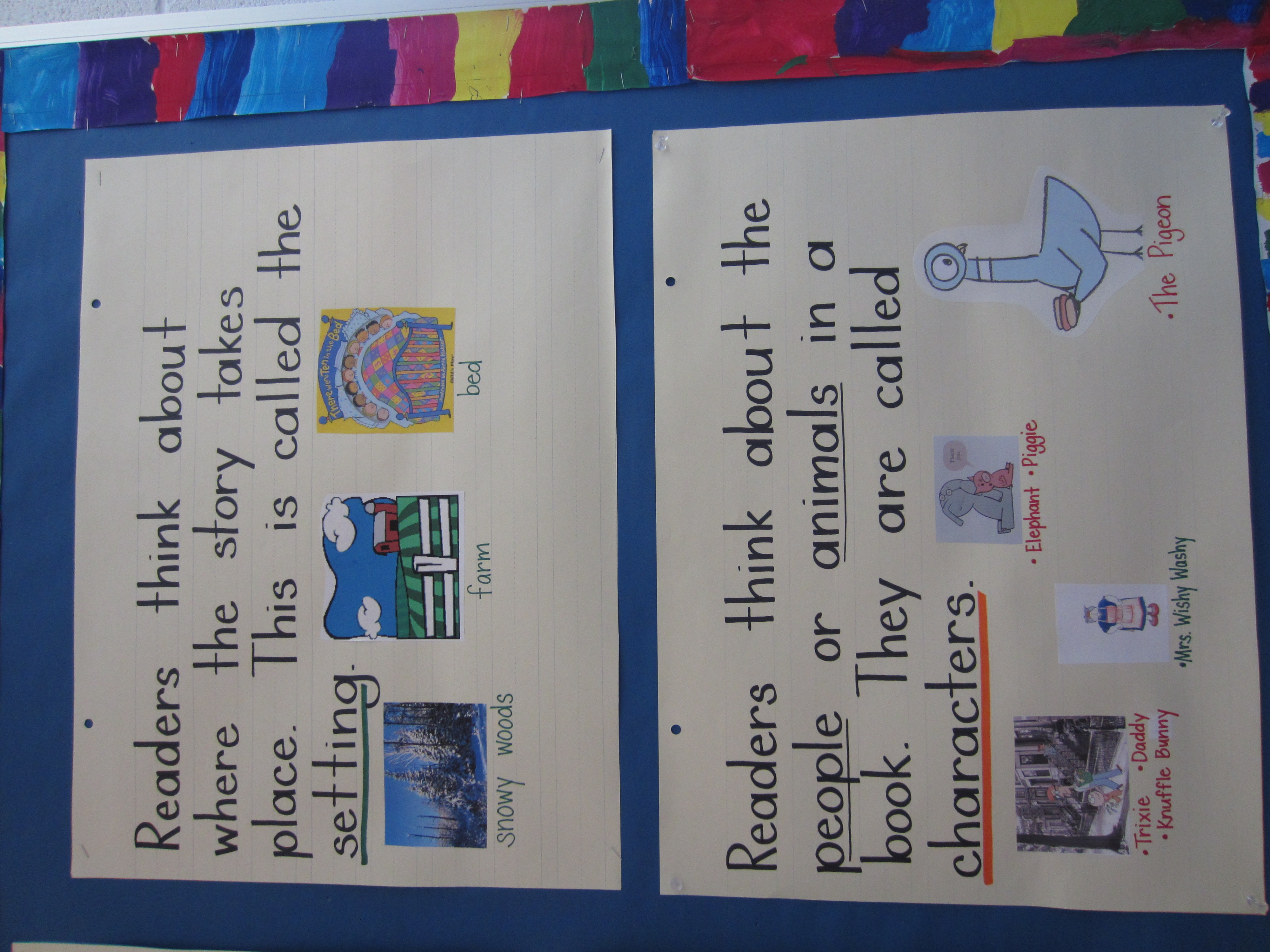
In kindergarten and first grade, I’ve found it’s very helpful to use the readers’ statements with photos to connect to prior learning and to help the children read and remember what our anchor charts say. Below are just a few examples of readers’ statements I’ve used this year. Take a look at your standards, the strategies you are teaching and what your students need next as readers to come up with your own statements.

Readers think about what they read.

Readers make sure what they read makes sense.

Readers get a picture in their head to help them understand what they read.

Readers notice that a book reminds them of something.

Readers look for words they know in their books. 

Readers think about what the characters are feeling.

Have you used readers’ statements? How do you see them supporting the readers in your classroom?

Buddies

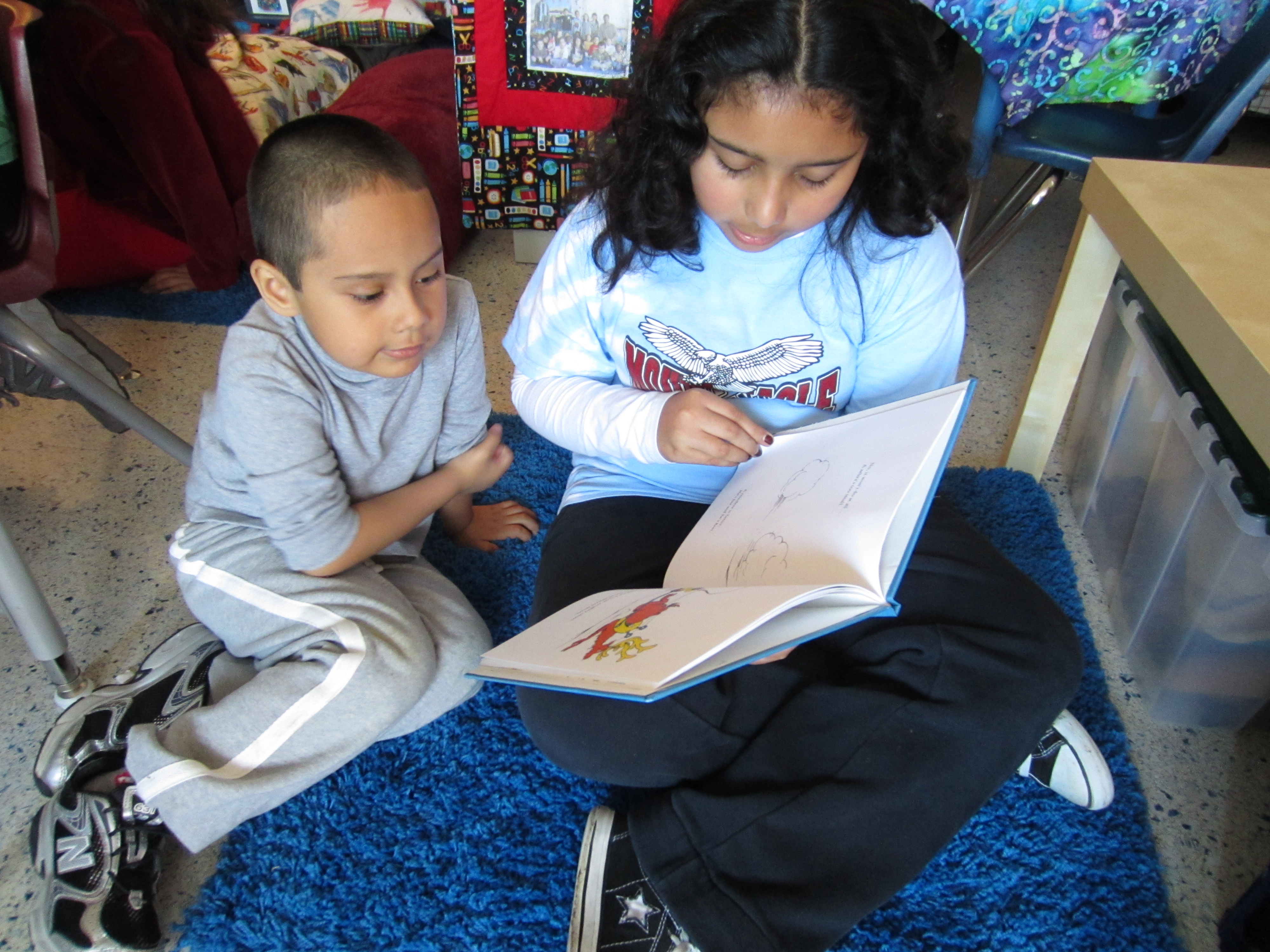
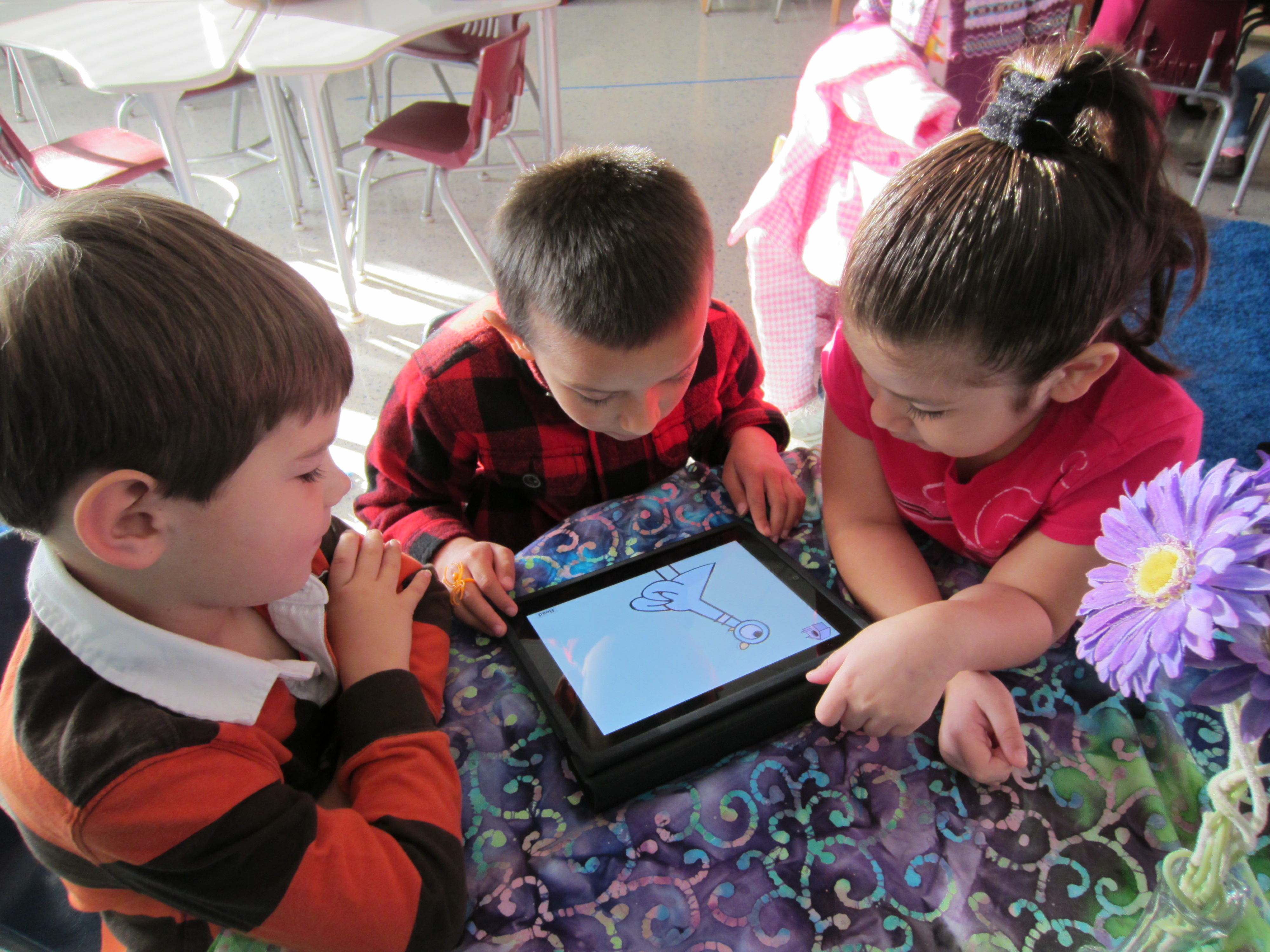
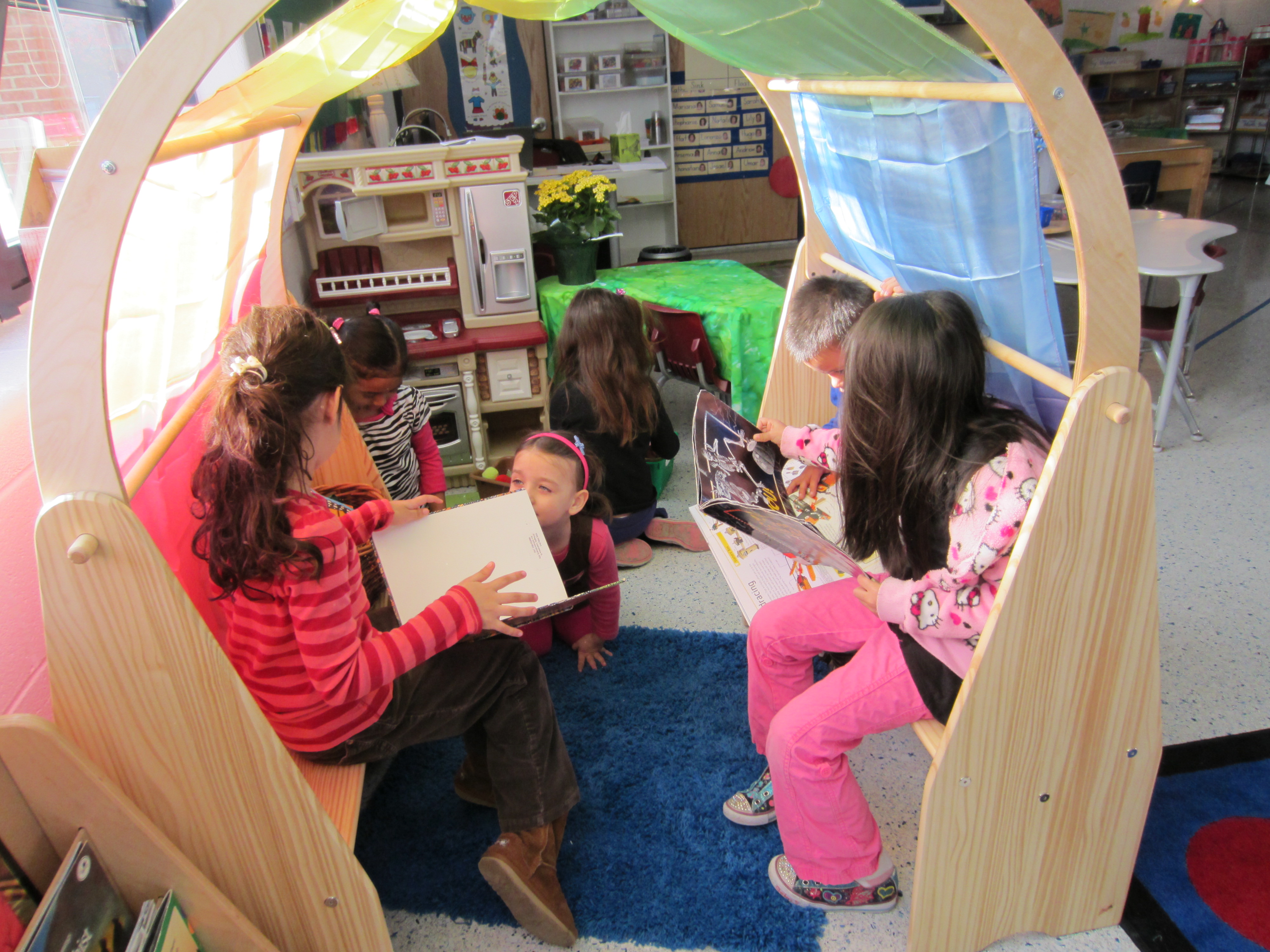
Just as teachers need strong mentors, so do our young readers. We are very lucky to have our 5th grade book buddies! Every other week, the 5th graders check out a library book to share with their kindergarten buddy.  After they finish reading their book, the kinders pick a book from our classroom library to share with their book buddy. Last week we invited our 5th grade book buddies to do Explore with us. They loved playing with blocks, the iPad and pretending in the dramatic play area with their kindergarten buddies. It was so fun watching the kids interact and play together. Do you have a buddy class? We’d love to hear what you do!

Time to Catch Up

If you are like Katie and I you try to read some favorite blogs daily (for Katie) or a few times a week (for Pat).  But things always come up and you get behind.  Sound familiar?  So Katie and I have decided to take a break from writing blogs (not for long, just during the winter break) and instead catch up on reading past posts of some of our favorite sites.  If you are interested in catching up also, we’d like to suggest a few great posts that we’ve come across:

“In a teaching world filled with data, I think the best thing about the first days of school is getting to know kids not by numbers, but by living beside them.” This wonderful quote by Cathy Mere is from a blog post last fall. I want to revisit this post as we start our first days of 2012, as well as her many other thoughtful posts.

I was lucky to meet Ruth and Stacey of Two Writing Teachers at NCTE this year. What inspiring, dedicated teachers and writers they are! I love this post on blogging – and writing habits.

Choice Literacy – We get a weekly newsletter from them (you can too, sign up for free on their site) and we never have enough time to read all the interesting articles that are posted each week. We plan on taking some time to search for topics we’re interested in and read the articles as well as view the many videos on the site.

Podcasts from Language Arts NCTE – these are free podcasts available on the NCTE website.

Mandy’s posts at Enjoy and Embrace Learning share new must-read titles, projects she is doing with her kids and reflect her love of teaching. I look forward to catching up on these posts!

Math Exchanges – this blog from our colleague Kassia Omohundro Wedekind is a thoughtful sharing of math and literacy ideas. Her post on Math and Storytelling from the NAEYC conference is a good one to revisit.

And, of course, we wish you a happy and safe holiday season.  Enjoy your family and friends at this special time. We’ll be back writing right after the first of the year. Please feel free to add a comment about a post or article that you really enjoyed this school year that you wouldn’t want others to miss!

Enjoy your time off to reflect, renew, rejuvenate and relax.

Book Boxes: From Shared to Independent Reading

Many teachers use book boxes or book bags in their classrooms as a place for students to keep the books they are reading and to use during independent reading time. We like using the book boxes from Resources for Reading in our primary grades, because they are big enough for the oversized picture books that our readers enjoy. I have a baggie in each book box to keep students “just-right” books. At this point in our kindergarten class, the baggies include: ABC books created with the student, familiar shared reading poems and songs that we have read multiple times in class (copied and stapled into books), books created with the students using their names, predictable books created from class shared writing charts (I can write. I can draw. I can play Nintendo.  etc…) and guided reading books.

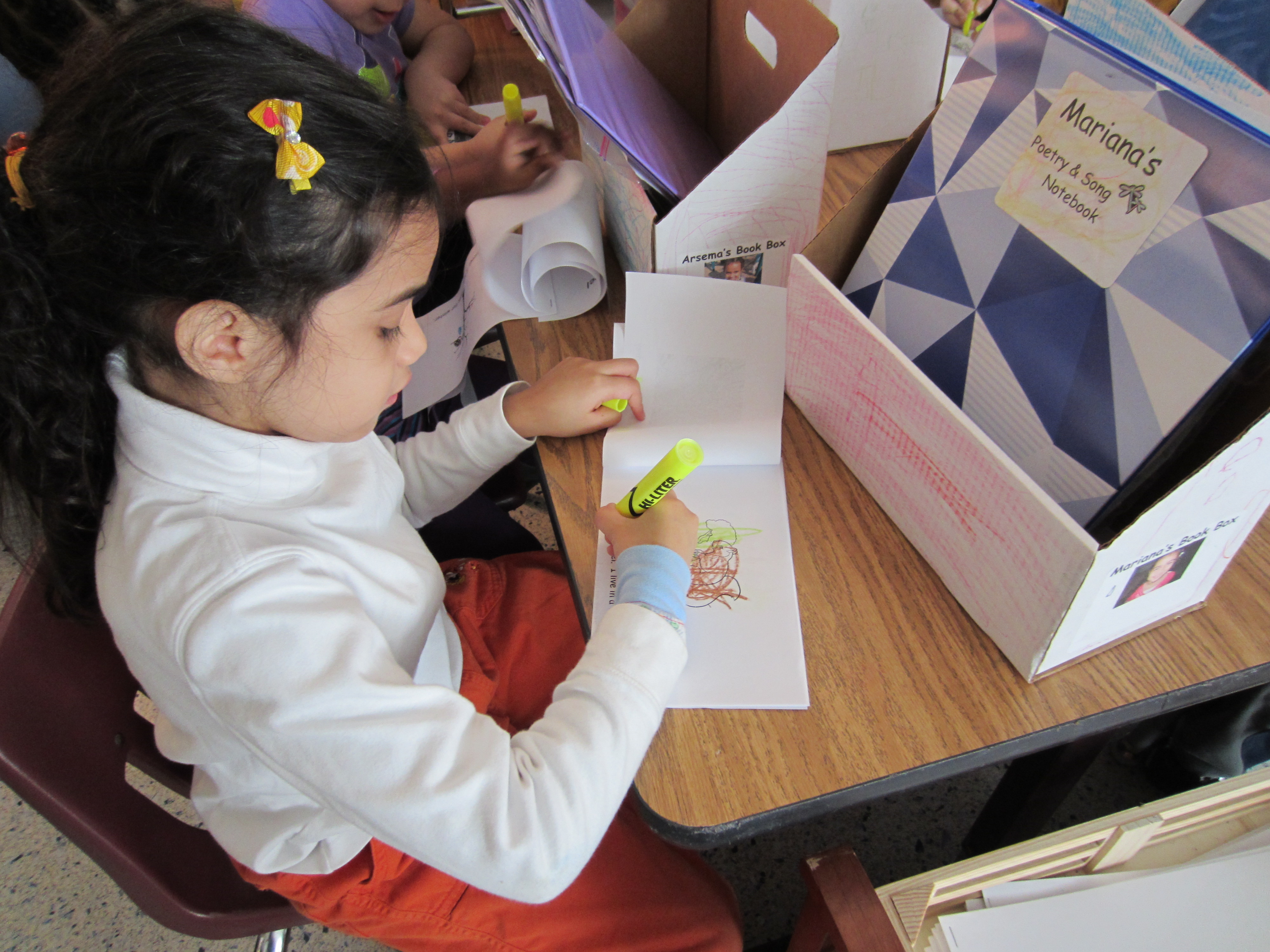
The book boxes also contain a Poetry Notebook where we add poems after we have read them all week during shared reading lessons.  This is a 3-ring binder. I copy our new poem each week and we add it on Friday. Students illustrate the poem and take home the notebook every Friday to share with families. The Poetry Notebook is returned on Monday. (and yes, they are all returned – students LOVE reading from these all week, so they are really good about returning them) Students can also add 3-5 books from our classroom library as “look books”. These are favorites that have been read aloud or books that interest kids from our library. Students know they can read the pictures in these books, even if most of them can’t read the words.

During shared reading I often use highlighter tape to highlight words we know from our word wall. The words that go on our word wall are high-frequency words that children are using a lot in writing and seeing in our shared reading texts. I also use the Fountas and Pinnell lists from their Phonics books to decide what words to focus on each week. We add 3 new words each week. We do a great deal of word work with our shared reading texts on large chart paper. These shared reading texts are put into student book baggies as paper mini books. During our book box independent reading time, students can get a highlighter pen and look for words they know from our word wall in the books from their baggies. (just the paper books!) I stress the importance of reading the book first, as I always want the focus to be on reading continuous text and making meaning from the reading.  This activity allows the students to try this task on their own, in the books they are able to read from their book boxes. I model this very explicitly, as I don’t want it to turn into a “let’s color our book yellow” activity. Highlighters are a very fun tool for our young learners! We started with everyone finding one word from our word wall and highlighting it. The next time we looked for two specific words. After a few times of doing this whole group, I put out the highlighter pens and invited the children to do this for any of the word wall words during book box time.


These paper books stay in the baggies for several weeks, and then I send them home for the kids to share with families. I sent home a sturdy freezer Ziploc bag with a label saying “Books I Can Read”. I tell the students to keep these books at home in a safe place and to continue reading them at home. For students who do not have a lot of books in their house, this provides one way to keep books available at all times.

Using mini books and poems as shared reading texts and then putting these in book boxes has allowed everyone in the class to have a wide variety of texts they can read during independent reading time. There are many great places out there to look for mini books (see below for a list of some links) and of course, you can always create your own. My teammates are experts at creating books for our kinders to read based on the curriculum and what our interests are. When the kids are engaged and interested during independent reading time, you’ll have a hard time getting them to put the book boxes away!

How are you making sure your readers have lots of “just-right” texts at their fingertips?

Links to find mini books for making into charts for shared reading:

http://mrsjonesroom.com/teachers/minibooks.html

http://www.hubbardscupboard.org/printable_booklets.html

Pinterest also has some great links for printable books