Wondering #1 – How can I set the classroom up to honor participation and relationship?
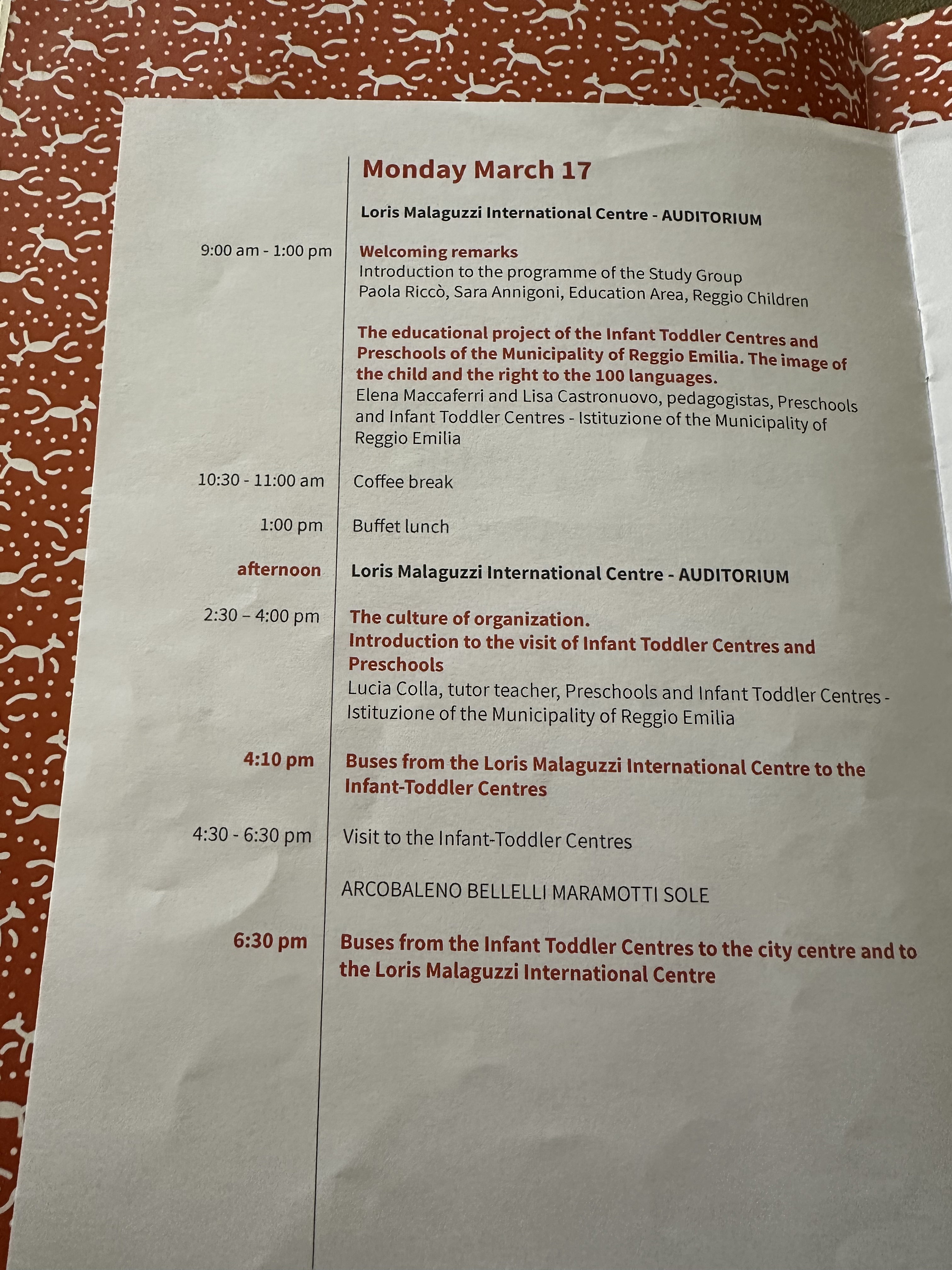
I was fortunate to be a part of a Reggio Emilia Study Group with the Vancouver Reggio Association in March 2025. I filled a notebook with words, my brain with wonderings, and my heart with joy and a sense of what’s truly possible in education. It’s an experience like no other – a tapestry of professional growth and personal growth in one full week of joyful learning, connecting and collaborating. This is the first in a series of posts as I compile my reflections on my week at the Loris Malaguzzi International Centre, the schools and the community of Reggio Emilia, Italy.
“The environment should act as an aquarium which reflects the ideas, ethics, attitudes and culture of the people who live in it.” Loris Malaguzzi
As I look back at my notes from day 1 in Reggio Emilia, I’m left with more questions than answers. This happens often when immersed in the pedagogy of Reggio Emilia. A new school year is beginning and teachers have the privilege of setting up the classroom environment. This is at the top of my mind right now, so I share these wonderings with you, in hopes that it gives you a new way to think about setting up your classroom environment as I ponder setting up mine, with a goal of participation and relationship.
“Participation is the way to live in day-to-day relationship. Participation gives substance to rights. It is a way to achieve being a community.” Elena Maccaferri and Lisa Castronuovo, pedagogistas
What if we considered participation as a metaphor for relationship and learning? We participate to have fun and for joy. So how can we encourage participation in our classroom? Participation that children choose willingly and joyfully. I’m thinking of a new way to define “participation” – a definition that goes beyond doing what the teacher says. Rather, participation as a way of relationship and community.
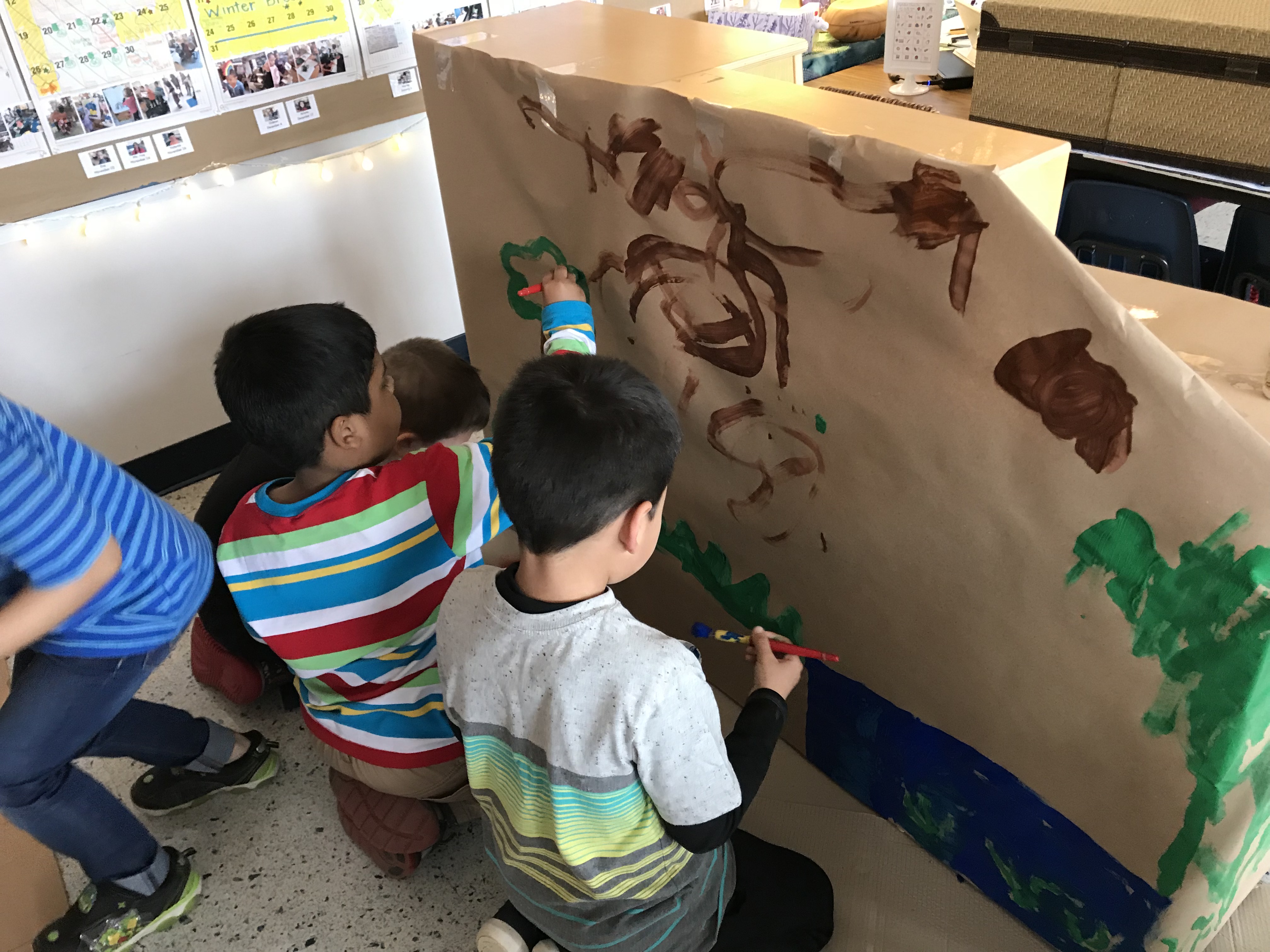
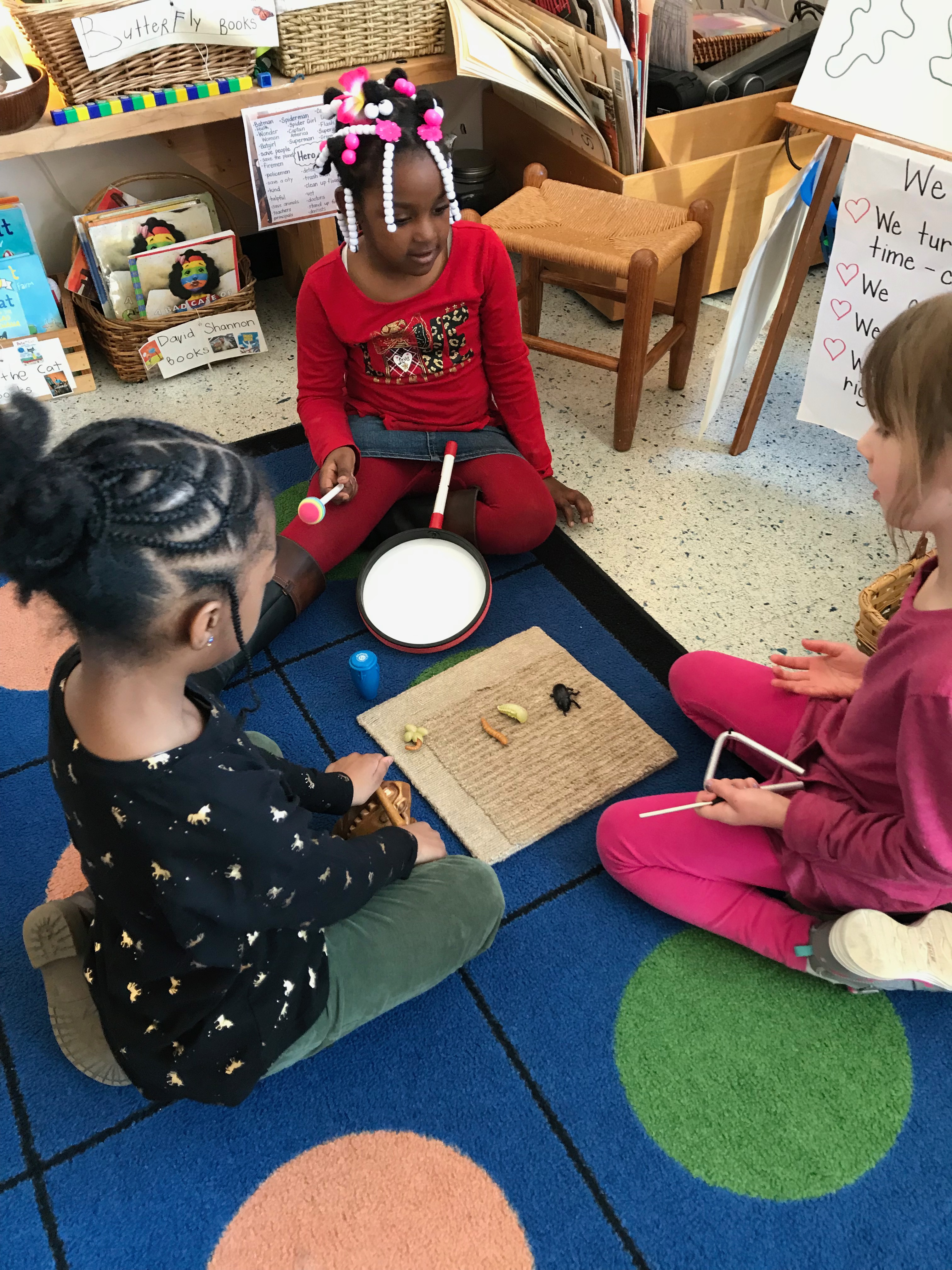
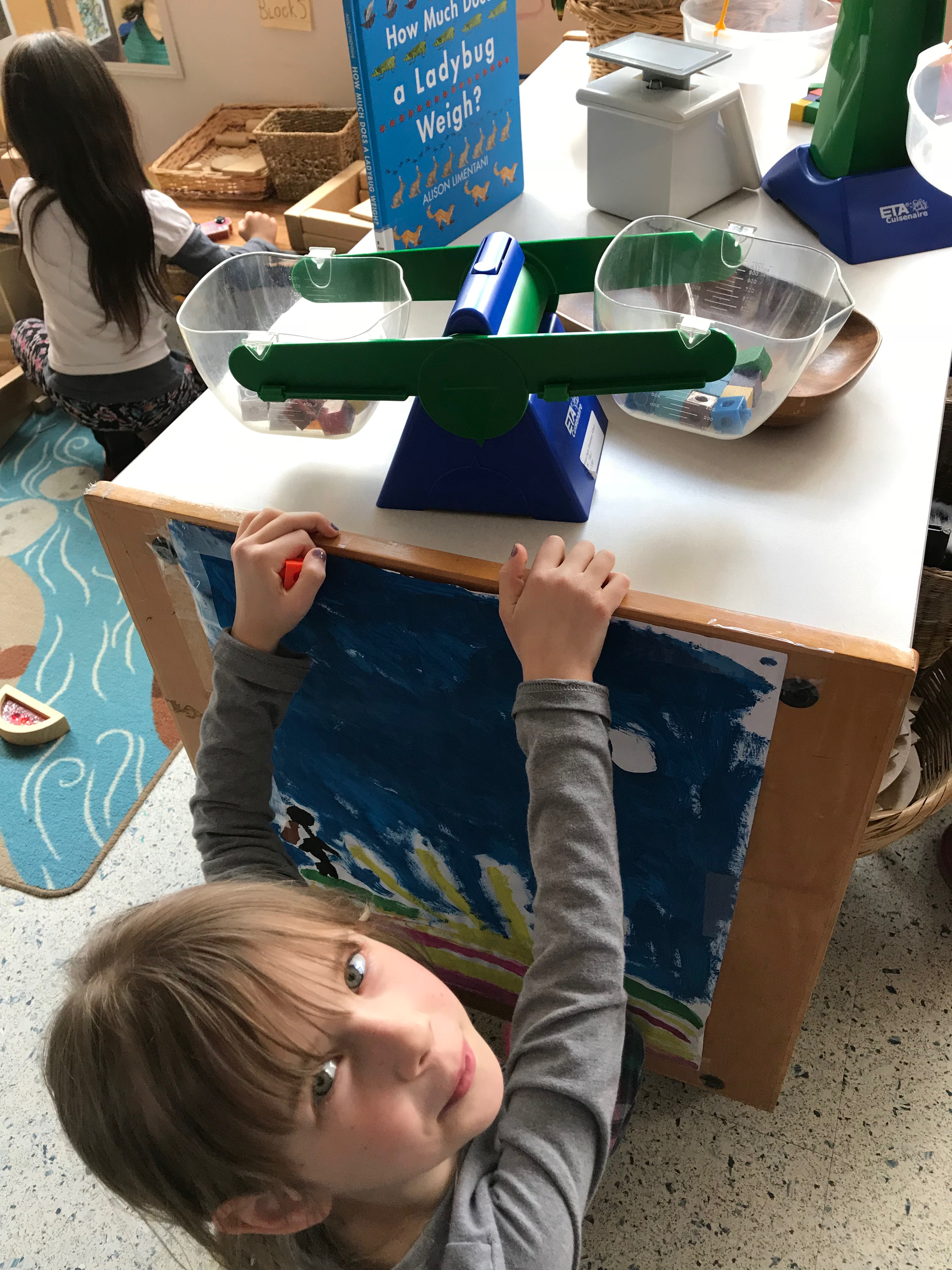
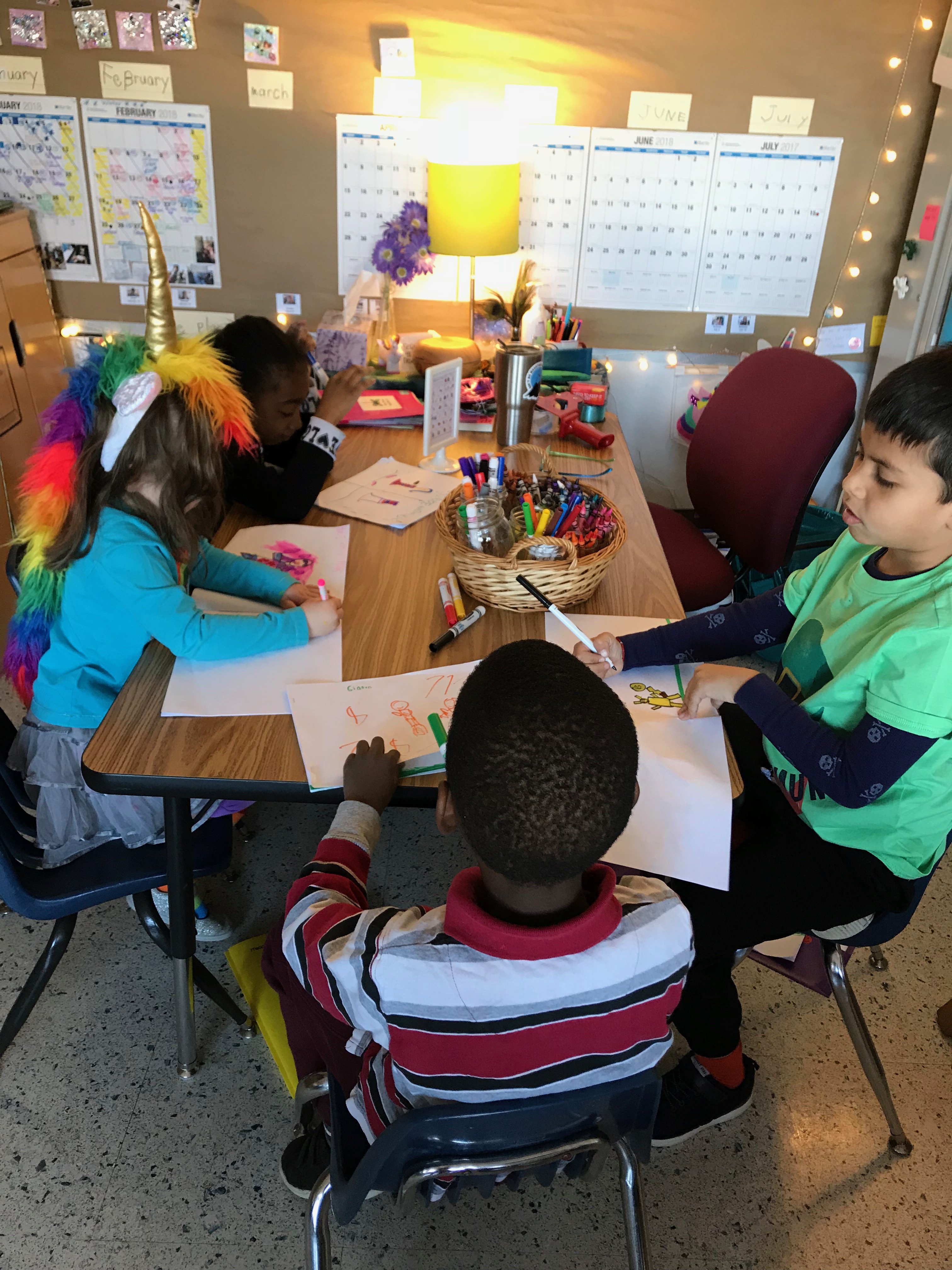
What if we considered that the body is fundamental to learning? It’s where our sense of being in the world lies – with listening, feeling, being and becoming. How might this change our thinking as we plan the classroom space? For me, this means paying attention to the aesthetics. What senses are activated as I enter the classroom? What do children hear, smell, feel, see? What invitations are available for children as they explore the classroom? Can I invite children in to their space without having to say, “no, don’t touch, that’s for later, etc..”? Is it truly their classroom? Can they find cozy spaces with things familiar to them – such as family photos, favorite books from prior grades, stuffed animals of favorite characters, invitations to play with colorful and interesting objects? I want to fill my classroom with natural lighting or lamps, not the harsh overhead lighting. I will have larger areas for children to move and areas that are more compact, where children can make a tent or fit themselves into a smaller space. There will be a large group gathering area that is surrounded by shelves with our classroom library, so children feel like they are being hugged by favorite authors and the books we will love and learn with. I will have spaces to explore sensory materials, such as sand and water. I will have tables for children to work at, as well as spaces to stand and work or be on the floor. I don’t assign seats, as I believe that children can choose where they work best. This is something I will teach right away. Giving children control of as much as possible will help our classroom community come together and will give children a sense of agency and self-efficacy. I am continually asking myself what I can let go of controlling and hand over to the children. There are a surprising amount of things that teachers think we need to do that children are quite capable of doing! What might you give over to the children this year?
Do our classrooms honor children, who they are and who they are becoming? Do they honor the ideas, ethics, attitudes and cultures of the children and the teachers, as a community? I want to be sure my classroom is a blank page, so to speak, when children enter it. The walls are empty – with the exception of our linear calendar wall, family photos, our daily routines and a few select pieces of art that appeal to me and to children (Kandinsky, VanGogh, Picasso) or collaborative art from previous classes. The rest of the room will eventually be filled with children’s art and the tracks of their learning. I will have the fundamental space set up in a way that reflects what I know about young children and how they learn, but it will have many possibilities to be formed into a space that honors our community. The context is always evolving in response to what I observe and what the children tell me. Last year’s class loved blocks and our block area kept growing. The upcoming class might be the same, or they may need a larger art area. Time will tell. As I get to know them, we will negotiate the space to work for all of us. I want to be sure to keep my classroom clutter-free and well taken care of. I want to be sure that all materials I put out have a specific purpose and are taken care of. I model this and trust that children will take care of things. Children notice the “un-taken care of” in a space and it sends a message. When we take great care of our environments, the children will follow. Our environment is constantly transforming and evolving, as we follow the children and our community as it is being created.
“Care takes care and brings care.” Bellelli School teacher

What are your wonderings as a new school year approaches? How can you help make your environment an “aquarium”, reflecting the community of learners in the space this year?
Check back soon for the next post reflecting on Reggio.

 Catching Readers, Sparking Joy