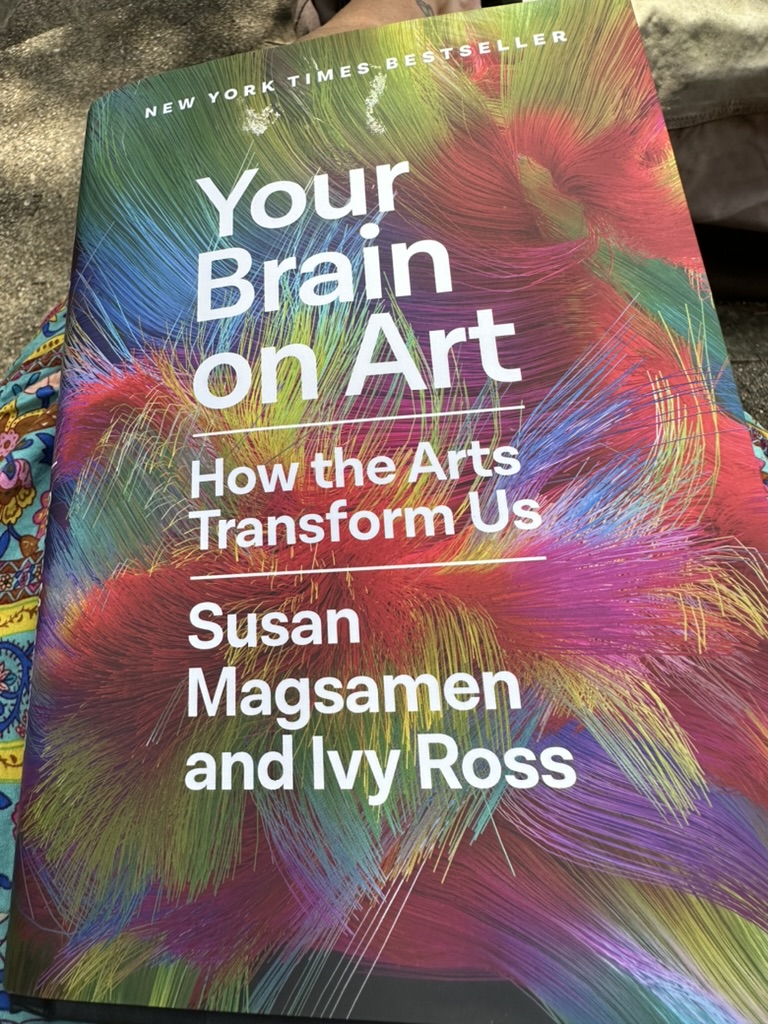
I just finished reading Your Brain on Art: How the Arts Transform Us by Susan Magsamen and Ivy Ross. There was so much to consider while reading this book! The folks at The Studio for Playful Inquiry are doing a book study this month, and I’m excited to dive deeper into this book with others.
I was left with the understanding of how art is (or should be!) essential in our lives – for physical health, for emotional wellness, for connection, for relationship, for making sense of the world we live in, for relating to others, for self-expression, for being fully human – for pretty much everything. The importance of the arts is scientifically proven and well-researched in the field of neuroaesthetics (the scientific study of the neural bases for the contemplation and creation of a work of art). Art experiences should be available to everyone.
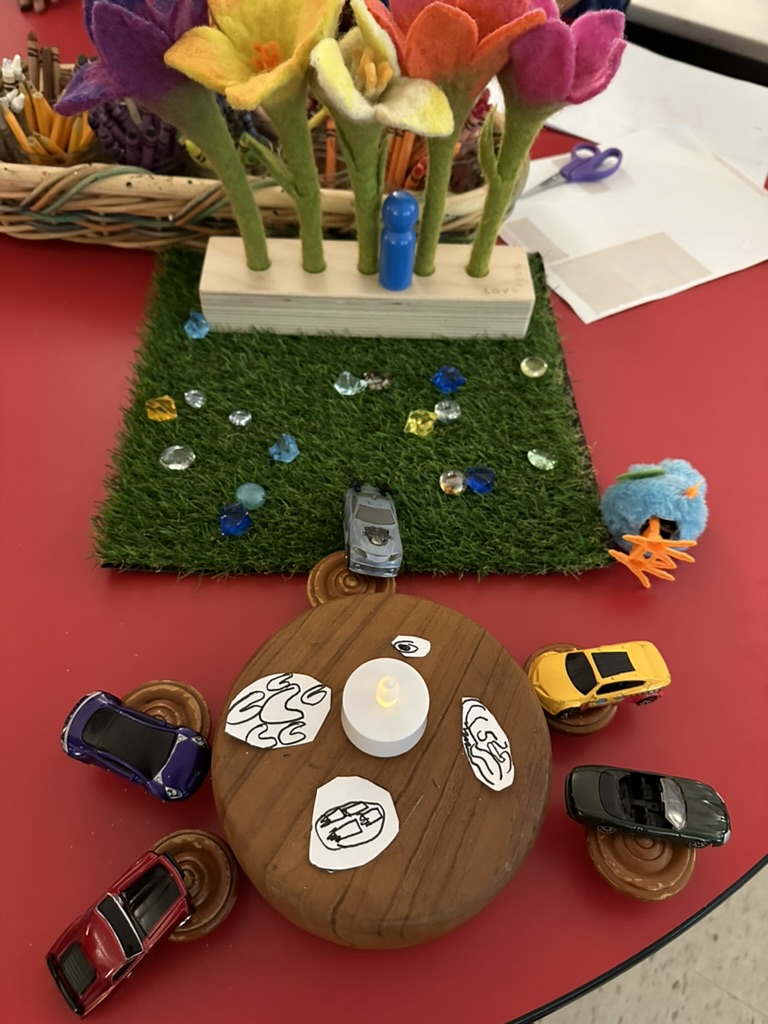
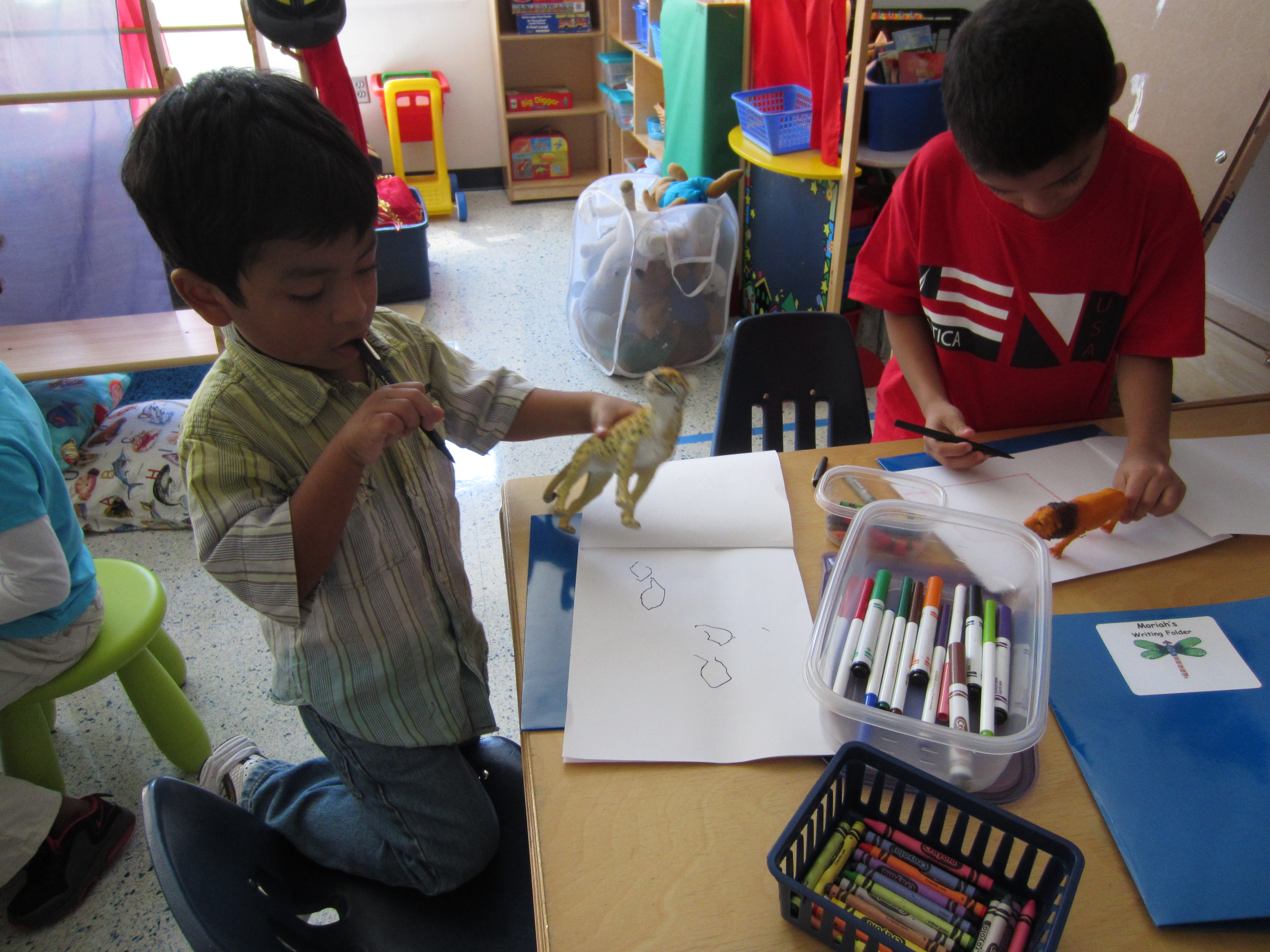
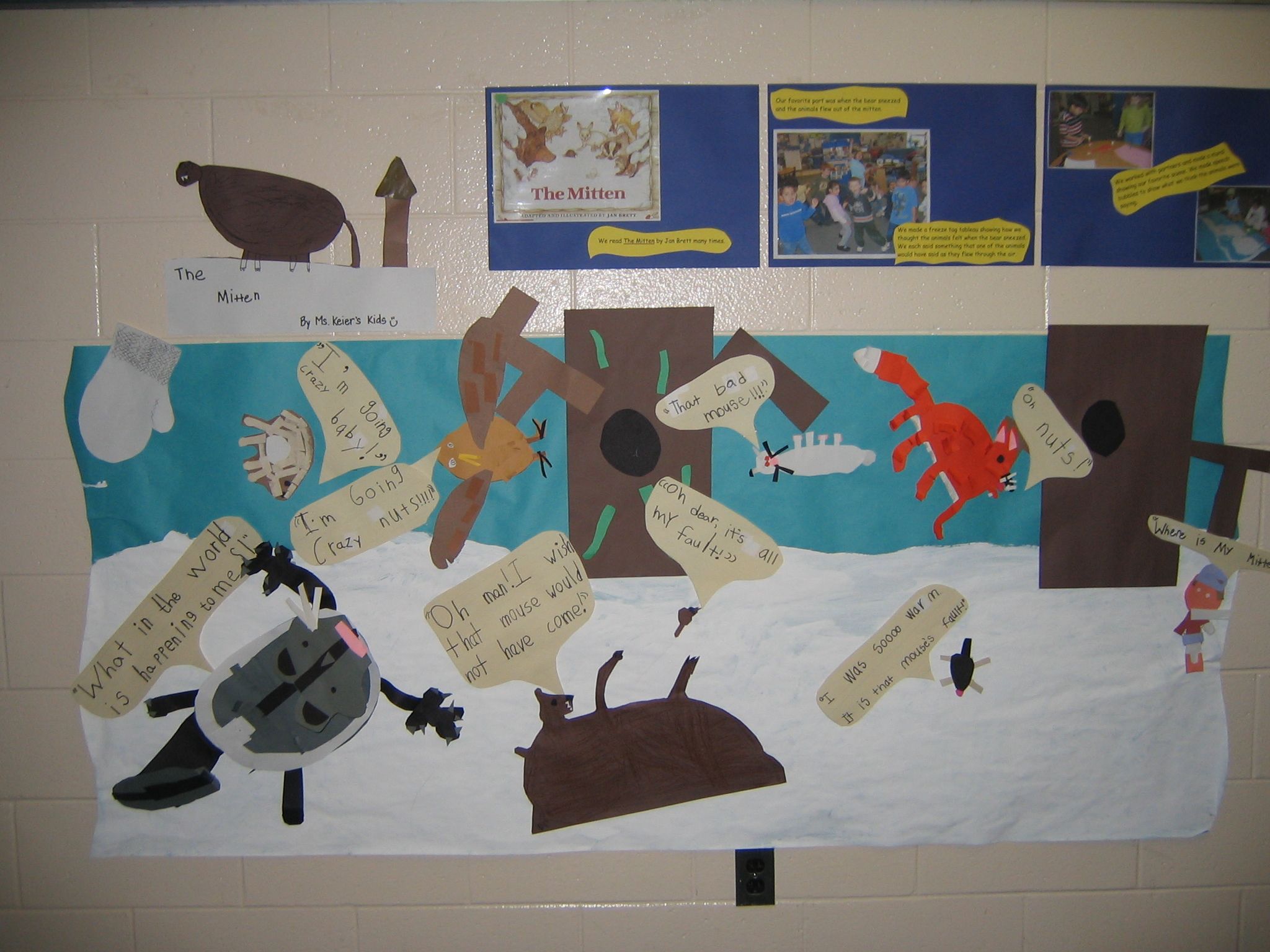
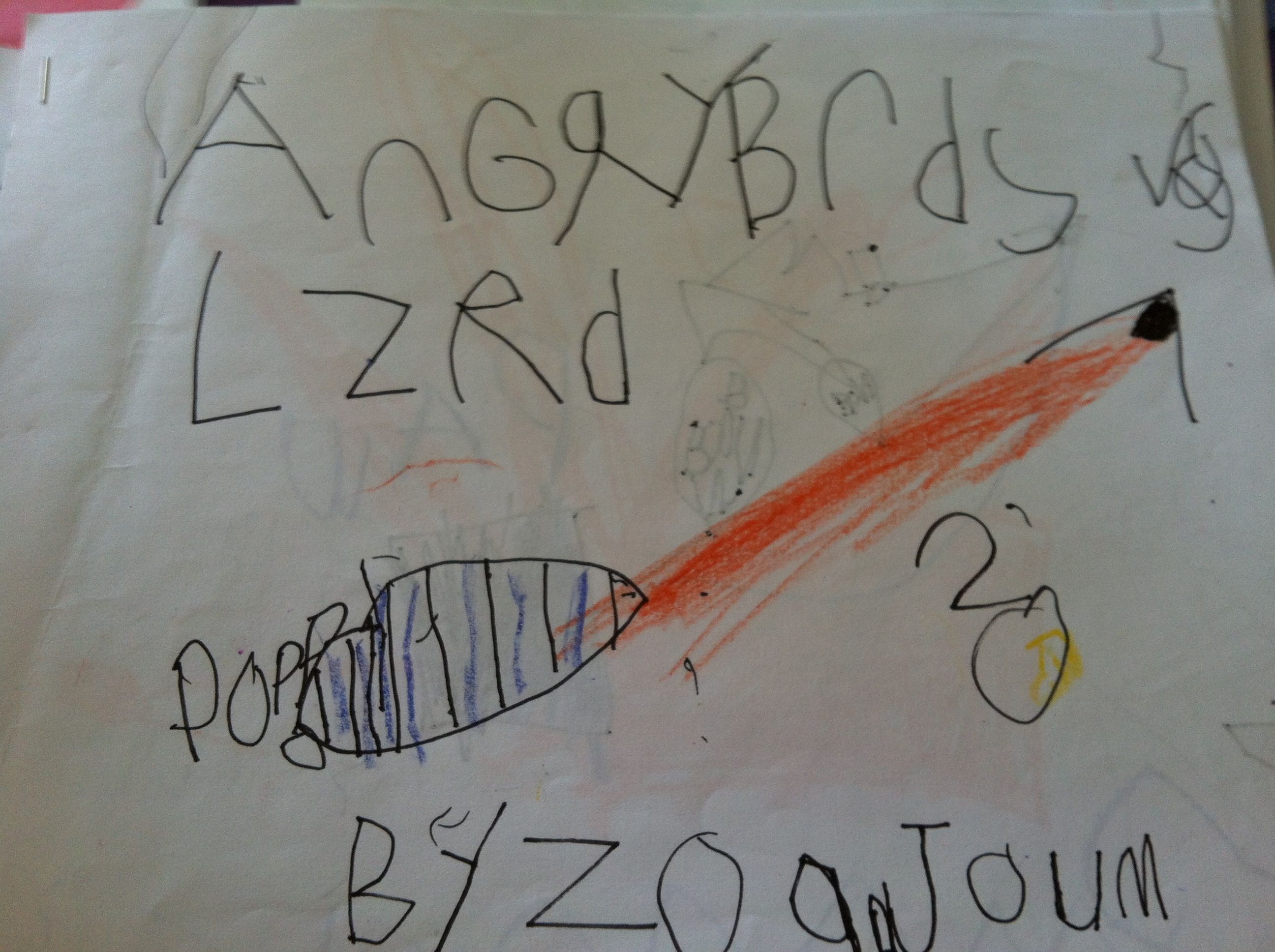
And school is one place we can make those art experiences available! I believe art is a right for children. And to be clear, I’m not talking about crafts – where children are instructed to follow the teacher’s lead and example to create something that looks like everyone else’s craft. I’m talking about art experiences that are open-ended, process oriented (focused on experimenting and exploring materials as one creates), playful, unique and limitless. Art is a way children can play, communicate, process experiences and feelings, use their imagination and negotiate meaning in endless ways. Our art experiences include paper, clay, loose parts, nature, markers, paint, pens, keyboards, drums, rhythm sticks, storytelling, drama, nature walks, light boxes, projectors, pencils, chalk, scissors, wire, cardboard, beads, staplers, tape and more.
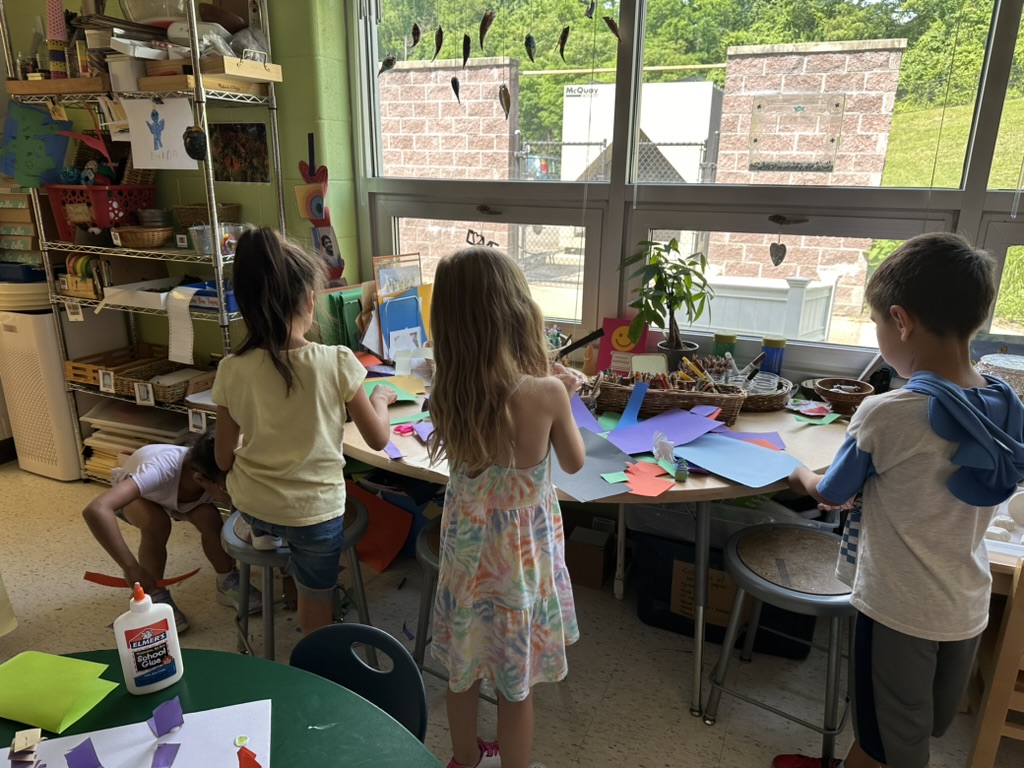
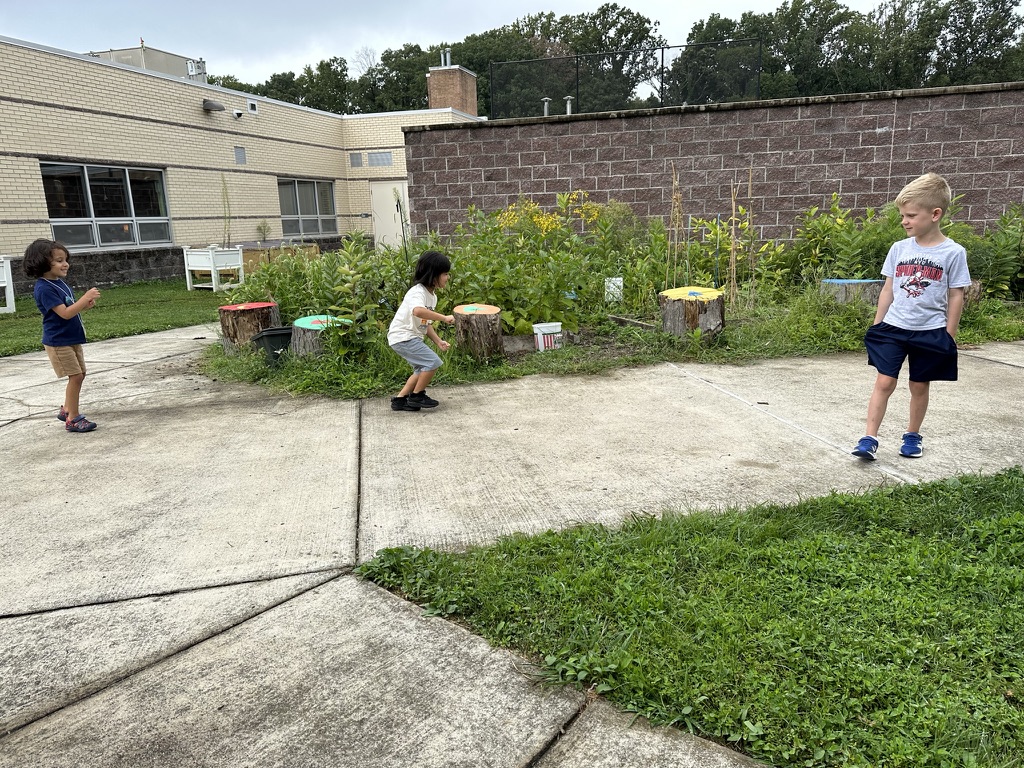
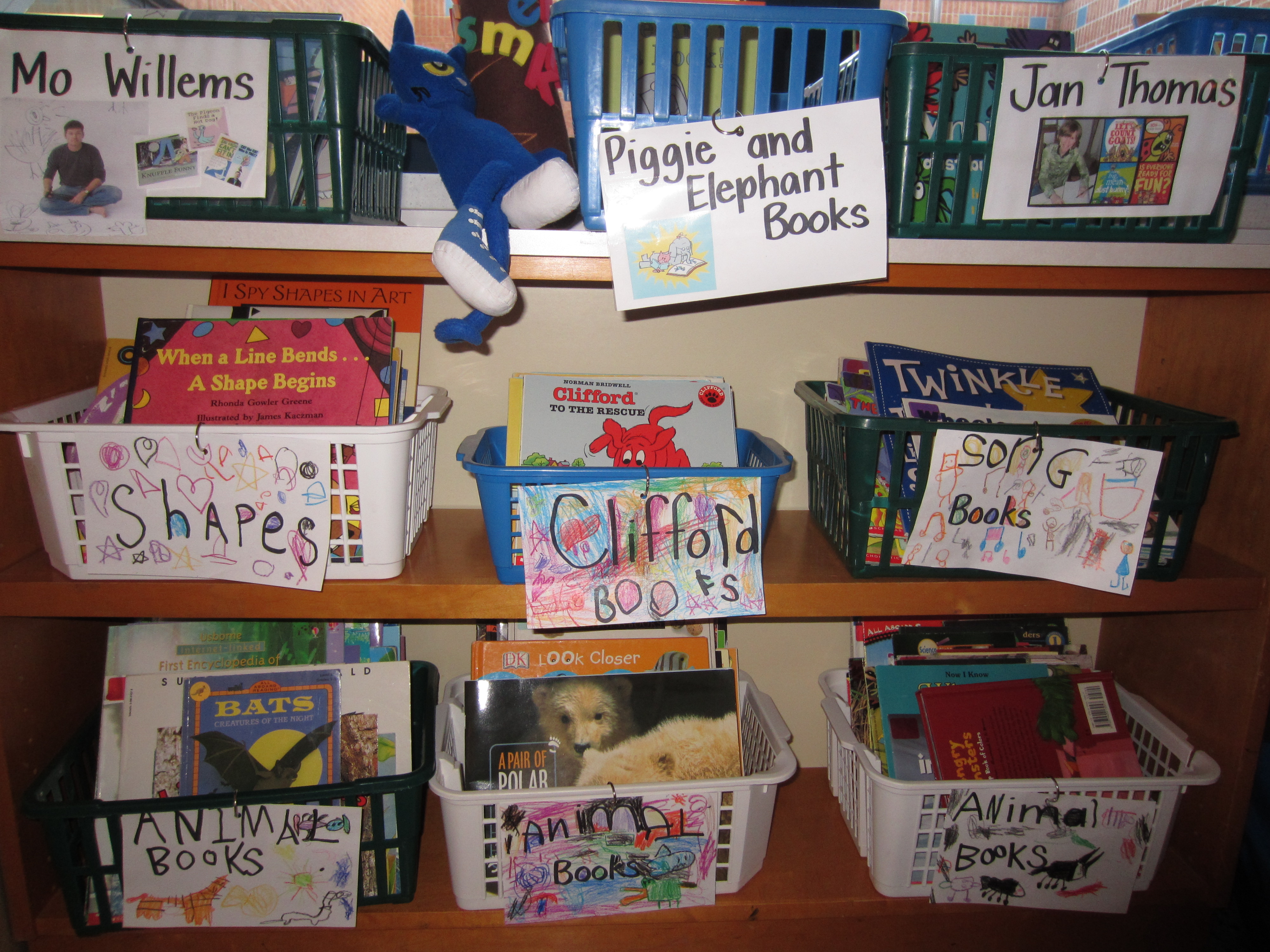
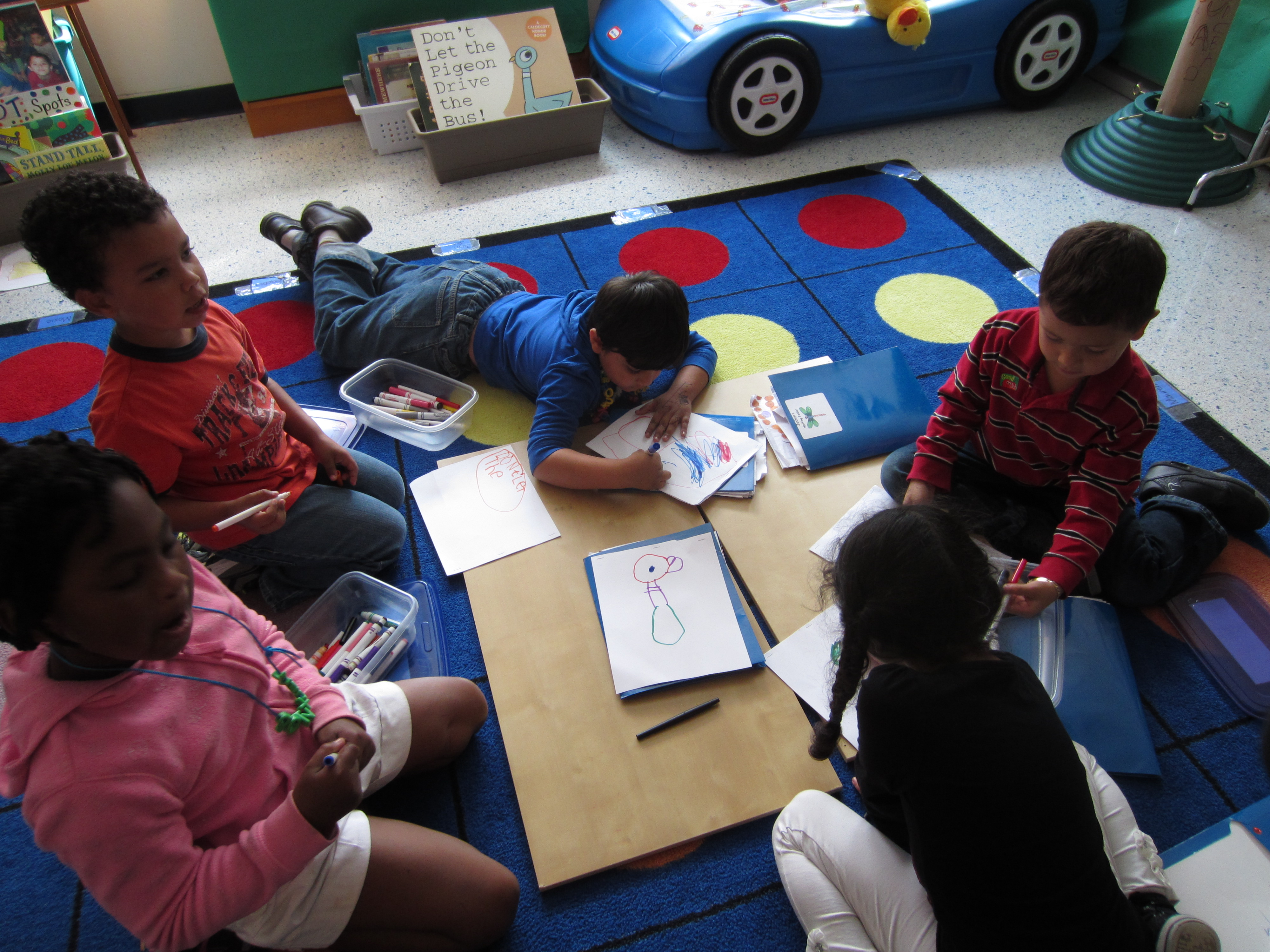
In our kindergarten classroom, the art area is a favorite space to go – and this art area often expands throughout the room – and outdoors. I provide a multitude of materials, adding more things as children request them or when I see that a new material is needed. Materials are displayed and arranged in ways that children can access them independently. Children are invited to make and create in the art center during morning arrival, our Readers and Writers Playshop time and Choice Time throughout the day.
I introduce artists and their works throughout the year. Andy Goldsworthy, Alma Thomas, Howardena Pindell, Wassily Kandinsky, Picasso, Monet, Henri Matisse, Jackson Pollock, Joan Miro, Paul Klee, Fanny Sanin, Bisa Butler, Jean-Michel Basquiat, Jeffrey Gibson, Sonia Delaunay, Alan Shields, Georgia O’Keefe and Alexander Calder were some of the artists we discovered this past year. I also spend a great deal of time talking and learning about illustrators in the books we read. I teach the children to read art with the “I see, I think, I wonder, I feel” thinking routine from Project Zero. Each time we look at art or think about art, I make the connection that they are artists, too – and they might be inspired by the artists we get to know, or each other. I want the children to see themselves as artists and to have a sense of self-efficacy surrounding art and being creative. Creativity is an essential piece of our lives and our classrooms should nurture and allow for creative experiences.
“Creativity seems to emerge from multiple experiences, coupled with a well-supported development of personal resources, including a sense of freedom to venture beyond the known.” Loris Malaguzzi
How can you provide experiences and creative opportunities and invitations for the children you teach? How can art become another language in your classroom? And what might that mean for you, as an educator? Having a “sense of freedom to venture beyond the known” makes me think of limitless possibilities for children, and for us as educators. I think art can provide that space for us.
 Catching Readers, Sparking Joy