I’ve been thinking a lot about beliefs lately. At the start of my Literacy Instruction and Assessment graduate course, I asked my pre-service teachers to write a “This I Believe” piece, reflecting on their beliefs as they begin our course. We will revisit these at the end of the course and see how our thinking has evolved. Doing this in my graduate program several years ago was a meaningful writing experience that I’ve revisited frequently. I think it’s important to continually revisit our beliefs and more importantly, ask ourselves…How does our practice reflect those beliefs?
Every move we make in our classroom speaks to our beliefs. Everything we do sends a message to our students, colleagues and families. And our practice needs to reflect our beliefs. I share two of my beliefs below. I feel like these are ones I hear other educators talking about. Perhaps you can relate, as well.
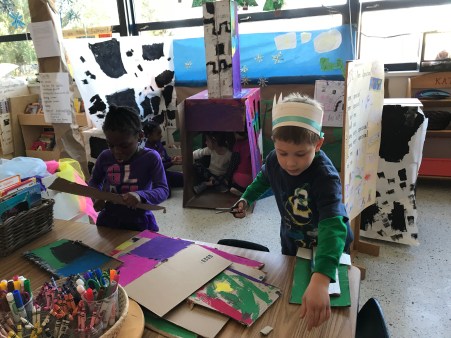
If we believe children are capable and we promote independence and problem solving, then…do we have a seating chart? Do we require children to sit in a certain way on the rug? (I’m talking to you, criss cross applesauce) Do we require straight, silent lines in the hallway? Do we hand out supplies like scissors, glue, tape, staplers when we think they are needed? Do we stick to a strict pre-determined schedule? Or…do we allow children to choose where and how to sit and move their bodies? Do we teach them how to be respectful of other learners in the school? Do we make supplies accessible all the time, for children to choose when they need them and how to use them? (yes, kindergarteners can use staplers independently) Do we negotiate the daily schedule to meet the needs of our learners that day? Do we honor and respect children and trust that they can make good choices about what they need – and if they aren’t able to, do we coach and help them learn how to make good choices?
If we believe school should be a meaningful and authentic place of learning, then…do we tell children what they have to write about? Do we only allow children to read books that are on “their level”? Do we stick to the standards and curriculum and not allow time for inquiry and child initiated learning experiences? Do we allow pacing guides, standards or other outside forces to drive our teaching? Or…do we honor choice as a key element of everything we do from readers and writers workshop to play time? Do we teach reading and writing from a place that considers what readers and writers REALLY do? Do we use leveled texts as ONE PIECE (for teachers) of our readers workshop, and provide lots of time and choice for children to read self-selected books regardless of the level or genre? Do we provide lots of opportunities for authentic talk because learning is social? Do we set up learning opportunities based on what we see and hear in our current classrooms, following the children’s interests? Do we teach children first, not the curriculum?
I had the pleasure of hearing Vicki Vinton speak at NCTE this past November. It was a powerful talk, and left me with much to think about. She reminded me that Reggio Emilia is the alignment of beliefs and practice. This speaks to me louder than ever. I’ve been questioning so much of my practice since leaving her session and have been challenging myself to truly look at my beliefs and how they are reflected in my practice. I challenge you to do the same. It can only make us better, more thoughtful educators. And isn’t that what our kids deserve?
What are your beliefs? How does your practice reflect these?


 Pat and I wrote about the importance of integrating strategies in Catching Readers Before They Fall. We love the analogy of an orchestra. In a symphony orchestra, all the instruments blend together to form incredible compositions extremely pleasing to the ear. The strategies in the head of the reader combine together to make meaning of the text just as each instrument joins the musical composition perfectly in tune with the others.
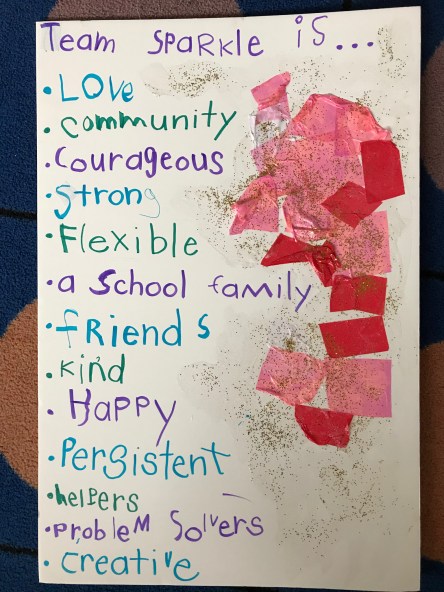
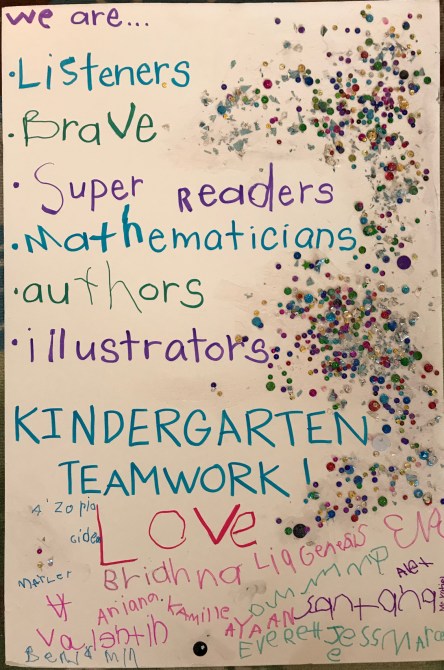
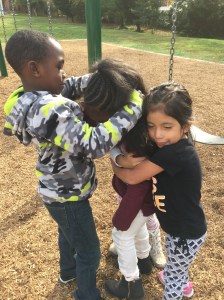 When I was a kid I was terrified of bees. Add tornadoes and getting left in a store after closing time and you have my top 3 fears as a child.
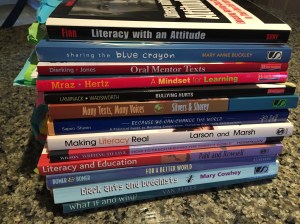 As I tend to do, I’ve reached for books over the past month as my comfort and my light. My professional mentors reminded me of what’s important, what’s necessary and what I must do as a teacher. My teaching must go beyond one to one match, directionality and making connections. Way beyond.
 Catching Readers, Sparking Joy