#nf10for10 Nonfiction Picture Book Event!

Screen Shot 2013-02-04 at 11.55.24 PMIt’s the 10 for 10 Nonfiction Picture Book Event! We are joining up with many of our Twitter and blogging friends to participate in this event celebrating nonfiction books. Check out the jog here to see all the other posts sharing favorite nonfiction picture books!

Children love nonfiction. It engages, excites and helps children wonder, reflect and celebrate the world we live in.  Here are a few of our favorites. Enjoy!


Pat’s Picks:
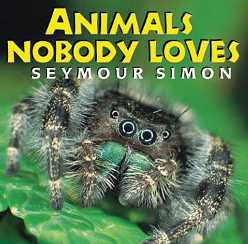
51BL21P6hlL._BO2,204,203,200_PIsitb-sticker-arrow-click,TopRight,35,-76_AA300_SH20_OU01_Anything by Seymour Simon is so well-researched and beautifully written.  Kids love reading about these animals who have been given a bad reputation.  Simon tells us, “Animals are not bad or evil.  They do what they must in order to survive.”  This one is written in easy-to-read text, but a few pictures might be too graphic for the very young.
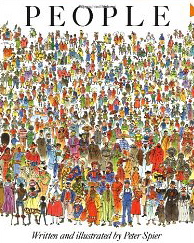


6146nrCbOwL._BO2,204,203,200_PIsitb-sticker-arrow-click,TopRight,35,-76_AA300_SH20_OU01_Yes, it’s been around a long time, but People, by Peter Spier, has always been a favorite of mine.  Of course, it’s perfect for helping kids realize the variations in homes, written languages, games, traditions, and so on, around the world. Not everyone considers the same things as “beautiful”, nor does everyone have the same tastes in foods. I love the message brought home on the last two pages of illustrations. “But imagine how dreadfully dull this world of ours would be if everybody would look, think, eat, dress, and act the same!”  This book pairs nicely with Mem Fox’s Whoever You Are. Both books will lead to great discussions, not only in schools with diverse populations, but in all schools.
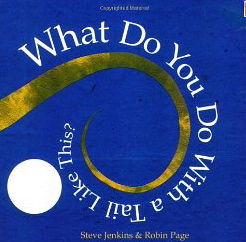
512-77Vd+aL._BO2,204,203,200_PIsitb-sticker-arrow-click,TopRight,35,-76_AA300_SH20_OU01_Steve Jenkins & Robin Page created the wonderful book What Do You Do With a Tail Like This? which is a Caldecott Honor Book.  I’m sure many of you already own this one!  It’s fun to learn what various animals do with their feet, eyes, ears, noses, and tails. I love the big question on a two-page spread (giving time for kids to wonder) and then the way the text is placed in so many different ways when the answers are given.
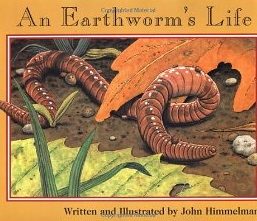


51M-XAFUa5L._BO2,204,203,200_PIsitb-sticker-arrow-click,TopRight,35,-76_AA300_SH20_OU01_With only one or two lines of text on each page, I’m amazed at how much information John Himmelman squeezed into his book.  Earthworms are so easy to find and set up for observation in the classroom.  My favorite part is when a little boy picks up the earthworm and moves him to the garden to avoid getting stepped on.  A good book for talking about respect for all creatures.


Here are three other titles that a librarian friend recommended to me that I have yet to find, but certainly will, because she never steers me wrong!
51HjAPgVnTL._BO2,204,203,200_PIsitb-sticker-arrow-click,TopRight,35,-76_AA300_SH20_OU01_

   51u-04HNT5L._SL500_AA300_51Qb7MzOl0L._SL500_AA300_

Katie’s Choices:

41kQ77hBvbL._SL500_AA300_Beautiful photographs and equally beautiful language make Step Gently Out a wonderful book to help children notice the world around them.
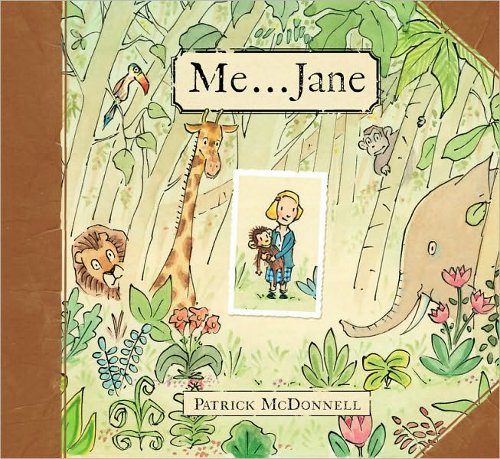


me-jane-coverMe…Jane is an amazing book that tells the true story of Jane Goodall. It inspires children to follow their dreams and live with wonder. It is written simply and is accessible to our youngest learners – and our older elementary or middle school students will also enjoy the story and the inspiration that Jane gives.
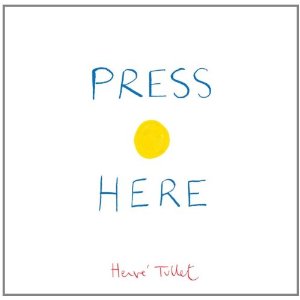


41fphodps0l__sl500_aa300_Press Here is one of the coolest books I’ve read in a while. It holds children spellbound as they interact and use their imagination in this magical book.
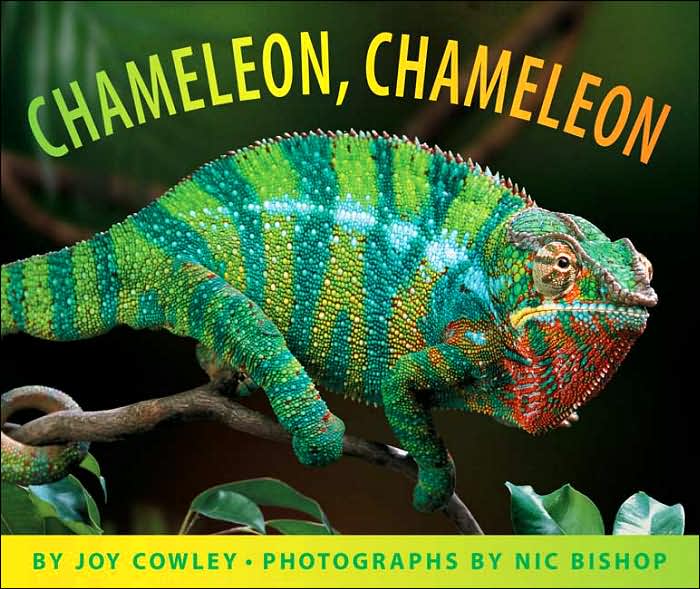


9780439666534-1Chameleon, Chameleon is a class favorite! I use this book early in the year as a writing mentor text. The children love the repetitive, yet rich, language and the detailed photographs. It is an excellent nonfiction text to read and reread.
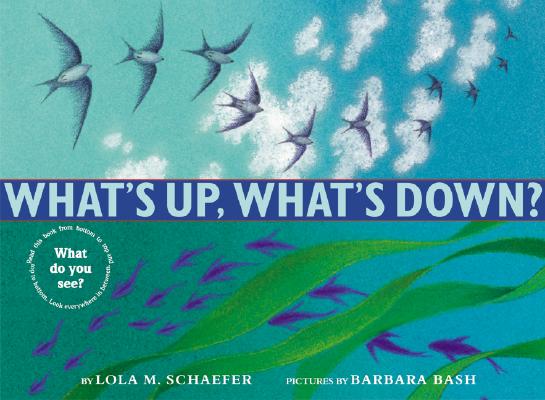


What-s-Up-What-s-Down-9780060297572What’s Up, What’s Down? is a book that is read in a variety of ways – from the bottom up, from the top down, sideways. It takes the reader on an exciting and engaging journey from many perspectives. Children will enjoy this fabulous celebration of nature as they read and interact with the book.


Thanks to Cathy and Mandy for starting this fun event! What are some of your favorite nonfiction books to read with children? Please share!

Signal Words

OLYMPUS DIGITAL CAMERAI first start thinking about developing a lesson on “signals and signal words” (a few years ago) after reading a short Nonfiction text with some 5th grade English Language Learning students.  When I wanted to return to some of the new vocabulary that had been presented in the text, I realized that the students had missed all the signals the author included.  I supported those students back then, but the incident kept me thinking, “Perhaps we need to be presenting mini-lessons on this idea earlier.”

OLYMPUS DIGITAL CAMERASo when a 3rd grade teacher asked me recently to model a whole class lesson that would support her students reading nonfiction text, I developed this lesson. I thought I’d share it with others in case you have some students who are running into similar difficulties.

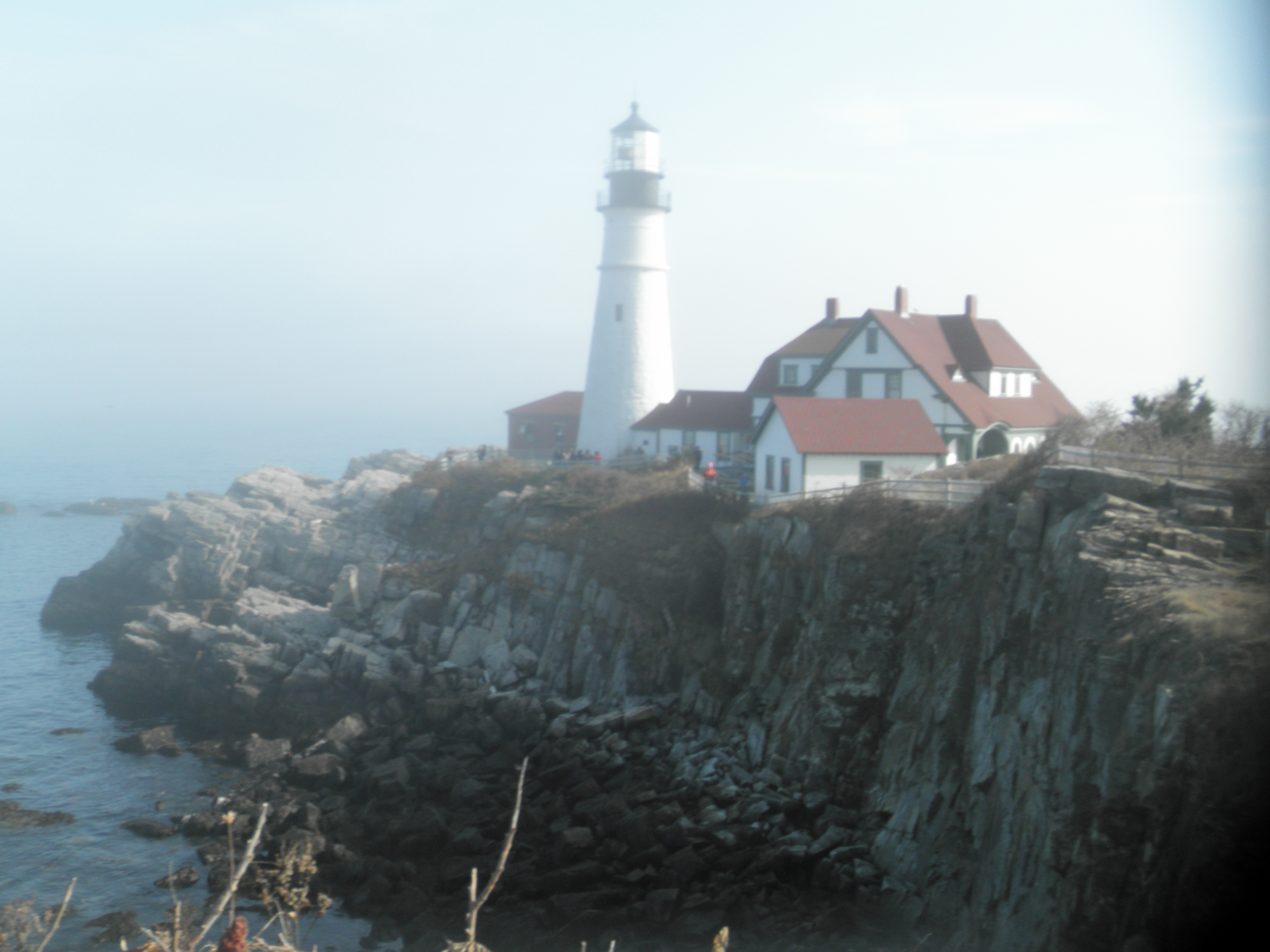
I began with a picture of a lighthouse and asked the students to do a quick turn and talk to a partner, “What is in this picture and what is it for?” Of course, they identified the lighthouse and said its purpose was to send out signals or warnings to the sailors so that the ships wouldn’t come close to the rocky coastline. (You’ll see how I carried that metaphor through my lesson below.)

Next I made sure the students knew the difference between Fiction and Nonfiction (NF) and they all did.  I asked if they noticed that NF often had bolded words or vocabulary that was printed larger or italicized. Then I continued, “We read NF to learn stuff, right?  And the authors who write the NF articles and books WANT us to learn new things.  So they try to help us. When they put in new and difficult vocabulary words, they try to help you.  They are NOT trying to trick you.  They actually send YOU, the reader, signals.  Just like the lighthouse is sending a signal to say, ‘Hey, look over here, there is something you should notice so you stay safe’, the NF author is sending you another kind of signal. It’s like the author is saying, ‘Hey, look over here.  This is where I am telling you what the hard word means.'”

Because I believe in demonstrating my thinking first, I shared several NF passages with the students.  Here are a few I shared using the document camera so that the text was large enough for all to see.

Over 800 species or types of bats feast on pesky insects that damage crops or spread disease.

Because octopuses are invertebrates, meaning they don’t have backbones, they can squeeze themselves into small spaces between the rocks to get out of reach of their predators.

Female elephants spend their lives with mothers, sisters, and children.  They form tight-knit herds of 10-20 members.  The matriarch – the oldest female elephant – takes charge.

After my three models, I wanted to turn responsibility over to the students. They picked one passage (out of three more examples) to work on with a partner and we shared their thoughts.

You can probably see where this lesson is going.  We were creating a class chart in two columns.  Signals, such as, dashes, parentheses, commas, etc. and Signal Words, such as,  is called, that is, which means, this means, or, etc.

The final activity was for the students to try this skill on a one-page NF article about fennec foxes.  They could choose to work alone or with one other partner.  The article contained several bolded words.  I asked the students to write on the back of the paper, not only the meaning of the word, but the signal or signal word that the author used to help them. I circulated the room to see which students were successfully using the skill and which students might need more practice in a small group setting.

Feel free to thumb through the power point slides below.  I recently used these to present this lesson to a group of teachers.

Signal word slides

Morning Message

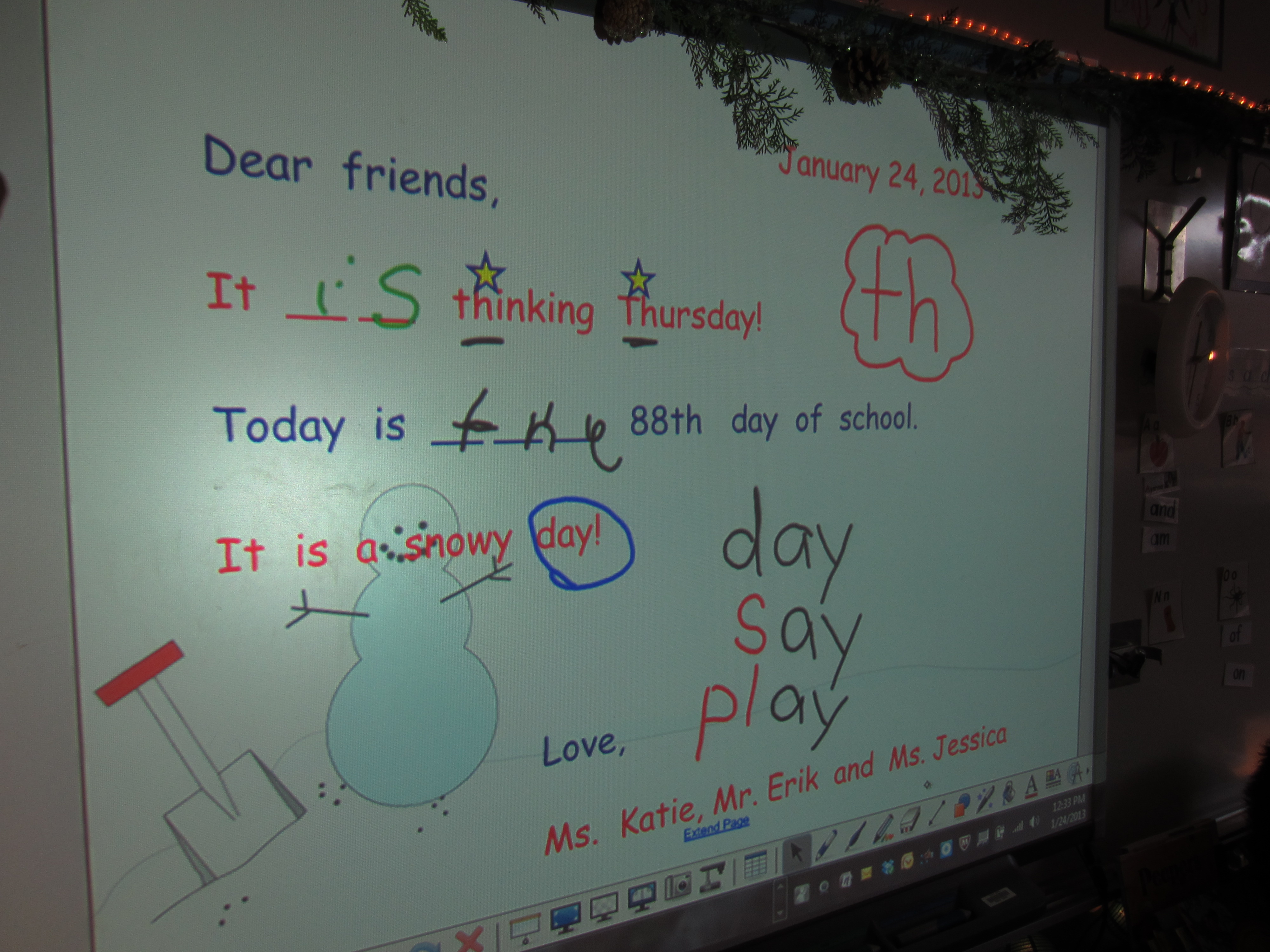
Morning Message on the SMARTboard

Morning Message on the SMARTboard

I recently sat down with my kindergarten team to look at our standards and do some big picture planning for the upcoming quarter. As we were unpacking the standards, we also talked about where in our day we could best teach the expected curriculum objectives. It became very evident to all of us how critical our morning message is, especially in the area of phonics and word work – but really in all curriculum areas. Morning message is a daily occurrence rich with learning possibilities.  It’s where the heart of my word work and phonics instruction occurs.

Morning message

Morning message

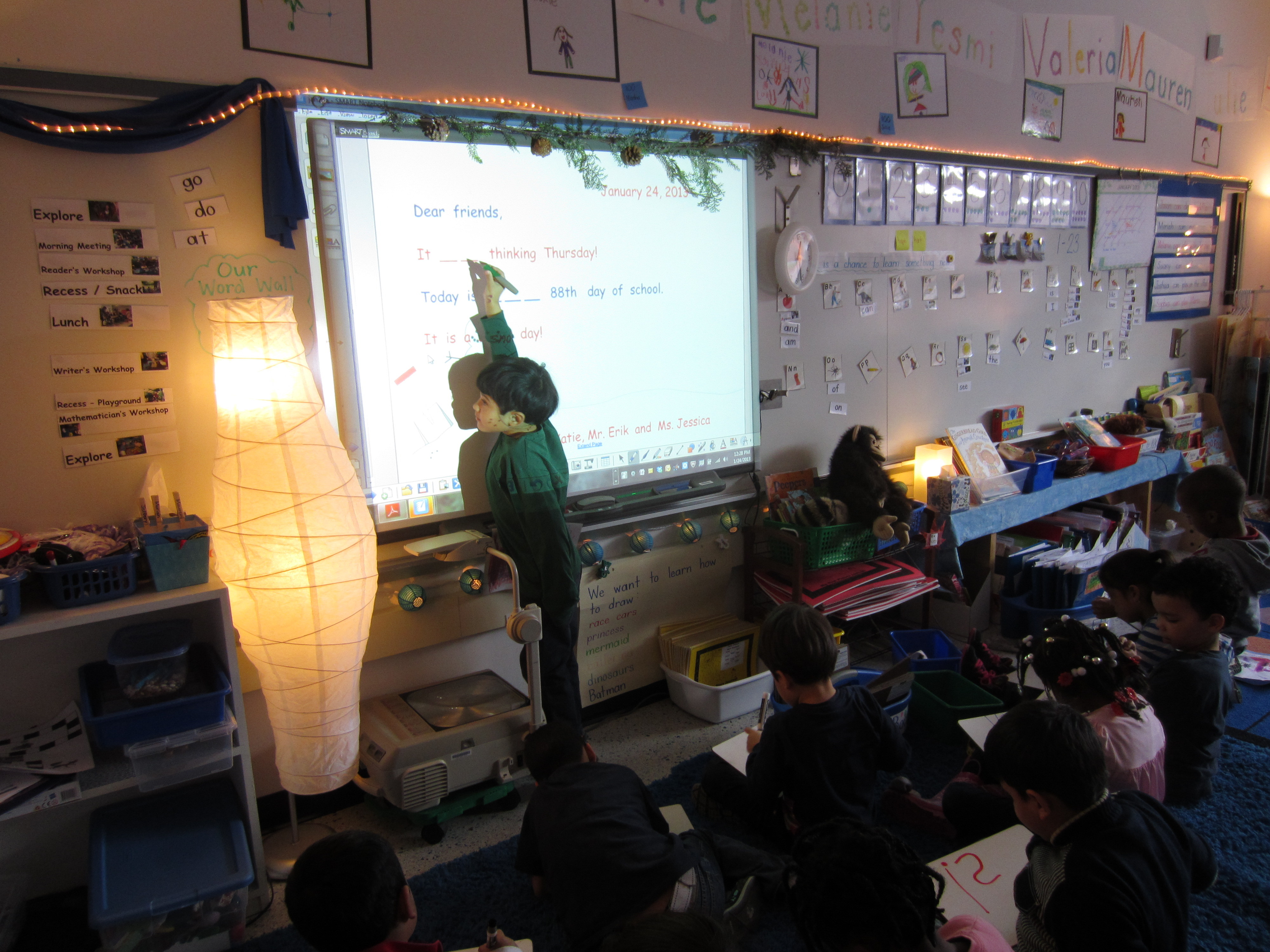
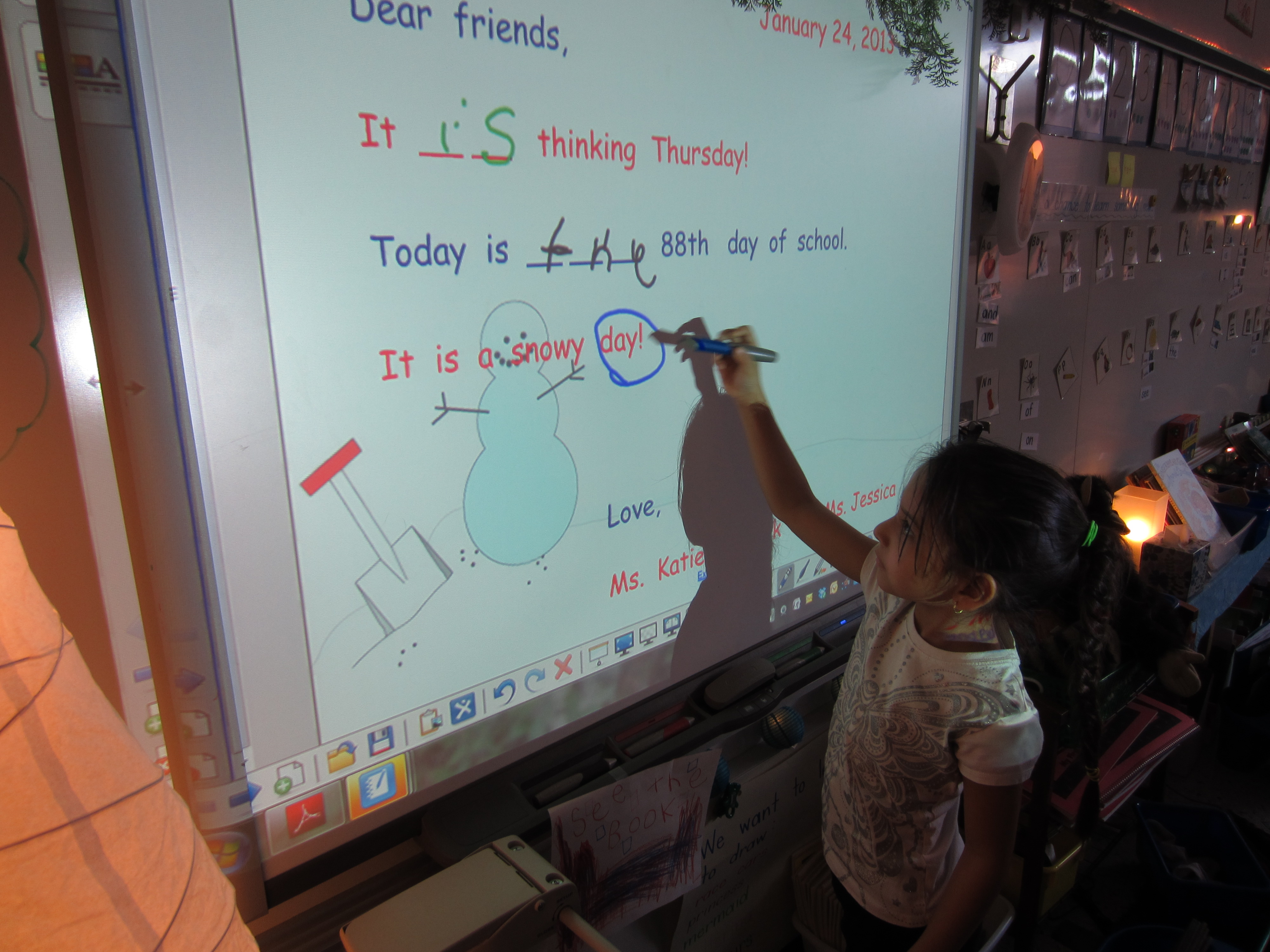
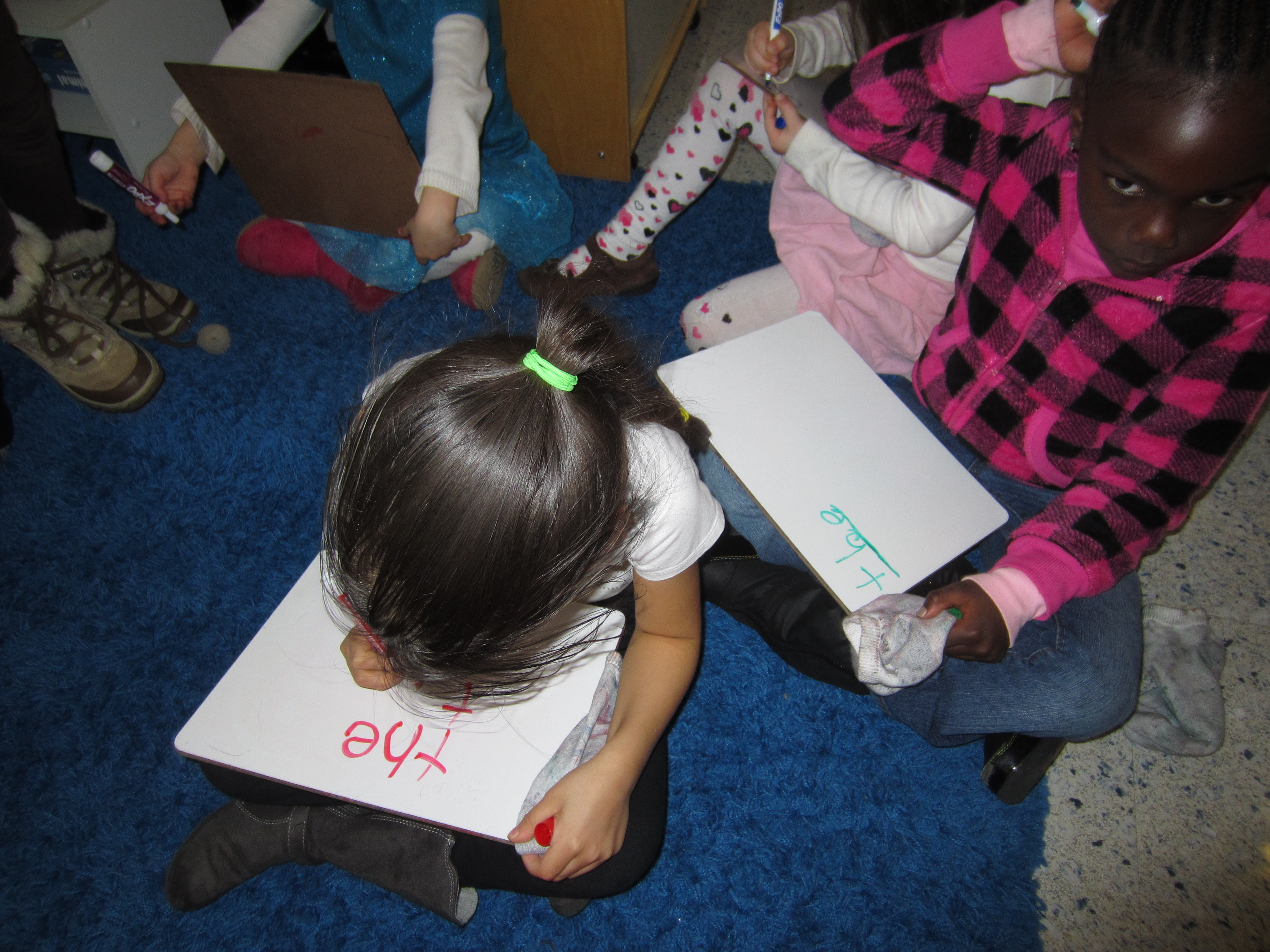
My children come together on our blue fuzzy rug in front of the SMARTboard with their own whiteboard and marker to begin this daily routine. The message is pre-written and carefully planned to address a variety of differentiated teaching objectives and to engage the children in playful learning. I often include pictures of the students and our classroom, book covers, things we are studying or wondering about, as well as predictable text that children can read. There are places for the students to fill in missing words and opportunities for them to interact with the message as we read and respond to questions within the message, circle or highlight words we know or things we notice, and fill in high frequency words to make our message make sense and sounds good.

We read it together first as a shared reading experience. Then we go back and fill in missing words and look for things we notice in the message. I ask the children “what do you notice?” and invite them up to the board to show us and explain what they see. The children follow along, writing on their own individual white boards while one child is writing on the SMARTboard. Children may notice familiar high frequency words, letters that are the same as in their names or a friend’s name, days of the week, numbers, punctuation that they have seen in another book, words they know, etc. I always ask them to share what they notice first, and then I move into my teaching point.

Interacting with the morning message

Interacting with the morning message

For many years I did this on chart paper but one great benefit of having a SMARTboard is that I can now print it out and send it home. I print a two-sided copy – one side is the message as it looks at the beginning of our learning before we have interacted with it, and the other side is printed after we have marked it up with our thinking. This message goes home daily and is a great way to share our learning with our families.

Here are some things to consider when teaching with a morning message:

  • Keep it simple and repetitive. My messages are typically 3-4 lines long. I keep the first two lines the same for most of the year and change the third or fourth line to go with a teaching focus. For example:

January 10, 2013

Dear friends,

Today is fabulous Friday.

It is the 70th day of school.

Do you think it will snow today?

Love,

Ms. Katie

  • Make your sentences obvious. I write one sentence on each line and alternate colors. This is similar to beginning texts that children are reading and helps children see the different sentences clearly. It provides another teaching opportunity to differentiate between a word and a sentence, as well as making it easier for children to read.
  • Always read the message together first and then read it again at the end of your lesson, especially if you have filled in missing words. You want to keep meaning at the forefront and give the children multiple opportunities to engage in shared reading of the text. I use a pointer to model one-to-one match and directionality.
  • Keep it short and fast paced. My morning message lessons typically last about 10 minutes. I choose 3 students each day to come up and interact with the message. Having individual whiteboards available allows all children to be engaged throughout the lesson.
Writing on the white boards while we do morning message

Writing on the white boards while we do morning message

Here are just a few teaching objectives that can be taught through morning message:

  • High frequency words – I use the morning message to introduce our new word wall words each week.
  • Word analogies – if “at” is in the message, you can make a list off to the side of words that you can write if you know how to write “at” (cat, sat, hat, fat, mat…)
  • Capital letter and lower case letter usage
  • Punctuation
  • The difference between a letter, word and sentence
  • Rhyming words
  • Blends, digraphs, clusters
  • Connections between children’s names and words in the message (“Can anyone find a word that begins the same way as David’s name?”)
  • Beginning and ending sounds
  • Vowels and consonants
  • Letter formation
  • New vocabulary for content areas
  • Surveys
  • Days of the week, months of the year
  • Friendly letter format
 A completed morning message

A completed morning message

There are so many possibilities for teaching with morning message. It’s a time that children love, it builds community and is rich with authentic literacy learning. Do you use a morning message in your classroom? What ideas do you have? Please share!
Writing in Kindergarten

Writing has been a recent topic of discussion on the #kinderchat Twitter feed. I was honored to be invited to participate in the first #kinderchat Campfire Webinar series last week with an hour chat on “Writing Joyfully”. If you’d like to listen to our recorded discussion, you can listen here. For those of you who would rather have the “Cliff Notes” version, I’m writing this blog post to summarize a few of my current thoughts on writing with young children.

Making dinosaur books

Making dinosaur books

Writing, to young children, is play. It is natural, engaging and fun. Kids love to write. And they write like 3, 4, 5 or 6 year olds – not like we, as adults, may define “writing”. Their books, signs, labels, etc… are full of squiggly lines, pictures, scribbles, maybe some letters and even occasionally a word or two. However, when a child makes something, and you say, “Read it to me!”, he or she can “read” it to you. What they have put on the paper has meaning to them. And they love to share that!

I view writing in a similar way to how I view oral language development and reading. I think children need lots and lots of modeling in order to take something on as his or her own. We talk to our children from before birth, engaging with them in meaningful conversation, questioning, wondering and celebrating their first attempts at talking. We don’t insist on those early words being correct, and through lots of modeling, eventually our children become proficient speakers of our language.

The same goes for reading. We read to our children from before birth, immersing them in lots of bedtime stories, read alouds and play with books. We celebrate the first time our children “read” a familiar book – turning the pages as they retell a story they’ve heard many times before. We know they aren’t reading as adults read – but we celebrate this success and know it is paving the way to independent reading.

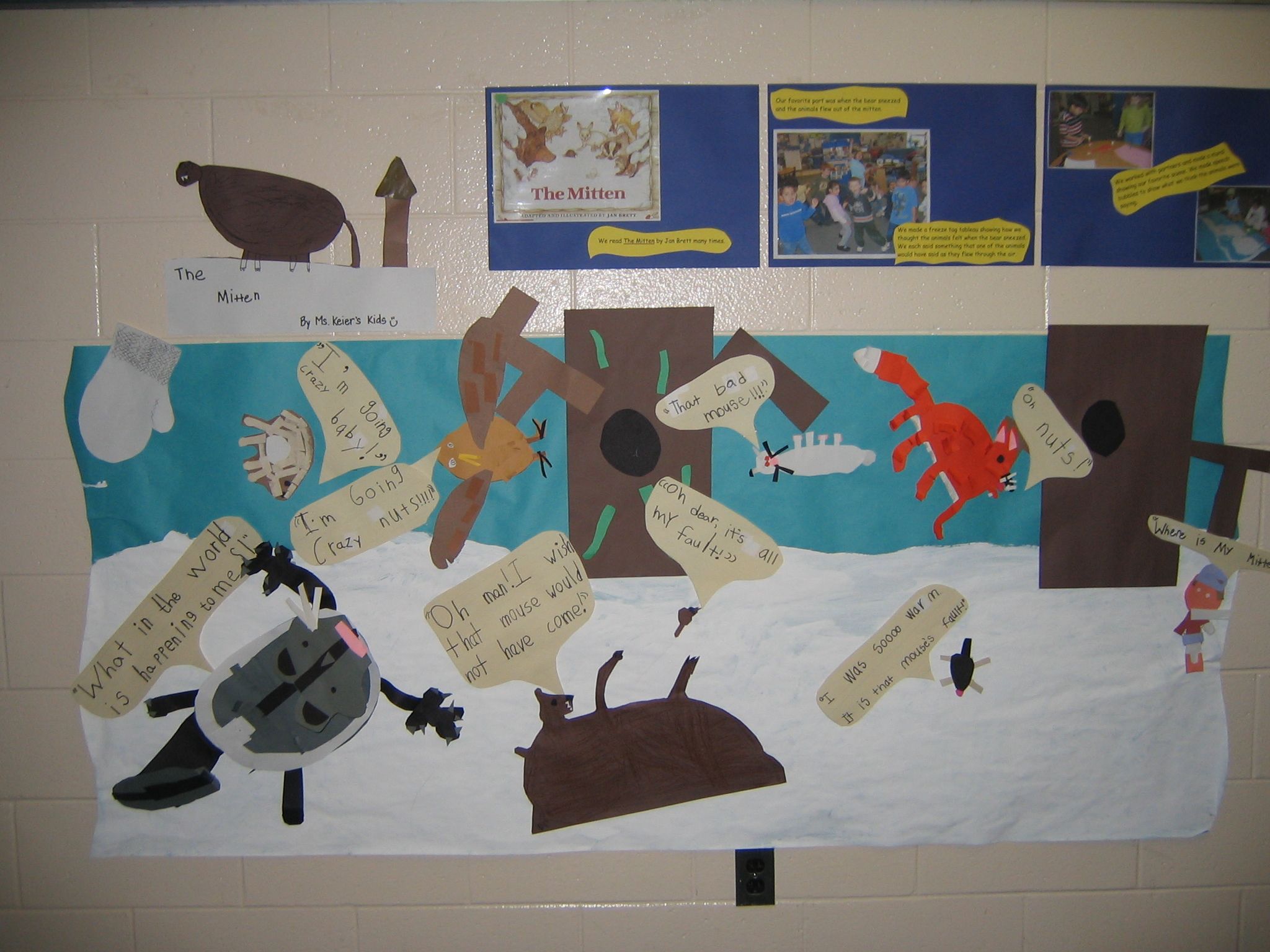
The Mitten - interactive writing

The Mitten – interactive writing

Week 10 039

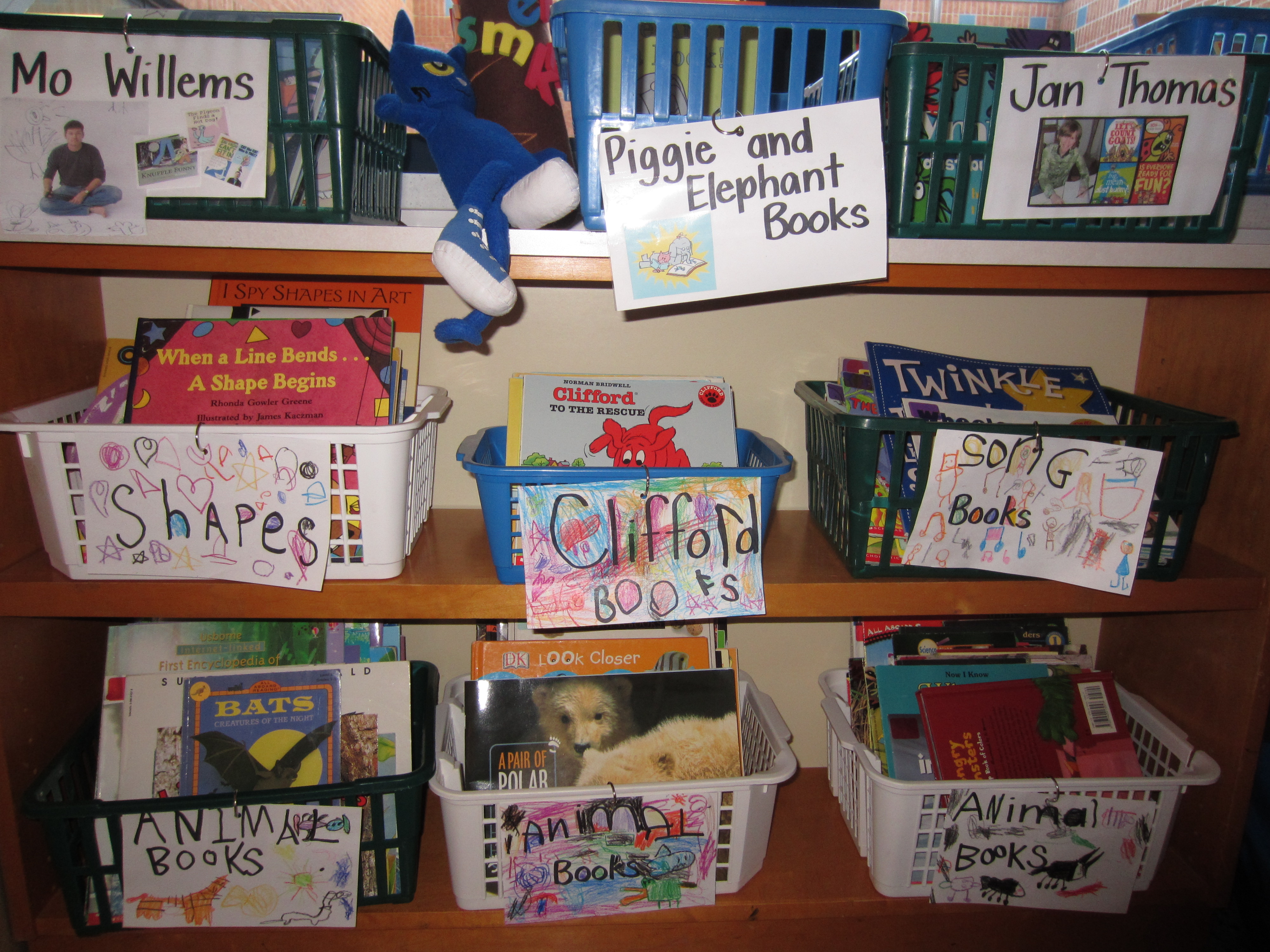
Community writing to label book baskets

I see writing in the same way. In our kindergarten classroom, we have two distinct types of writing- community writing and independent writing. Community writing, which includes shared writing (where the children are deciding what we want to say and the teacher is doing all of the writing – actually scribing what the children are saying in a small group or whole group setting) and interactive writing (where the children and teacher are deciding what to say and sharing the pen to write the words, again in a small or whole group setting). Both of these go under the umbrella of “community writing” because we are composing text as a community of learners together.  This is the time when I am modeling what writing is. The finished text for these projects is correctly spelled and written. The teacher is filling in what is out of reach of the children. (For example, if the word we are writing is “read” – the children might call out “r  e  d” – the teacher honors this approximation, has a child write the   r  and  e, then takes the pen to write the  a, saying “in this word there is an a that we don’t hear”, then allowing a child to write the ending letter  d)  It is a model of writing that becomes shared reading in our classroom. It’s essential that the writing is correct for that reason. I don’t want to display writing that is not correct for children to read and/or use as models for their own writing. The topics for these writing projects are mostly teacher driven – connecting to science, social studies, math or literature we have worked on together, as well as functional text for our classroom (schedules, labels, signs). I am modeling what correct writing looks like with the help of the children. It is an extremely supportive environment that helps our young writers in many ways. My students are seeing and hearing me think aloud as we compose the text together. Those children who are ready to write sentences have this opportunity to see what that looks like. Those children who are just beginning to label their pictures or are exploring letter/sound relationships also see this in our writing projects. All children are seeing the “in the head” thinking of a writer getting thoughts down on paper.  It is a daily teaching practice that models writing and allows children to participate within their zone of proximal development. It is paving the way to independent writing and encouraging children to take risks in their own writing.

Photo Apr 20, 2 51 04 PM

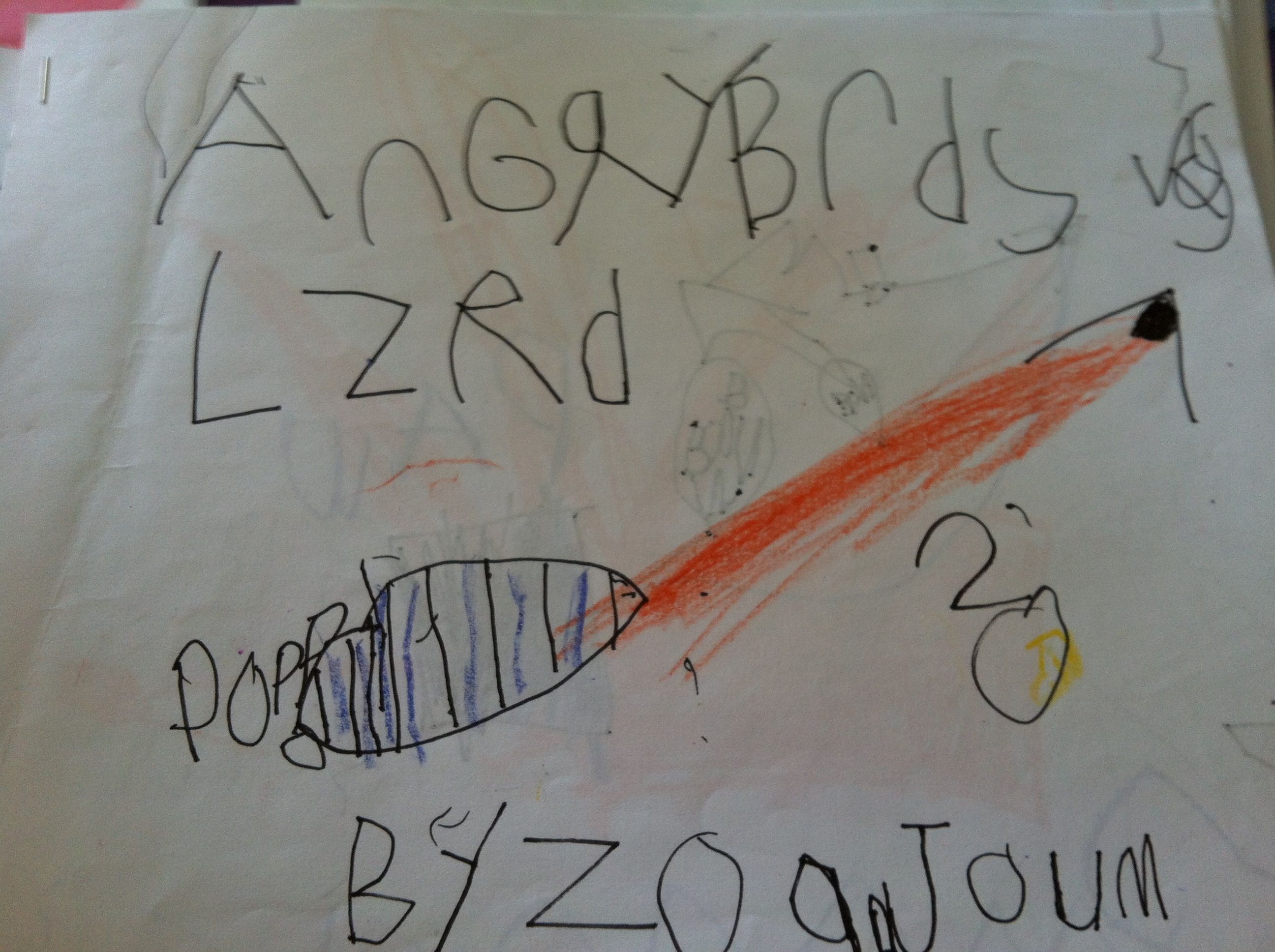
Angry Birds vs. Lizard – cover of a book

Writer's Workshop

Writer’s Workshop

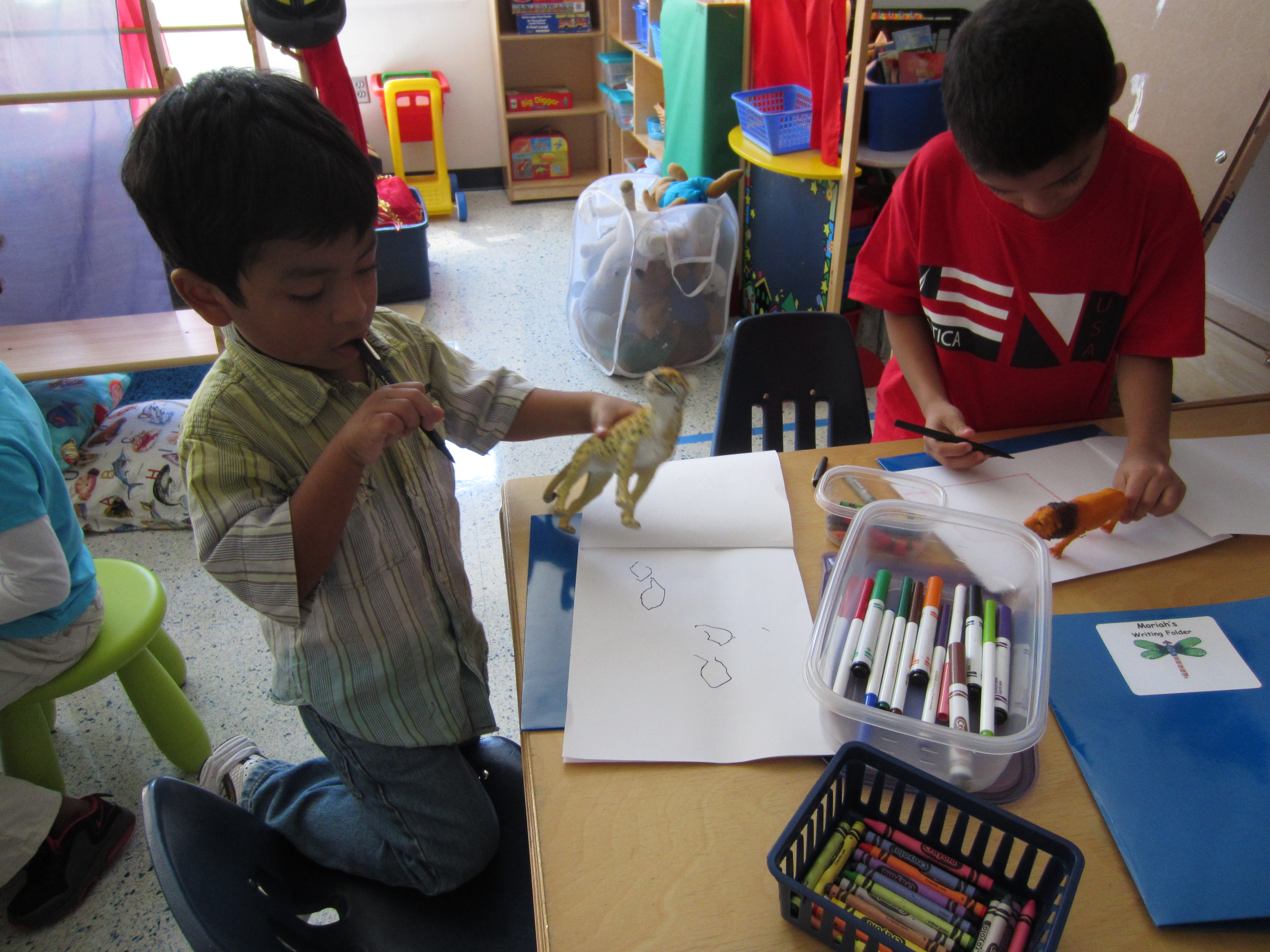
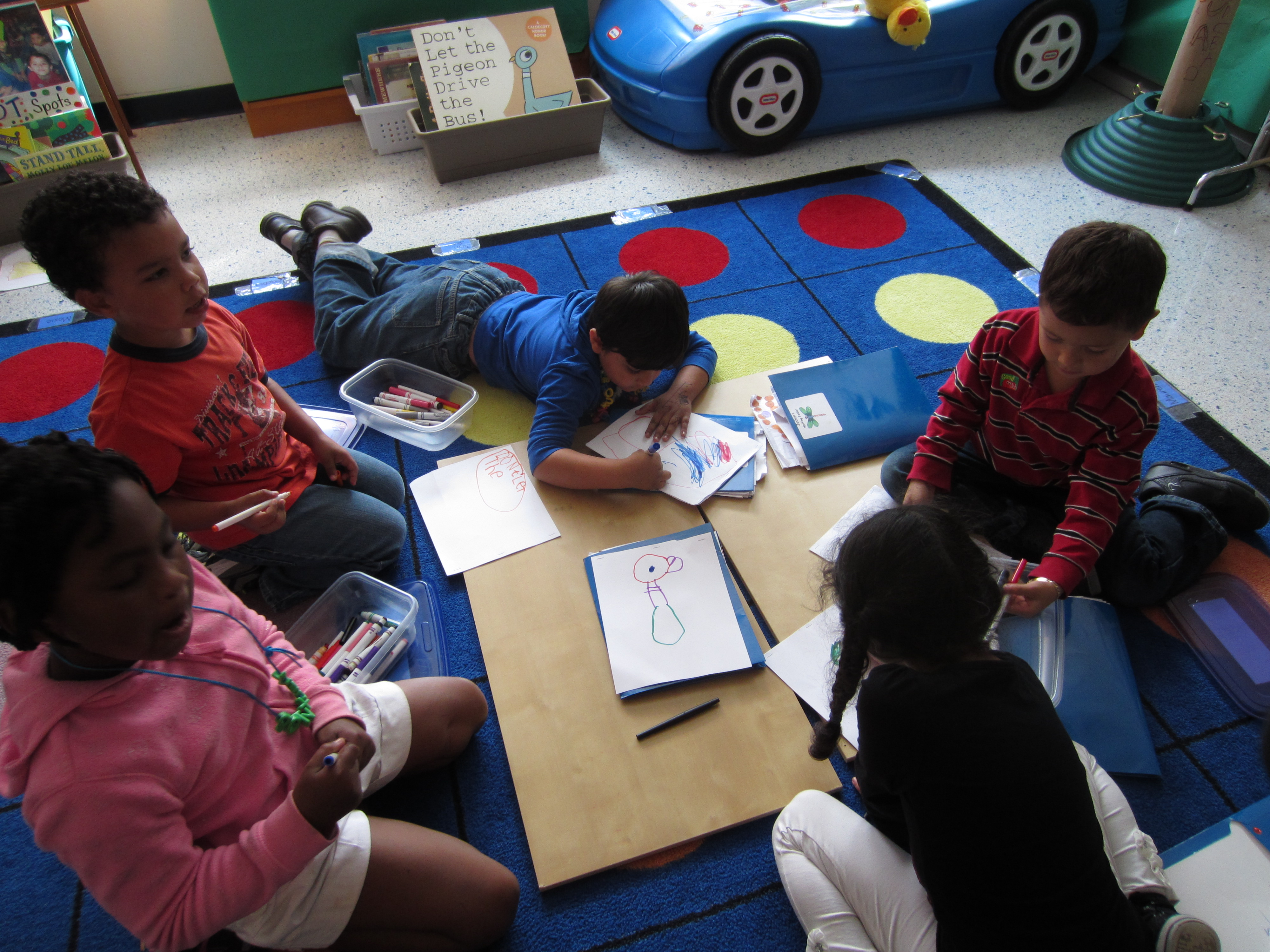
We also have a daily Writer’s Workshop, where children are engaged in independent writing. In our classroom, this is a time when we “make stuff”. Most of the time, this is books.  I model what book making is by reading lots and lots of wonderful books by authors we love. We start on day one, with 5 blank pages of paper stapled to make a book. This format evolves as a variety of book forms are discovered over the year.  During independent writing time the children are working on their own (for the most part – occasionally we have co-authored books with a friend), making books about topics of their choosing.  We read lots and lots of good books to use as our mentor texts, and learn from authors we love about making books. The children work at their own pace – sometimes taking many days to complete a book. I confer with the children as they are writing and they share their books with me and with the class. I take notes for myself as I talk with my writers, but I do not write on their books. If I need to remember what they wrote to take note on whether they are staying on one topic or have an understanding of how a particular genre works, for example, I write it down for me in my notes. I do not write on a child’s book at all. I teach each child differently, based on what they are ready for as a writer. I honor the fact that they are five, and are writing like a five year old. If a child decides to make a book and then I do the writing for him or her (either by writing under his or her writing, transcribing a word or two, or otherwise writing on the book), it is sending a strong message that I am the one who really knows how to write – not the child. It takes away ownership from the book. A child can “read” his or her book just fine – if we let them – and if we change our definition of what “reading” might look like – perhaps the book sounds different every time it is read. That’s fine. The child is the author and they can read it however they like.

This is a brief overview of writing in my classroom. There are many more examples and thoughts in the Webinar. Stay tuned for another post about how I use mentor texts in my classroom and how I support my young writers through various tools in our classroom. Here are a few of my mentor texts that have transformed my teaching of writing – I highly recommend: Already Ready, Interactive Writing: How Language and Literacy Come Together, Engaging Young Writers, In Pictures and In Words, Talking, Drawing, Writing: Lessons for Our Youngest Writers.

So what are your thoughts on writing? How do you help your young writers thrive?

The Wonder of It All

“If I had influence with the good fairy who is supposed to preside over the christening of all children I should ask that her gift to each child in the world be a sense of wonder so indestructible that it would last throughout life, as an unfailing antidote against the boredom and disenchantments of later years, the sterile preoccupation with things artificial, the alienation from the sources of our strength.”

Rachel Carson, The Sense of Wonder


Discovering magnets for the first time!

Discovering magnets for the first time!

Kindergarteners come to school with a huge sense of wonder. They are constantly questioning, pondering, discovering, wondering, exploring – it’s just a natural part of who they are. I absolutely love this part of working with four and five year olds! I think it’s my job to keep that sense of wonder alive and to encourage it as a part of the learning experience. While most of us have a curriculum and/or state standards to follow, I find that the standards are simply a departure point. If I only teach the standards as they are written, in order to “cover” an objective, I miss many opportunities to get kids excited about learning. I once had an instructor tell me, “if you’re only going to cover something, you may as well bury it in the backyard.” This has stuck with me and I try very hard to create learning experiences that are ongoing, meaningful, deep and full of discoveries.

Setting up the baby beetle habitats – counting how many we have

Setting up the baby beetle habitats – counting how many we have

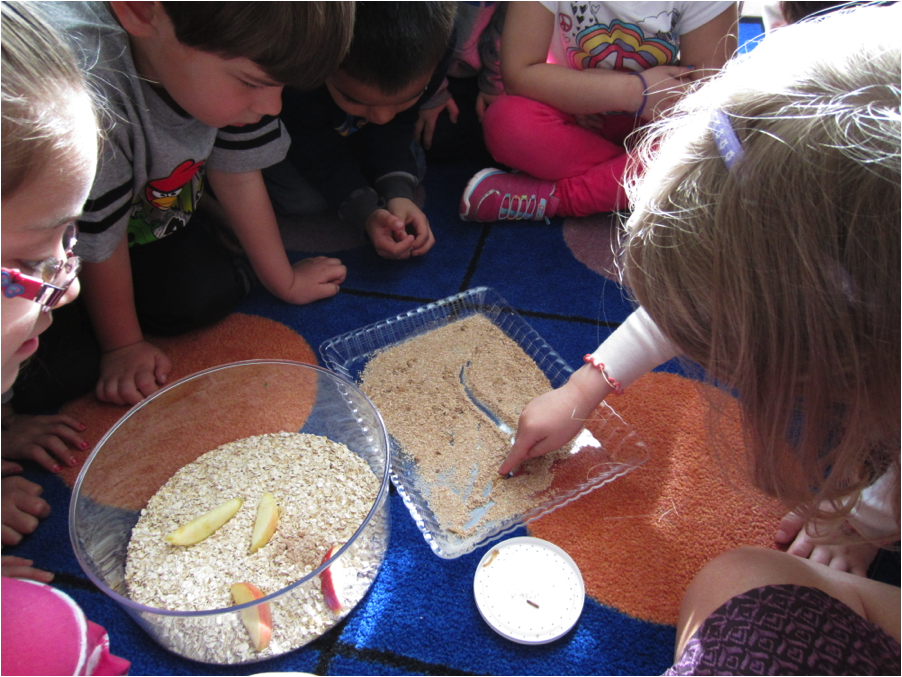
Life cycles are a part of our curriculum. Our county provides us with an ant farm, which is a fun way to study life cycles, but I like to go beyond that by extending this study throughout the year. We start the year with monarch caterpillars in our classroom. We witness the amazing transformation to butterflies and then track their migration to Mexico. In the winter we bring “baby beetles”, commonly called mealworms, into our classroom. The children observe the tiny wormlike critters go through their transformation into large, black beetles. We count, record and observe the changes. We get them out of their habitat and look at them closely, feel them crawling on our hands and experience their life cycle firsthand. We get an incubator in the spring and learn about chickens – watching the baby chicks hatch in our classroom. Through these many experiences, students truly learn our required standard about the life cycles of living creatures. They also learn much, much more.

Playing with the dinosaur sensory box while making a book about dinosaurs

Playing with the dinosaur sensory box while making a book about dinosaurs

This year my class is extremely interested in dinosaurs. I started a dinosaur box the first week of school in order to appeal to this interest. I filled it with dinosaur books, toy dinosaurs, pictures of dinosaurs and fabrics, rocks & stones to create dinosaur habitats. We also have a dinosaur sensory box, an app on our ipads that teaches kids how to draw dinosaurs as well as an app that teaches kids information about dinosaurs. Out of this play area, many children have written books to teach others about dinosaurs. They have learned how to read nonfiction texts with graphs, labels, captions, and various nonfiction text features. They are continuously drawn to the dinosaur play because it is something that interests them. They want to learn more and they want to share their learning with others. Are dinosaurs in my curriculum? No, but through the dinosaur play many of my literacy standards are being met.

Our class “Wonder Wall”

Our class “Wonder Wall”

Another way I try to keep wonder alive in our classroom is with our “Wonder Wall”. I first read about this idea in the fabulous book, A Place for Wonder by Georgia Heard and Jen McDonough. We have a special board in our room where we can put post-it notes about things we wonder about. This is a way to keep track of our thinking and to remind us about things we want to talk about, investigate, explore and learn more about. I keep a close eye on the Wonder Wall and use it as a launching place for classroom units of study, books we read, websites to visit and experts we might know that can come and share their knowledge with us. It’s a great way to keep track of the many wonders that kindergarteners have!

Playing with fake snow in a classroom sensory box

Playing with fake snow in a classroom sensory box

Deep learning and exploring happens when children are encouraged to follow passions, explore interests, inquire and wonder. Giving children time to explore and honoring their investigations, thoughts and discoveries allows for real learning that will stay with children forever. I try to not get caught up in the push to follow pacing guides and “cover” the curriculum. I want my teaching to be deep so that the learning sticks and is meaningful and exciting for the children. I follow the children’s lead while making sure I am accountable to the curriculum, standards and expectations of my county. It’s a juggling act of sorts, and it’s not easy, but it’s something that I can’t do any other way. I strive to be that “good fairy” and give my children the gift of a lifelong sense of wonder and to keep my sense of wonder alive each day in our classroom. I can only do that when my focus is on the children in our classroom, their interests and their needs, at this moment in time.

How are you keeping wonder alive in your classroom? 

This post is cross posted on the #kinderchat blog  as part of the NaBloPoMo project. Early childhood educators from all over the world have contributed to the #kinderchat blog this month for daily posts about teaching children in the early grades.  Join us for our weekly chat on Twitter – 9pm EST Mondays under the #kinderchat hashtag – and for a new Webinar series starting January 30. Katie will be leading a conversation about writing in the early years at 9pm EST January 30. Join us in Blackboard Collaborate for the first #kinderchat Campfire Webinar

Vygotsky Talk

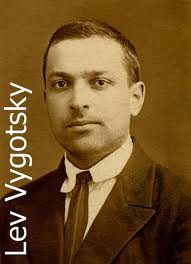
imagesI always love Vygotsky talk!  Whenever any teacher wants to talk about Vygotsky, I’m all ears.  Katie and I tried to make some of Vygotsky’s work understandable and relevant for teachers in Chapter 3 of our book.  If you enjoyed that chapter, “Vygotsky Takes a Seat in our Classrooms”, then you’ll probably want to look for this great article in January, 2013, Language Arts magazine.  It’s called “What Does Vygotsky Provide for the 21st Century Language Arts Teacher?” The author, Peter Smagorinsky, goes into several aspects of Vygotsky’s work. His words got me thinking.

1.  He explains how speech should be used as a tool. In other words, students shouldn’t be expected to speak in final draft form, but should be given opportunities for talking that allow them to figure out and work through what they are trying to say. Kids need to use speech to explore their ideas and opinions.  The author says, “Teachers overlook the potential of classrooms to encourage the development of thinking through the relatively unfettered opportunity to use speech as a tool for generating new ideas through the process of speaking.” This section has me thinking about and returning to Maria Nicols’ books – Comprehension Through Conversation and Talking about Texts.

2.  The author then addresses the issue of emotion and cognition.  In Vygotsky’s view,  emotions and learning are very interconnected.  “How we think and how we feel cannot be separated.” Smagorinsky asks us to think about a student who is constantly corrected for his use of English.  This student may then associate speaking in class with feelings of embarrassment or shame, which in turn would shut down his future participation in class discussions.  The author suggests “that teachers structure classrooms to promote empathy.”  Of course, this whole section had me thinking of all the great teachers I know who spend time building classroom communities.

3. There are several more sections to the article all of which are guaranteed to get you reflecting on your classroom practice. He talks about making curriculum meaningful for students; about how learning and thinking are social in origin and what that means for our classrooms; and about attending to matters of inclusion so that people of difference feel welcome in our schools.  If you work in schools with diverse populations, you will find the article particularly rewarding.  One last quote, “The culture of school serves some students better than others because some have far fewer adaptations to make in order to fit.  One solution is for teachers to create more hybrid classroom learning spaces that allow for broader legitimate participation in classroom activities.”

Let us know your ‘Vygotskian thoughts.’ Do you feel that his work has influenced you as a teacher?

Wordless Books

As teachers, we know to encourage kids to use the pictures to help them with the words. We’ve all, at some time or other, helped a parent (who thinks it’s best to cover up the pictures) to understand this. So what is the place of wordless books in primary grades?  Some may wonder, “Since the children are starting to learn to read, maybe all the books I use should have words in them.” But wordless books have tremendous benefits.

Why do we want students to create stories for wordless books?

  • It helps with retelling – a skill that they will be asked to do as time goes on
  • It makes great use of their imaginations
  • It helps with adding details in writing
  • In fact, it’s a great way to rehearse a story that could be told in writing
  • They learn to tell a story in order
  • It’s great for oral language practice and expansion of vocabulary
  • And it gets kids inventing what the characters could be thinking, feeling, or saying — which is inferring beyond the literal level.

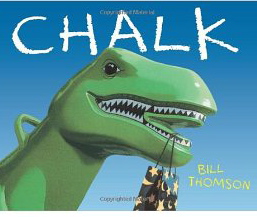
41mCUifyOJL._BO2,204,203,200_PIsitb-sticker-arrow-click,TopRight,35,-76_AA300_SH20_OU01_I recently shared Chalk, by Bill Thomson, with a group of primary teachers.  They all fell in love with it and couldn’t wait to go order a copy. Have you ever actually taught the kids to read a wordless book?  Are you assuming they already know how? Many children who haven’t been read to a lot at home may not know how to do this at all. Modeling with a wordless picture book is easy.  You know how stories work and how they sound.  Just use your storytelling voice and begin.  You will be amazed at how fast the kids will pick up on the process. Any of the books listed below would work well in grades K-2.  And think of the benefits to students with language delays or those who are learning English as a second language. Here are some old favorites, as well as some more recent titles, that would work well in any Kinder-2nd grade classrooms, special education classes, and with ELL students:

  • Rain or Circus, both by Peter Spier
  • The Snowman, Raymond Briggs
  • Deep in the Forest, Brinton Turkle
  • The Angel and The Soldier Boy, Peter Collington
  • Good Dog, Carl (and all the Carl books), by Alexandra Day
  • Good Night, Gorilla, Peggy Rathmann
  • A Boy, A dog, and A Frog, Mercer Mayer (there are many in this series)
  • The Lion and the Mouse, by Jerry Pinkney
  • The Red Sled, Lita Judge
  • The Red Book, Barbara Lehman
  • Chalk, Bill Thomson
  • The Adventures of Polo, by Regis Faller
  • Also Polo and Lily, Polo and the Dragon, Polo & the Magician, Polo & the Magic Flute51YcCdeJLoL._BO2,204,203,200_PIsitb-sticker-arrow-click,TopRight,35,-76_AA300_SH20_OU01_415chFKl5gL._BO2,204,203,200_PIsitb-sticker-arrow-click,TopRight,35,-76_AA300_SH20_OU01_41vGnbPb-QL._SL160_PIsitb-sticker-arrow-dp,TopRight,12,-18_SH30_OU01_AA160_
 

Peace

“If we are to teach real peace in the world, we shall have to begin with the children.” -Gandhi

I was paging through some old photographs this morning and found this one from several years ago. I paused, remembering this wonderful class I looped with and our two year unit on “peace” initiated by a first grader who grew up in Afghanistan, and then I began to cry. This photo captured some of the emotions that have been roller coasting through my mind these past 9 days. It does begin with our children. I feel so lucky to be an educator and to have the opportunity to make a difference and truly teach peace.

February 21 001

King and Queen of the Day

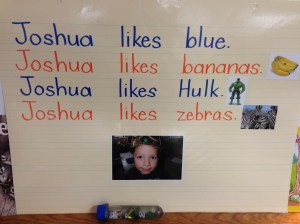
K 13th week 022Our latest shared writing experience is with the King or Queen of the Day. Each day a different child is chosen to be King or Queen. They get to wear a crown and get their picture taken. Then the class interviews them – asking them a few questions about things they like. I did a lot of modeling at the start, talking about what a question is and what kind of questions could help us learn more about each other. For example, we talked about how the question “what is your favorite animal?” has an answer, while the question “what is your favorite zebra?” doesn’t really have an answer  – and how “I like zebras.” isn’t a question. (huge concept for kinders!) The conversations about what is a question and what is a question that can be answered are great learning experiences and help me see who needs more support with this stage of their oral language development. And of course, we continue these conversations daily! After experiencing 18 interviews, I am hopeful that my kindergarteners will have a much deeper understanding of what a question is and how to ask someone a question to find out more about them.

I do the writing on a large chart as the children conduct the interview and negotiate the text together. We count the number of words first and rehearse what I should write on the chart. I have the kids help me write the words orally, especially the names. I show them how there needs to be a space between each word, and that each line is a sentence. I use language like:

-what letter comes first?

-what letter is next?

-what is the last letter?

-how do I write “like” – can you look on the word wall?

-what letter do you think “zebra” begins with?

-how many words are in this sentence?

-I need to make sure and start “Hulk” with a capital letter because it’s a name, just like Joshua

The interviews are daily opportunities to teach many of our phonics skills within a meaningful context. And the kids LOVE being the King or Queen of the Day!

Name bottles

Name bottles


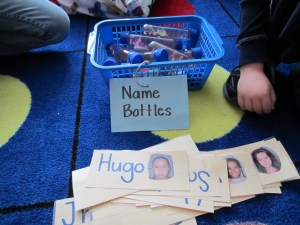
After the interview, the King or Queen makes a name bottle. These are baby soda bottles from Steve Spangler Science. We put letter beads that spell the child’s first name in the bottle along with some glitter and sparkles. I fill it with water and close the lid tightly. As we make name bottles for everyone in the class, this becomes a game where kids can try to figure out the name in the bottle and match it to a name strip.

The last step in our King and Queen of the Day routine is to find pictures to match the words in the sentences and laminate the chart. We re-read the previous day’s charts before we do a new interview. This is a great shared reading experience, and the kids love to revisit the charts. After all the kids have had a chance to be interviewed, the charts are put together into a large class book. This is a favorite book to read throughout the year.

Shared writing chart after an interview.

Shared writing chart after an interview.