Reflecting on Reggio – A Series of Wonderings

Wondering #1 – How can I set the classroom up to honor participation and relationship?
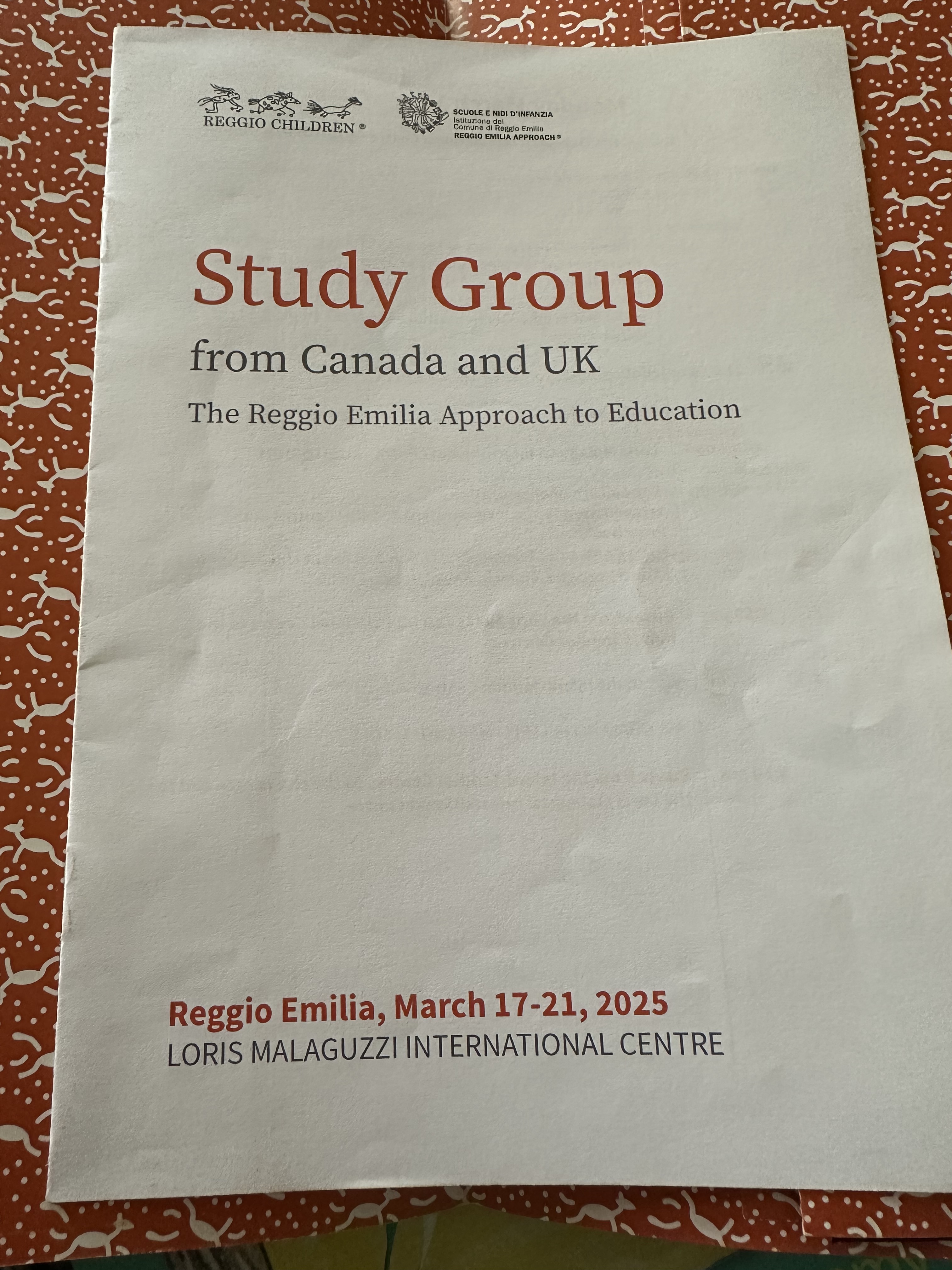
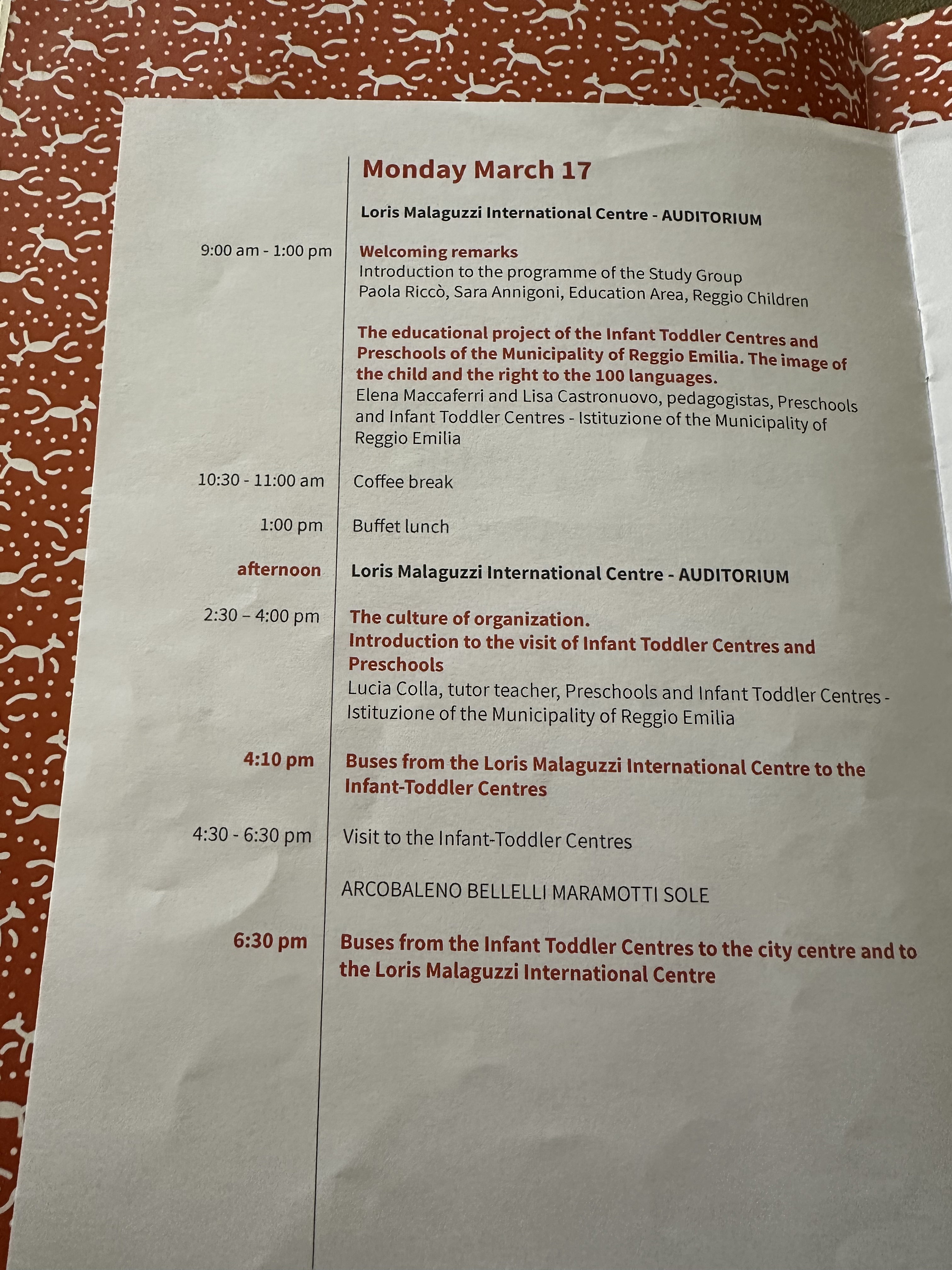
I was fortunate to be a part of a Reggio Emilia Study Group with the Vancouver Reggio Association in March 2025. I filled a notebook with words, my brain with wonderings, and my heart with joy and a sense of what’s truly possible in education. It’s an experience like no other – a tapestry of professional growth and personal growth in one full week of joyful learning, connecting and collaborating. This is the first in a series of posts as I compile my reflections on my week at the Loris Malaguzzi International Centre, the schools and the community of Reggio Emilia, Italy.
“The environment should act as an aquarium which reflects the ideas, ethics, attitudes and culture of the people who live in it.” Loris Malaguzzi

As I look back at my notes from day 1 in Reggio Emilia, I’m left with more questions than answers. This happens often when immersed in the pedagogy of Reggio Emilia. A new school year is beginning and teachers have the privilege of setting up the classroom environment. This is at the top of my mind right now, so I share these wonderings with you, in hopes that it gives you a new way to think about setting up your classroom environment as I ponder setting up mine, with a goal of participation and relationship.

Participation is the way to live in day-to-day relationship. Participation gives substance to rights. It is a way to achieve being a community.” Elena Maccaferri and Lisa Castronuovo, pedagogistas

What if we considered participation as a metaphor for relationship and learning? We participate to have fun and for joy. So how can we encourage participation in our classroom? Participation that children choose willingly and joyfully. I’m thinking of a new way to define “participation” – a definition that goes beyond doing what the teacher says. Rather, participation as a way of relationship and community.

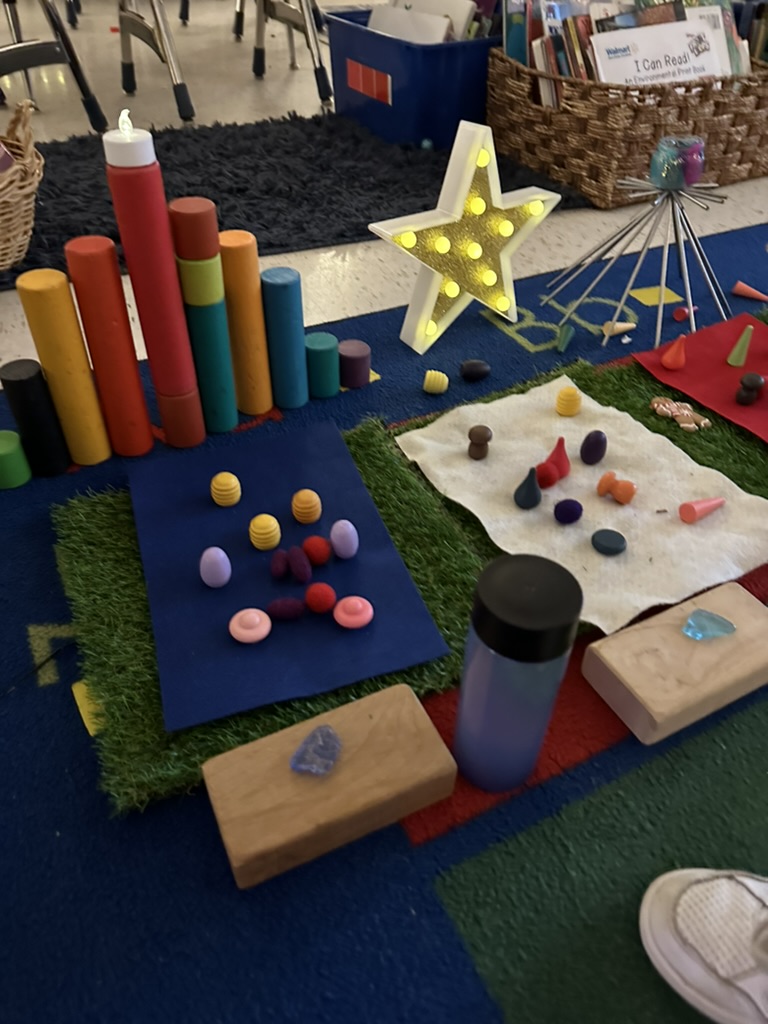
What if we considered that the body is fundamental to learning? It’s where our sense of being in the world lies – with listening, feeling, being and becoming. How might this change our thinking as we plan the classroom space? For me, this means paying attention to the aesthetics. What senses are activated as I enter the classroom? What do children hear, smell, feel, see? What invitations are available for children as they explore the classroom? Can I invite children in to their space without having to say, “no, don’t touch, that’s for later, etc..”? Is it truly their classroom? Can they find cozy spaces with things familiar to them – such as family photos, favorite books from prior grades, stuffed animals of favorite characters, invitations to play with colorful and interesting objects? I want to fill my classroom with natural lighting or lamps, not the harsh overhead lighting. I will have larger areas for children to move and areas that are more compact, where children can make a tent or fit themselves into a smaller space. There will be a large group gathering area that is surrounded by shelves with our classroom library, so children feel like they are being hugged by favorite authors and the books we will love and learn with. I will have spaces to explore sensory materials, such as sand and water. I will have tables for children to work at, as well as spaces to stand and work or be on the floor. I don’t assign seats, as I believe that children can choose where they work best. This is something I will teach right away. Giving children control of as much as possible will help our classroom community come together and will give children a sense of agency and self-efficacy. I am continually asking myself what I can let go of controlling and hand over to the children. There are a surprising amount of things that teachers think we need to do that children are quite capable of doing! What might you give over to the children this year?

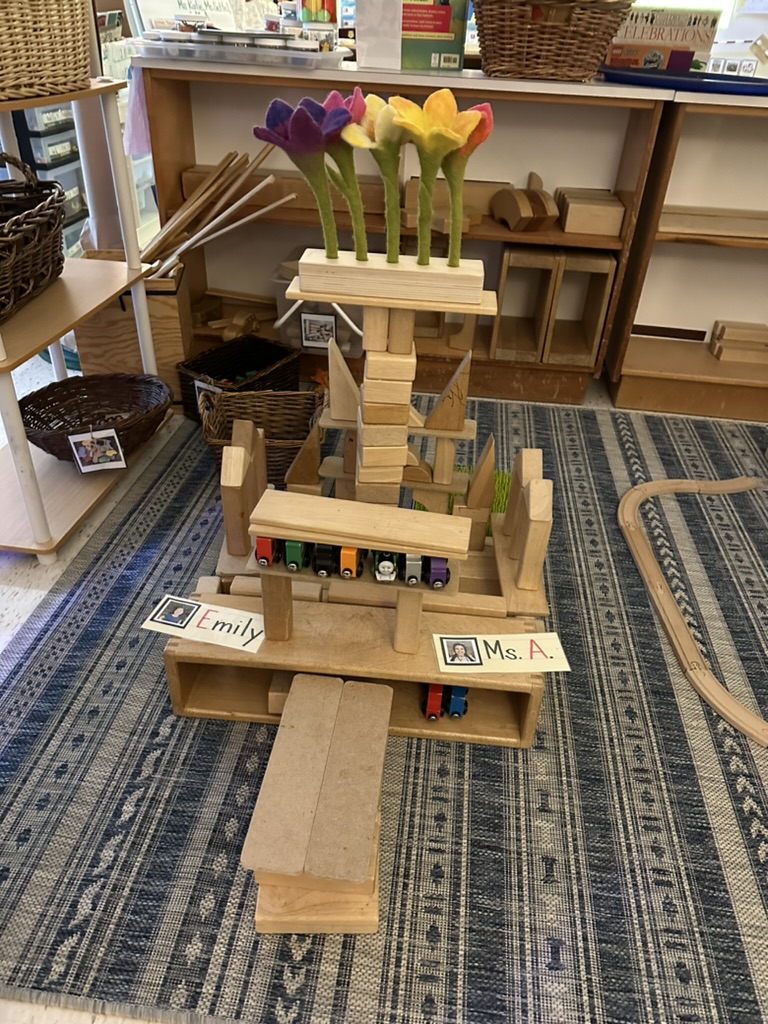
Do our classrooms honor children, who they are and who they are becoming? Do they honor the ideas, ethics, attitudes and cultures of the children and the teachers, as a community? I want to be sure my classroom is a blank page, so to speak, when children enter it. The walls are empty – with the exception of our linear calendar wall, family photos, our daily routines and a few select pieces of art that appeal to me and to children (Kandinsky, VanGogh, Picasso) or collaborative art from previous classes. The rest of the room will eventually be filled with children’s art and the tracks of their learning. I will have the fundamental space set up in a way that reflects what I know about young children and how they learn, but it will have many possibilities to be formed into a space that honors our community. The context is always evolving in response to what I observe and what the children tell me. Last year’s class loved blocks and our block area kept growing. The upcoming class might be the same, or they may need a larger art area. Time will tell. As I get to know them, we will negotiate the space to work for all of us. I want to be sure to keep my classroom clutter-free and well taken care of. I want to be sure that all materials I put out have a specific purpose and are taken care of. I model this and trust that children will take care of things. Children notice the “un-taken care of” in a space and it sends a message. When we take great care of our environments, the children will follow. Our environment is constantly transforming and evolving, as we follow the children and our community as it is being created.

Care takes care and brings care.” Bellelli School teacher

What are your wonderings as a new school year approaches? How can you help make your environment an “aquarium”, reflecting the community of learners in the space this year?

Check back soon for the next post reflecting on Reggio.

Writers Playshop on the NCTE Blog!

The National Council of Teachers of English (NCTE) is currently doing a blog series celebrating the National Day on Writing®.

I was excited to have our work in Writers Playshop be featured on their blog. You can read the post here.

Be sure to check out the many other posts by teachers passionately committed to teaching young writers. I promise these posts will inspire and engage you. Enjoy!

I’ll be at NCTE this year, presenting on Friday at 3:30 in Room 256 with Kassia Omohundro Wedekind and Christy Thompson. I hope we will see you there!

Fidelity…to what?

Fidelity.

A word that is used quite frequently in education and often connected to a particular program or curriculum. It’s one of those “nails on a chalkboard” words for me, as it’s tossed around so often without a lot of discussion or conversation regarding its meaning or what it looks like in classrooms with actual children. Let’s take a look at what fidelity means. According to Webster, fidelity is the quality or state of being faithful and accuracy in details. Because I am curious about words and what they mean, I read further. 

Fidelity came to English by way of French in the 15th century, and can ultimately be traced back to the Latin fidēlis, meaning “faithful, loyal, trustworthy.” While fidelity was originally exclusively about loyalty, it has for centuries also been used to refer to accuracy, as in “questions about the fidelity of the translation.”  (Webster’s Dictionary website)

I’m left with questions regarding teaching with fidelity. Who are we being faithful to? A curriculum or children? What details are we challenged to be accurate about? A curriculum or children?

While teachers do not take an oath to become a teacher, I’ve personally always believed in, “first, do no harm”. For me, this means questioning and reaching for understanding about the “why” behind my pedagogy and always putting the children in my care and their needs first. Combining years of research, learning, observation and knowledge and continually seeking new research and learning is what I’ve found supports and sustains me as a teacher and allows the children in our classroom to truly thrive. Paying close attention to the details within the children in our classroom and what their needs are is at the heart of my work. No two days are ever the same. Teachers must continually think and reflect on the curriculum and how children are learning. There is not a script for teaching young children. 

Perhaps we need to rethink what we are teaching with fidelity. What are we faithful to? What if we were faithful to children? What if we put them first in our planning and interactions in the classroom?  What if we used many tools and resources, all supported by research and best practices, to teach? 

What if we taught with fidelity to children?

After I hit publish on this post, WordPress connected this post with one I wrote in 2017. As I reread those words, I wanted to reshare a portion here because it connects to this current post so well.

A teacher leader in my county once helped me reflect on the idea of fidelity vs. thoughtfulness. I keep coming back to that. Perhaps we need to be implementing new structures, programs, etc. with “thoughtfulness”, rather than “fidelity”. We need to look at the programs, curriculums and expectations our district and administration give us with a critical eye. We need to deconstruct these things together with our team, be thoughtful in our implementation, question and reflect on what works and what doesn’t.  As one of my former principals always says, “the answer is in the room”.  Talk, reflect and think together – don’t just blindly follow something from outside. We need to use the abundance of resources we have as departure points to launch our own best teaching. We need to keep talking, questioning and thinking with our team and on our own.  As I’ve said before, we teach children, not curriculum, programs or standards.

Dear thinkers, learners, wonderers…teachers,

This letter is for the teachers who are thinkers. Learners. Wonderers. Observers. Reflective practitioners. Teachers, in the most real and authentic definition of that term. 

How are you doing? 

I write this because I see the struggle. I see the frustration. I see the joy being sucked out of our profession. I see the joy being sucked out of our learners.  I feel it as well. And I am concerned. Deeply concerned. I am concerned for what this means for teachers, for children, for families, for communities, for society, for the future. 

Teaching and learning go hand in hand. As teachers, we must be life-long learners. We must always question, wonder and dig deeper to truly understand how we can meet the needs of our children and understand the “why” behind what we do. If our profession is relegated to following a scripted program and spending precious planning time reading a curriculum program and not learning, questioning, talking, looking at children’s brilliant thinking and designing research-based instruction that serves the learners in our classroom at this moment, then we have failed as a system.

We have a great opportunity right now to use current research on literacy learning (and much has been, and continues to be, published by literacy researchers), to stay abreast of literacy learning and combine this with how we know children learn, based on years of research in learning and education. There are understandings that will be replaced in light of current research, but some things are still supported by research and should not be replaced. We can use all that we’ve learned in our careers as educators to bring the very best instruction to our children each day. Veteran teachers can help new teachers understand how to learn and reflect as a teacher. But there needs to be time and opportunities for conversation and true learning. Not more trainings where you are told “you don’t even have to think” or that there “is no space for questions”. We need questions and thinking now, more than ever.

Learning is at the heart of what we do. Research gives us new things to practice and new approaches and considerations to incorporate into our teaching. Science helps us understand the “why” behind what we do and helps us learn better and stronger ways to reach the children we teach. But research and science MUST be paired with deep thinking and talk about our methodology and our pedagogy and must always be connected with the learners in our classrooms and the teachers. There is no one-size-fits-all curriculum, as much as some might hope for this. Teaching is a science, AND an art. And when the agency and trust of teachers is taken away and replaced with a program to be followed verbatim, written by publishers who do not know the teachers or children, then we have big problems. When teachers are told to follow a written script with no conversation, reflection, understanding or learning as an educator trusted to teach the children, it will not be sustainable and will result in a serious lack of learning, joy for learning and longevity in the teaching profession. We need to bring back the learning to our profession. 

Teachers, I see you. I hear you. And I’m with you. Please find a way to take care of yourself and fuel your learning minds and hearts. You, and the children you teach, deserve that.

With love and hope,

Katie

Please feel free to comment, vent, share your feelings, share your hopes, share how you are sustaining yourself in this profession…anything that can help you in this magical, and so very hard, job we do. I truly do want to know how you are. We need to take care of each other. You are not alone.

Writers Playshop

“Once upon a time there was a magical forest. And a lion lived there. But he didn’t have a friend. So one day he found a girl who wanted to live in the magical forest with him. She had a crystal that lighted up when she was with kind people. The lion loved the girl and they were friends. They lighted up the crystals to find other friends and be kind. They loved the animals, the magic forest and everyone. The end.”

Storytelling in kindergarten. It’s my “magical forest”. From our first day together, children are encouraged and invited to find the stories in our classroom. Susan Harris MacKay inspired me to believe and to share with children that “stories live everywhere”! And their job (our job!) is to find them and share them. Each day that first week of school, I bring a material to our gathering rug. It might be blocks, paper, loose parts, clay, sand, magnetic tiles, etc. – any material that is in our room out for them to play and engage with. I make up a simple oral story using the materials and then invite the children to find their own stories in our room.

“Stories live everywhere! What story will you find today? Off you go!”

They don’t need to be asked twice. Children eagerly run off to find their stories. They find stories as they play at the light table, the dramatic play area (equipped with minimal props – real kitchen items, scarves, baby dolls), the block area, the music area, the art table or the Story Shelf (our shelf with loose parts that I add to on a regular basis – starting very small and simple and expanding as the year goes on). They soon discover that stories do, indeed, live everywhere. I roam around the room, eagerly listening to their wonderful stories. And then I invite them to put their story in a book, so it can live forever. There are blank 3 page books in our art area and many of the children choose to make a book with their story right away. But some wait a while to take this next step. And that’s okay. After listening to their classmates tell their stories, while looking at a photo I took and projected, or sitting beside the storyteller, or listening to an author share the book they made – all children will eventually want to make books so their stories can live forever.

But for now, the joy is in the process of finding stories and sharing them with one another. Oral language is a key component of a kindergarten classroom. We learn about characters and setting and children delight in knowing those words and purposefully plan these elements in their stories. They realize that stories live in the cafeteria, in our specials classes and on the playground. I continue with loads of storytelling as we create our story together as a community. They lean into an identity as a storyteller. They become confident in their oral language and their ability to capture the attention of peers and adults with their words. They learn story language and what makes sense. They learn how to answer questions from friends and add details to make their stories clearer. These first days set the stage for the rest of our year together. Our Writers Playshop follows a predictable structure of a whole group focus lesson, story making time and ending with a sharing time. But our story telling focus quickly expands.

We move into story acting – where children dictate a story to me and then they become the director as they choose actors and actresses to act out their story in front of an audience of their friends. We take our storytelling into math, where loose parts and tiny toys help children create math stories to explore mathematical thinking. We grow into our identity as authors and illustrators as book making takes off and our classroom library becomes full of the books we make. And we grow into our identity as readers, as we listen to many, many rich read aloud books and ask ourselves, “what did we hear or read today that might help us as story makers, authors and illustrators?”.

This work is not new, nor is it exclusively mine. I stand on the shoulders of so many wonderful educators such as Katie Wood Ray, Lisa Cleaveland, Donald Graves, Lucy Calkins, Matt Glover, Trisha Lee, Vivian Gussin Paley, Michelle Kay Compton, Robin Chappele Thompson, Georgina Ardalan, Angelique Thompson, Kenisha Bynoe, Susan Harris MacKay, Matt Karlsen, Angela Stockman and the many, many educators I’ve connected with through the years of studying writing, literacy and the Reggio Emilia approach to learning and teaching. Our Writers Playshop (named “Playshop” several years ago by a child who asked me why it was called “workshop” when it was really play) is a product of my 33 years of teaching, learning, unlearning, observing, reading, writing, researching and reflecting. It changes often, and I continue to learn and listen to what the children are telling me. There is not a script or a program to follow. It’s about following the children. I’ve found that the standards and expectations of a public school kindergarten classroom can be far surpassed with this way of teaching. Children go way beyond what is typically expected in a kindergarten curriculum. Writers Playshop is a powerful way of teaching that honors, challenges, supports and celebrates children and their learning – for life, not just for school.

If you’d like to get started, here are a few resources you might check out. Stay curious, keep reading and talking with colleagues and most of all, trust the children. Play is how children learn. Jump in tomorrow – join your children in finding stories, telling them and writing them down. Trust the children. Story creates our communities and brings joy to our lives. It’s truly magical.

Story Workshop: New Possibilities for Young Writers by Susan Harris MacKay

Princesses, Dragons and Helicopter Stories by Trisha Lee

StoryMaking: The Maker Movement Approach to Literacy for Early Learners by Michelle Kay Compton and Robin Chappele Thompson

The Gift of Playful Learning by Angelique Thompson and Kenisha Bynoe

About the Authors: Writing Workshop with Our Youngest Writers by Katie Wood Ray and Lisa Cleaveland

“Children have a right to high-quality, vigorous instruction intended to support their academic skills within the discipline of literacy. But those skills must be inextricably linked to stories – to the paths every child determines need clarity in their own life. Increasing literacy skill should be seen as a means by which the stories flowing through each of us are supported as the effort they are to make better sense of the world in which we experience the complexity of our everyday lives. Literacy skills are no end in and of themselves, and treating them as such takes us further from the capacity every child has to use them to find and share our stories.

Susan Harris MacKay in Story Workshop: New Possibilities for Young Writers

Your Brain on Art

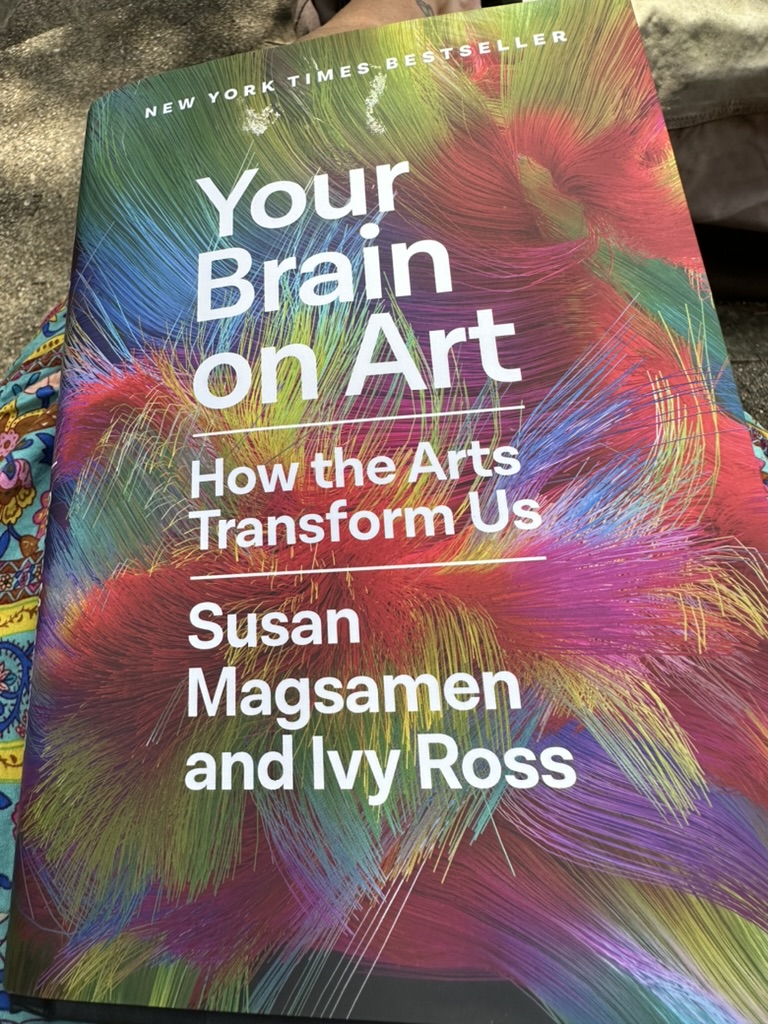
I just finished reading Your Brain on Art: How the Arts Transform Us by Susan Magsamen and Ivy Ross. There was so much to consider while reading this book! The folks at The Studio for Playful Inquiry are doing a book study this month, and I’m excited to dive deeper into this book with others.

I was left with the understanding of how art is (or should be!) essential in our lives – for physical health, for emotional wellness, for connection, for relationship, for making sense of the world we live in, for relating to others, for self-expression, for being fully human – for pretty much everything. The importance of the arts is scientifically proven and well-researched in the field of neuroaesthetics (the scientific study of the neural bases for the contemplation and creation of a work of art). Art experiences should be available to everyone.

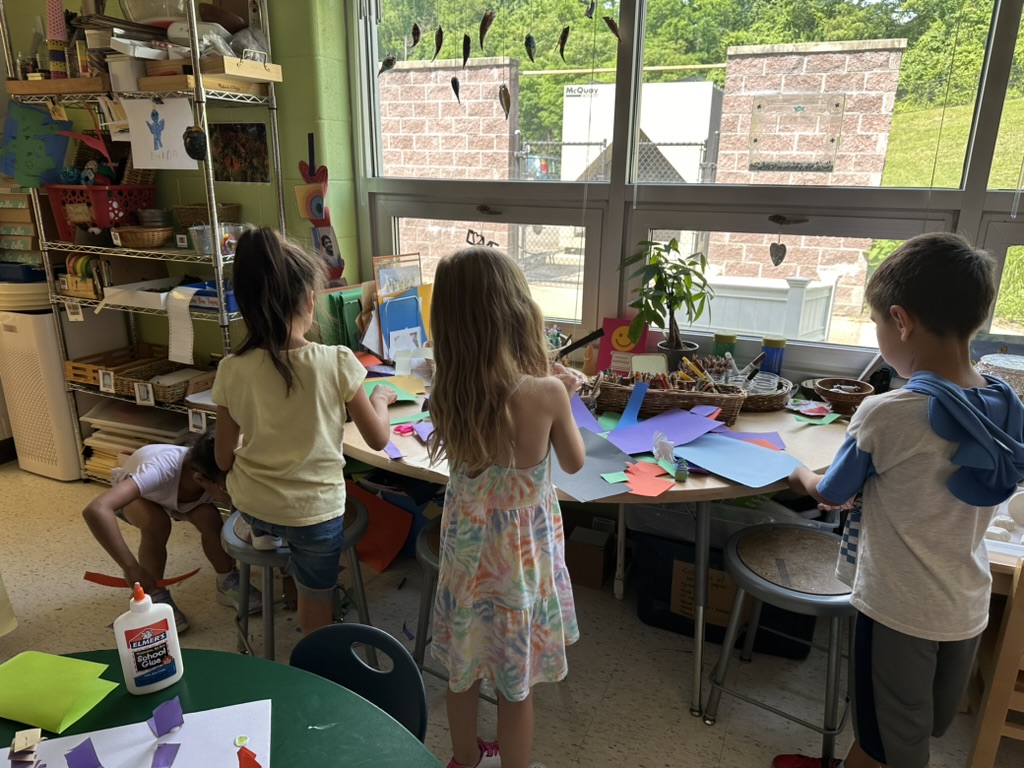
And school is one place we can make those art experiences available! I believe art is a right for children. And to be clear, I’m not talking about crafts – where children are instructed to follow the teacher’s lead and example to create something that looks like everyone else’s craft. I’m talking about art experiences that are open-ended, process oriented (focused on experimenting and exploring materials as one creates), playful, unique and limitless. Art is a way children can play, communicate, process experiences and feelings, use their imagination and negotiate meaning in endless ways. Our art experiences include paper, clay, loose parts, nature, markers, paint, pens, keyboards, drums, rhythm sticks, storytelling, drama, nature walks, light boxes, projectors, pencils, chalk, scissors, wire, cardboard, beads, staplers, tape and more.

In our kindergarten classroom, the art area is a favorite space to go – and this art area often expands throughout the room – and outdoors. I provide a multitude of materials, adding more things as children request them or when I see that a new material is needed. Materials are displayed and arranged in ways that children can access them independently. Children are invited to make and create in the art center during morning arrival, our Readers and Writers Playshop time and Choice Time throughout the day.

I introduce artists and their works throughout the year. Andy Goldsworthy, Alma Thomas, Howardena Pindell, Wassily Kandinsky, Picasso, Monet, Henri Matisse, Jackson Pollock, Joan Miro, Paul Klee, Fanny Sanin, Bisa Butler, Jean-Michel Basquiat, Jeffrey Gibson, Sonia Delaunay, Alan Shields, Georgia O’Keefe and Alexander Calder were some of the artists we discovered this past year. I also spend a great deal of time talking and learning about illustrators in the books we read. I teach the children to read art with the “I see, I think, I wonder, I feel” thinking routine from Project Zero. Each time we look at art or think about art, I make the connection that they are artists, too – and they might be inspired by the artists we get to know, or each other. I want the children to see themselves as artists and to have a sense of self-efficacy surrounding art and being creative. Creativity is an essential piece of our lives and our classrooms should nurture and allow for creative experiences.

“Creativity seems to emerge from multiple experiences, coupled with a well-supported development of personal resources, including a sense of freedom to venture beyond the known.” Loris Malaguzzi

How can you provide experiences and creative opportunities and invitations for the children you teach? How can art become another language in your classroom? And what might that mean for you, as an educator? Having a “sense of freedom to venture beyond the known” makes me think of limitless possibilities for children, and for us as educators. I think art can provide that space for us.

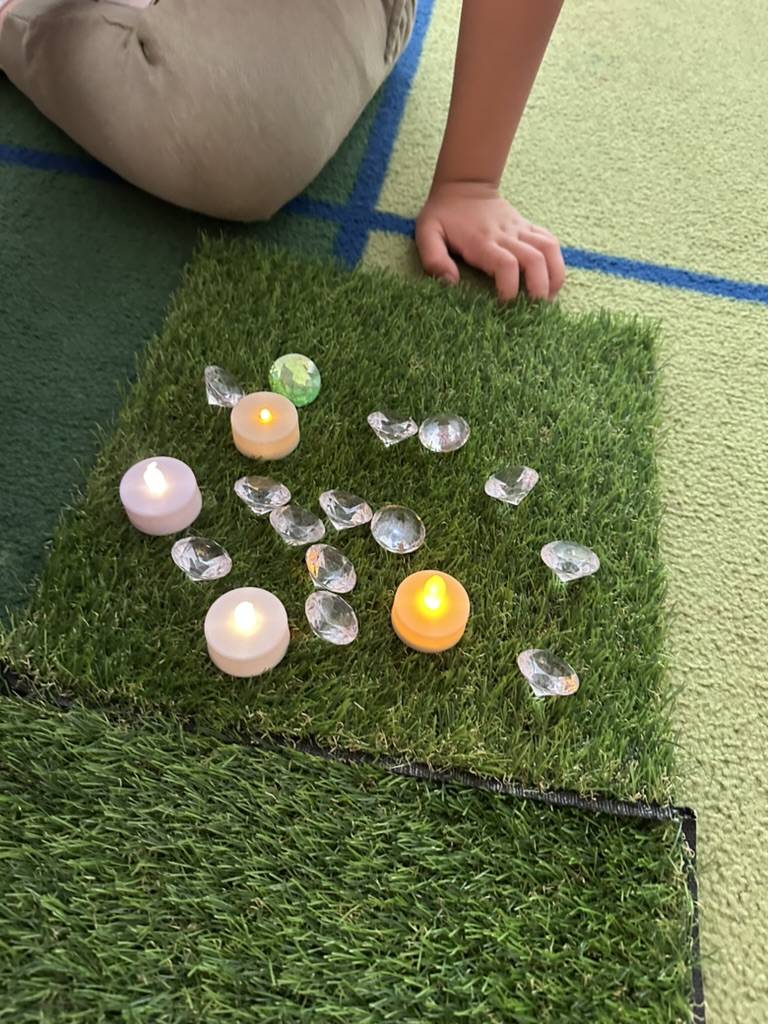
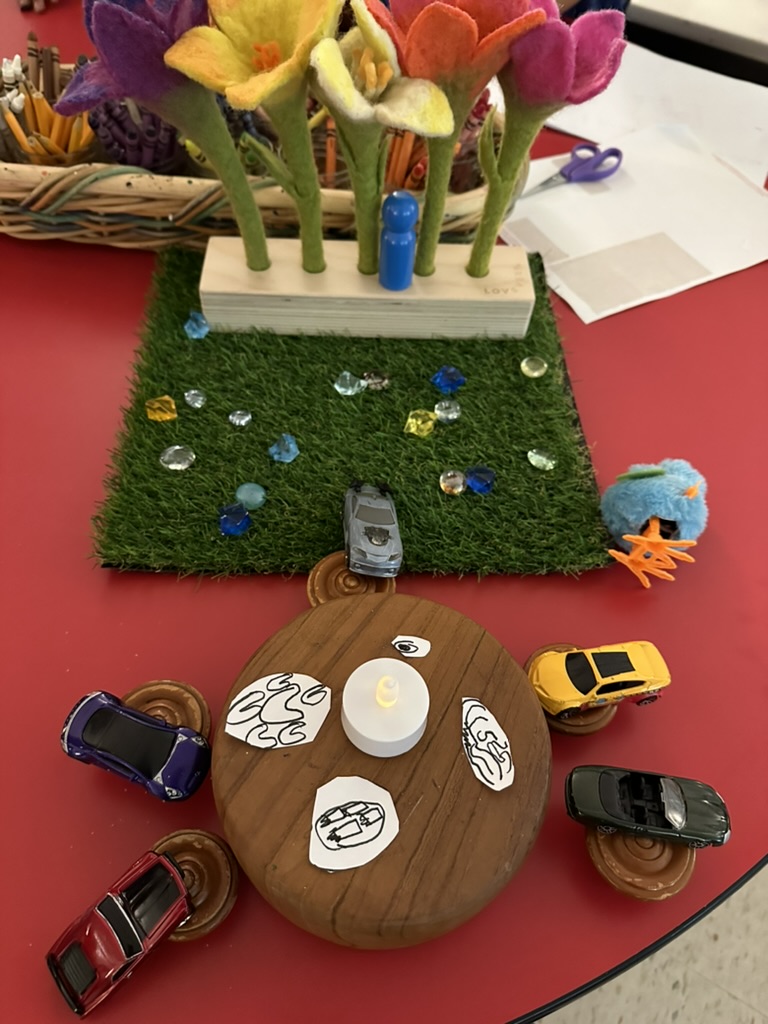
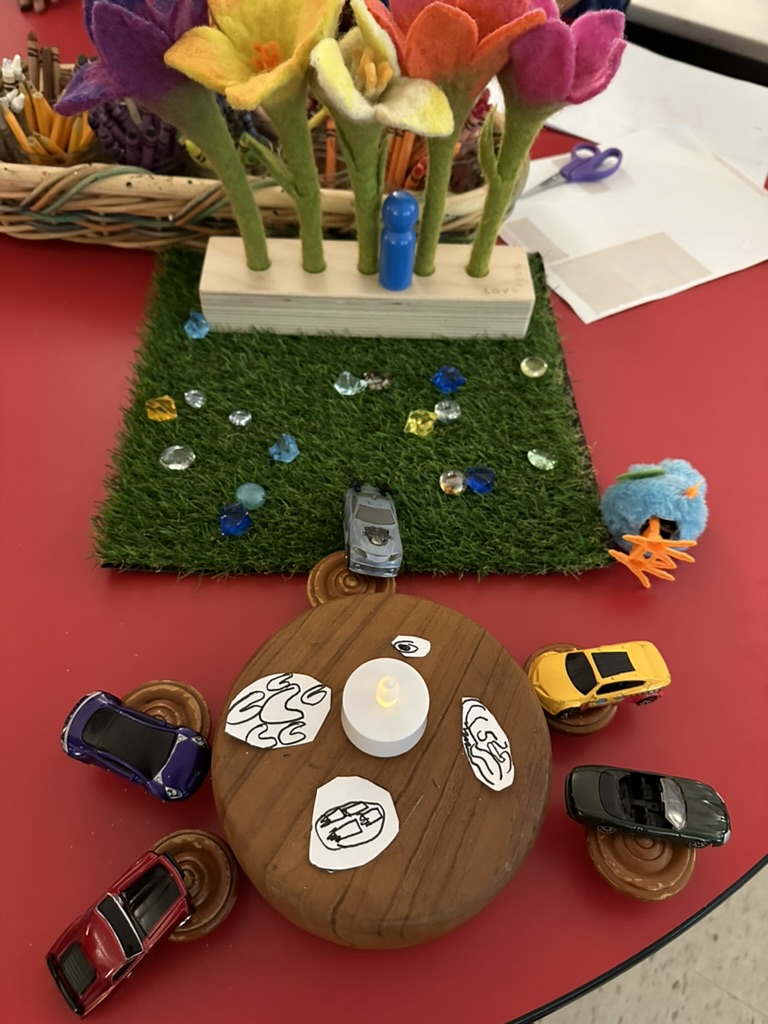
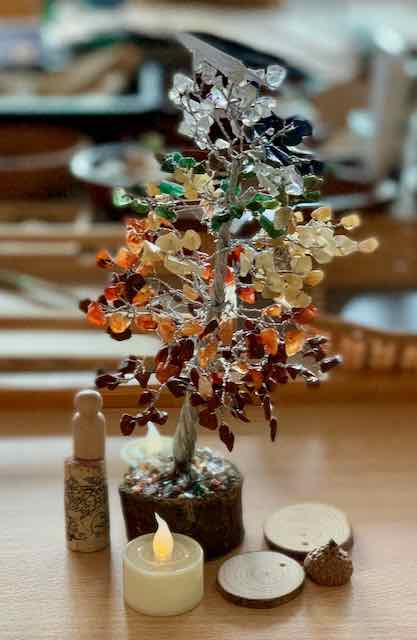
Using loose parts, paper and pen to tell a story
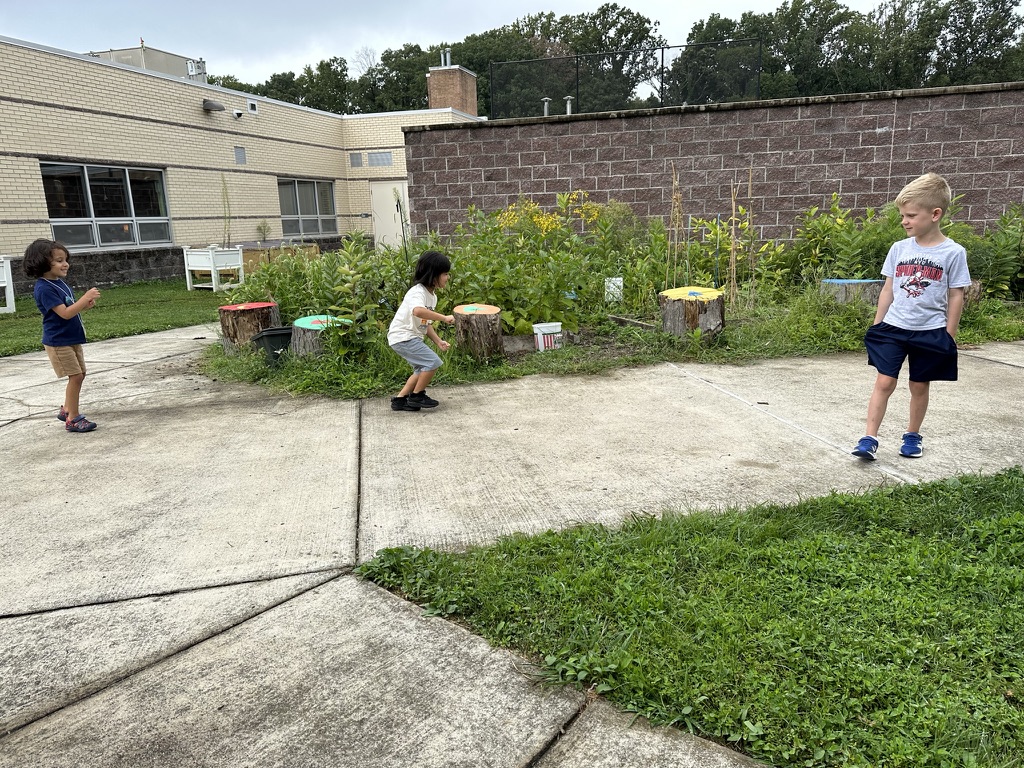
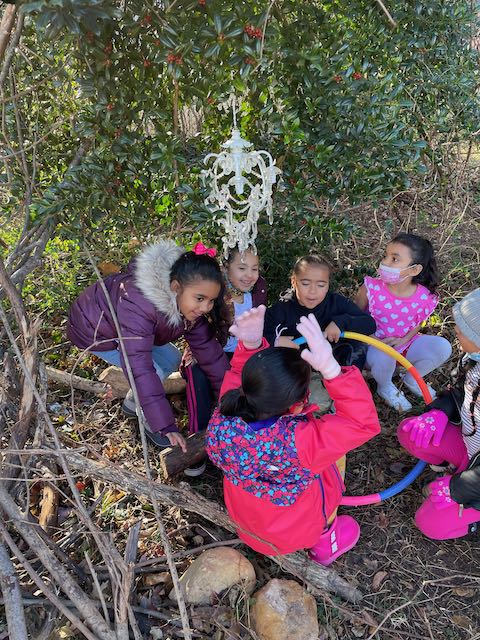
Making stories in the garden

Big Pedagogy

Learning is not the transmission of a defined body of knowledge, what Loris Malaguzzi refers to as a ‘small’ pedagogy. It is constructive, the subject constructing her or his own knowledge but always in democratic relationships with others and being open to different ways of seeing, since individual knowledge is always partial and provisional. From this perspective, learning is a process of constructing, testing and reconstructing theories, constantly creating new knowledge. Teachers as well as children are constantly learning. Learning itself is a subject for constant research, and as such must be made visible.

Carla Rinaldi and Peter Moss

It is our job as educators to learn as much as we can. To read, think, talk, question, wonder, challenge…and then do it all again. To be brave enough to challenge our own best thinking – to observe, listen, reflect, talk, learn and unlearn. We have to be researchers, kidwatchers and thinkers – alongside the children we teach, and in partnership with colleagues and knowledgeable others who can help us learn and push our thinking. We have to ask the hard questions, ponder the unanswerable questions, and keep growing as educators. We have to be willing to rethink our pedagogy, to observe and collect data, and to continue learning. We must continually ask “why?” Our children deserve this. We deserve this.

Our pedagogy is not small.

However, there are many movements to make our pedagogy small. Scripted programs, lockstep curriculum, plug and play slide decks, TikTok teaching, non-educators influencing and making decisions, etc… – these all can negate the knowledge of the teacher. They can negate the brilliance of the children. They can dumb down the learning. They can ignore the funds of knowledge our children and their families bring. They can take the trust and ownership away from the teachers and children. They can steal the joy and reduce teaching to following a script, a program or a curriculum made by people who have never known your children, your community, or you.

So how can we keep our pedagogy big and in service of the children, families, community and us?

Ever since I started teaching, I have devoured professional books, articles and journals. I’ve found people, as Katie Wood Ray said, “to stand on their shoulders” and learn from their brilliance. I’ve followed researchers, educators and wise thinkers who have done this work for a long time and who continue to contribute to our field. Whose shoulders do you stand on? Who are you reading, joining in conversations, following research, and learning from? How are you pushing back on teaching that is not best practice and can actually do harm to children? How are you collecting the research and continuing to learn in the context of the children you teach? How are you constructing knowledge and being open to different ways of seeing?

It’s time for teachers, as professionals, to stand committed to big pedagogy. I hope you’ll take some time this summer to find some shoulders to stand on, to think about what this might mean for you as a teacher, and most importantly, what it might mean for the children you teach.

I’ll start by sharing a short list of a few of my current favorites. Please join me in sharing yours – the shoulders we can stand on in this journey together. Happy learning!

What Matters Most? Toward a Robust and Social Just Science of Reading

Literacy Talk blog

Fact-Checking the Science of Reading: Opening Up the Conversation

Diane Kashin’s blog – Technology Rich Inquiry Based Research

The Studio for Playful Inquiry

In Conversation with Regie Routman

Science of Reading Unpacked – podcast with Elena Aydarova

Choice Words: How our Language Affects Children’s Learning by Peter Johnston

Shifting the Balance: Six Ways to Bring the Science of Reading into the Balanced Literacy Classroom by Jan Burkins and Kari Yates

Reading Above the Fray by Julia Lindsey

Hands Down, Speak Out: Listening and Talking Across Literacy and Math by Kassia Wedekind and Christy Thompson

Classroom Design for Student Agency: Create Spaces to Empower Young Readers and Writers by Lynsey Burkins and Franki Sibberson

Troublemakers: Lessons in Freedom from Young Children at School by Carla Shalaby

Catching Readers, Sparking Joy

Welcome (back, perhaps?) to the Catching Readers blog – with the new name of “Catching Readers, Sparking Joy”. My last post on this blog was two and half years ago and my, how things have changed since then. It’s been quite challenging to know how (or why) to continue with this blog. But part of teaching for me is always learning, always growing, always questioning and always wondering. And I feel as if my head and notebooks have been filling with ideas that will help me (and perhaps some of you) navigate this current world of education. While Instagram has been my preferred space for sharing lately, I’ve missed writing. I intend to use this blog as a space to joyfully continue my learning, growing, questioning and wondering through writing, reflection and photos. I hope this blog sparks joy for you as an educator and for the children you teach.

Can we live without joy?

Can we teach without joy?

“Nothing without joy.”

Loris Malaguzzi

Storytelling and Beyond

Storytelling is a tremendous way to engage in meaningful literacy learning and play in your classroom – no matter the age of your learners. I encourage you to welcome the stories your students bring into the classroom, to encourage the wonderings and noticings of the stories that live in the land we learn and play on, and to make the space for children to explore these stories in multi-modal ways. Children deserve to have stories fill their lives and to have their stories be listened to and celebrated.

I wrote a guest post on the CCIRA blog! Please visit their page to read the post in its entirety. Enjoy!

Trust the children

These are challenging times. Those of us who like to be in control of our situations (ummm…maybe all teachers?!) are struggling. Some days it seems like everything is spiraling out of control. I think daily of my dear friend Bill Gentry and his wise advice that has gotten me through countless ultramarathons and life itself, “Think small. Control what you can control.”

As we start back to school in whatever setting your district has decided – virtual, hybrid, full in-person classes – I’m wondering if, in our need to be in control, we are controlling our students more than trusting them. My district is starting back 100% virtual, so I’ve been thinking a lot about how to honor and trust children in a virtual space. It’s not my job to control them. It’s my job to support, teach, nurture, honor, respect and trust them. As Loris Malaguzzi says, “There are hundreds of different images of the child. Each one of you has inside yourself an image of the child that directs you as you begin to relate to a child.” Perhaps we can think of our image of the child as it relates to distance learning. Here are a few of the questions I’ve been pondering.

Do we have to mute students in video calls or require them to stay muted until we allow them to unmute? Or can we teach them that the background noise is distracting and then teach them how to mute/unmute themselves? What message does that send when we start by telling children they have to stay muted? Is it our need for control? It’s loud and messy at first (just like adults in virtual meetings) but children can be taught why we have a mute button and when to use it. Hearing our children’s voices is more important now than it’s ever been. Are we teaching them how to use the mute button? Are we making sure there is a lot of time in small groups and one-on-one to allow for authentic talk and conversation? My friend Christy Thompson recently wrote this blog post on students’ virtual voices. Her book, with co-author Kassia Omohundro Wedekind, Hands Down, Speak Out , is a wonderful resource on building talk communities. Can we trust our students to control their own mute buttons? Are we honoring their voices in virtual spaces?

Do we have to start the year with a preset list of rules for video calls or can we co-create them, just as we would co-create agreements in the classroom? Can we negotiate our online space together as we build a community and decide what works and what doesn’t? Can we start the year coming from a place of trust, relationship and partnership? We can communicate what we need as teachers and listen to what our children need. We can do this work together and come to an agreement on what will make this kind of learning successful. We can trust our children and listen to their voices and needs.

Do we have to require children to sit at a table or desk for our video calls or can we trust them to find a space that works for them? We honor and embrace flexible seating in our classrooms, why not at home? I do think children need to be taught what elements are important for a video call – just as I had to discover this on my own last spring. Things like lighting, being able to see the screen and your face when the camera is on are important things we can teach children. I had to figure out where I can best take my calls – standing at the kitchen counter, sitting on the couch, at my desk – they all work for different purposes. But what every child needs – and has available in their home – is different. A friend’s child found that behind the couch was his best spot to focus. With three others in his house doing distance learning and teaching, that was his quiet space. One of my kindergarteners last spring would join us from his yard where we got to see baby birds and his garden. Another child took us on her swing with us. And many children joined us from the top bunk of the bunk beds or in the pillow forts they had built. They were all fully engaged in joyful learning. We need to trust children that they can find a spot that meets their needs and help families understand this and work with their child to find a learning space in their homes that works for them – not us.

Perhaps we can come from a place of trust and relationship, and think of what’s possible with this new, temporary, way of teaching – rather than controlling and restricting children. This is hard. But perhaps letting go of the control, trusting the children, honoring them and letting the virtual classroom be a place of joy will provide opportunities we never saw possible.

And as my friend Bill says, “if things happen to start to go a little sideways, then I know a really great strategy to bring things back to even … think. small.”

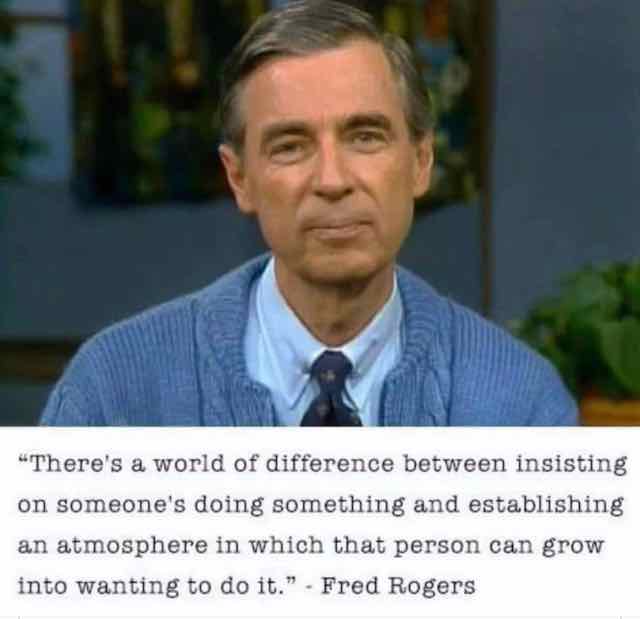
A must-read article by the one and only Mr. Rogers