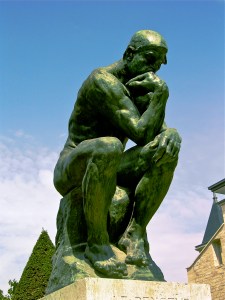
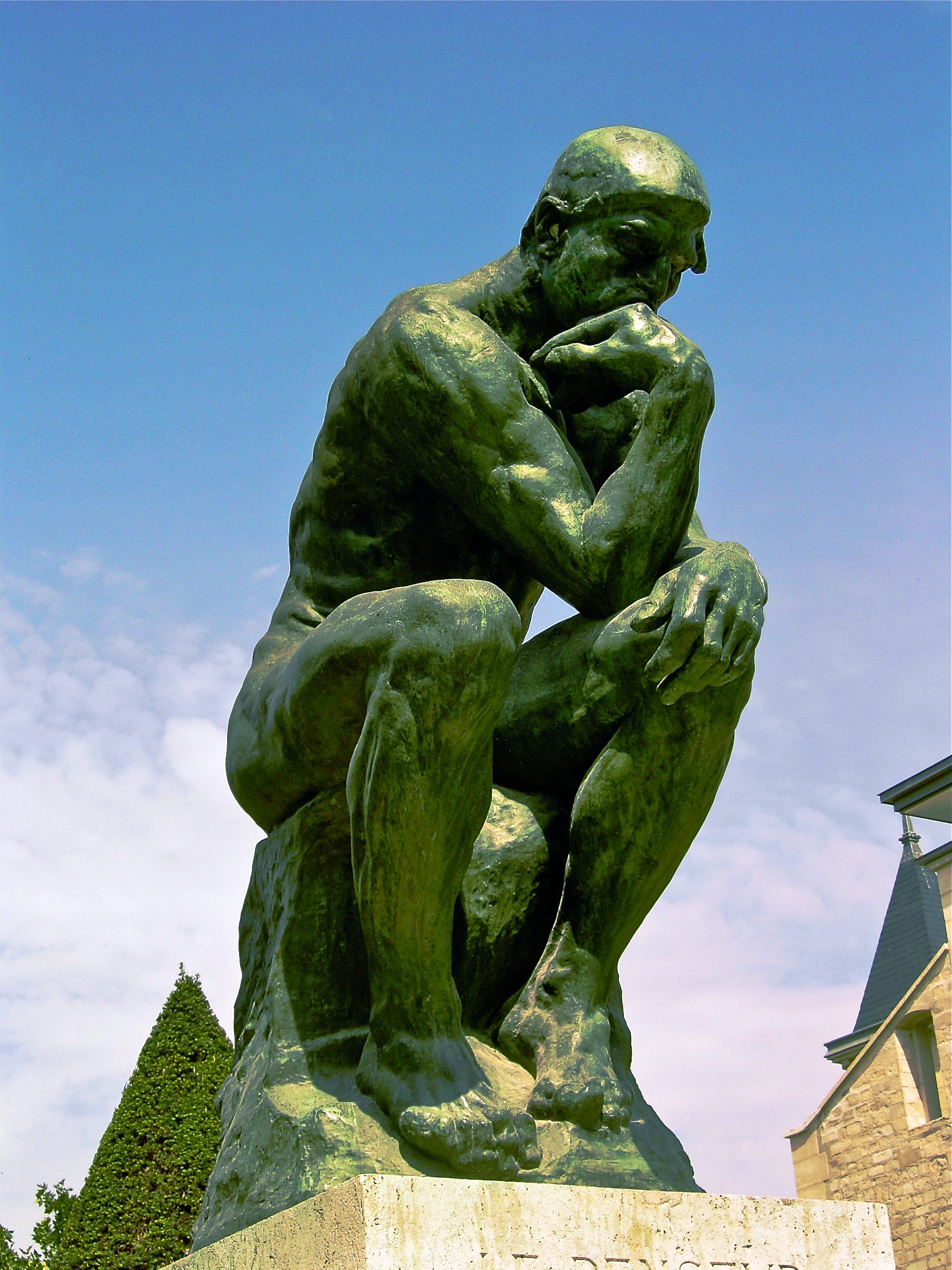
Life consists in what a man is thinking of all day.
– Ralph Waldo Emerson
So I’ve been thinking a lot about teaching lately. I tend to spend the first several weeks of summer reflecting on the past year, looking towards the upcoming year and asking myself what worked and what didn’t. I go for long runs and bike rides and think about my teaching. I surround myself with other thinkers in my life – people who are constantly asking themselves “why?”, questioning, wondering and reflecting on their own best practices. Twitter and blogs provide another place to think and read about what other educators are thinking, and allow me to question, wonder and grow as a learner. I can’t imagine teaching any other way.
But I’m worried. I hear a lot of the conversations in the teaching world revolving around a “tell me what to do” mentality. I’ve talked with teachers who define their literacy or math block as, “whatever the teaching manual says to do that day”. But where are the students in this plan? We expect a teacher’s guide, a pacing guide, a list of test items and a copy of the standards and we think we’re good to go. This is what much of education has been reduced to. It’s the only way that many teachers know. While all of these things are important tools to have, I think educators have to be thinkers. We can’t let other people do our thinking for us. We are the ones who know our students and who must be responsive to what our students do each and every day. A pacing guide or teacher’s manual can’t possibly do this.
I was at an inservice once for a basal reading series and I was asking several questions about how this “one size fits all” program could possibly reach the needs of my students. I was doing some serious thinking and questioning about the program our county was adopting. The presenter told me, “look, it’s all right here in the teacher’s manual – even your teachable moments. You don’t even have to think!” I told him that when I stopped thinking, I would stop teaching.
In this era of standardized testing and accountability it’s even more important for us to be thinkers and to teach our students to be thinkers. While a bubble test does have a correct answer, much of life does not have a correct answer. It requires problem solving, reflecting, questioning, wondering and lots of thinking. I want my students to be curious and thoughtful, to wonder and ask “why” as much as they can. I want to model this by challenging (professionally, of course) questionable practices or curriculum mandates that I don’t feel are in the best interests of our students. I need to be current on best practices and solid research to support my questions and be ready to propose an alternative plan. I need to be constantly thinking and learning. Not only for me, but for all the students I teach every day.
So how do you describe yourself ? Are you a thinker or someone who reflects on his or her teaching? Do you question what is asked of you if you feel that it may not be what’s best for students?
I hope teachers are resting up this summer, reflecting on their teaching and getting ready to make next year a fabulous teaching and THINKING year! What have you been thinking about this summer? We’d love to hear your thoughts!
photo from Wikimedia Commons
 Pat and I have the pleasure of kicking off a blog tour on October 3rd for a new math book from Stenhouse Publishers – Math Exchanges by Kassia Omohundro Wedekind. You may be wondering why we are reviewing a book on math here at Catching Readers. Well, Math Exchanges stands on the shoulders of great literacy thinkers such as Regie Routman, Lucy Calkins and Debbie Miller as the author shows us how conversation through the workshop approach in math is as powerful for teaching and learning with young mathematicians as it is for young readers and writers. If you are anxious to start implementing powerful small group instruction through a Math Workshop, Math Exchanges is now available and can be previewed on the Stenhouse website. Kassia also has a blog where you can read more of her great math thinking. Check back on October 3rd as we launch the blog tour!
 Catching Readers, Sparking Joy