Praising the Baby Steps

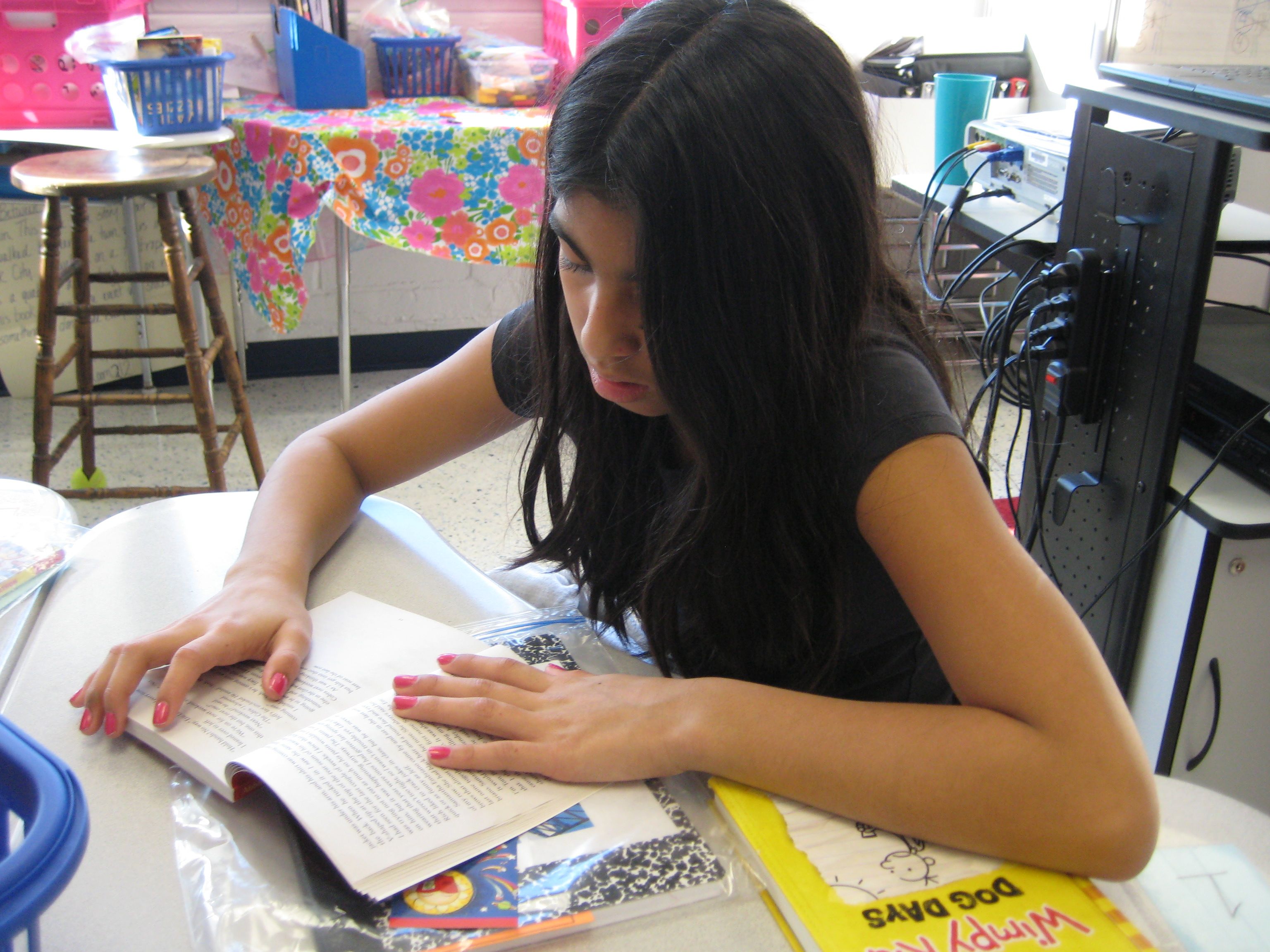
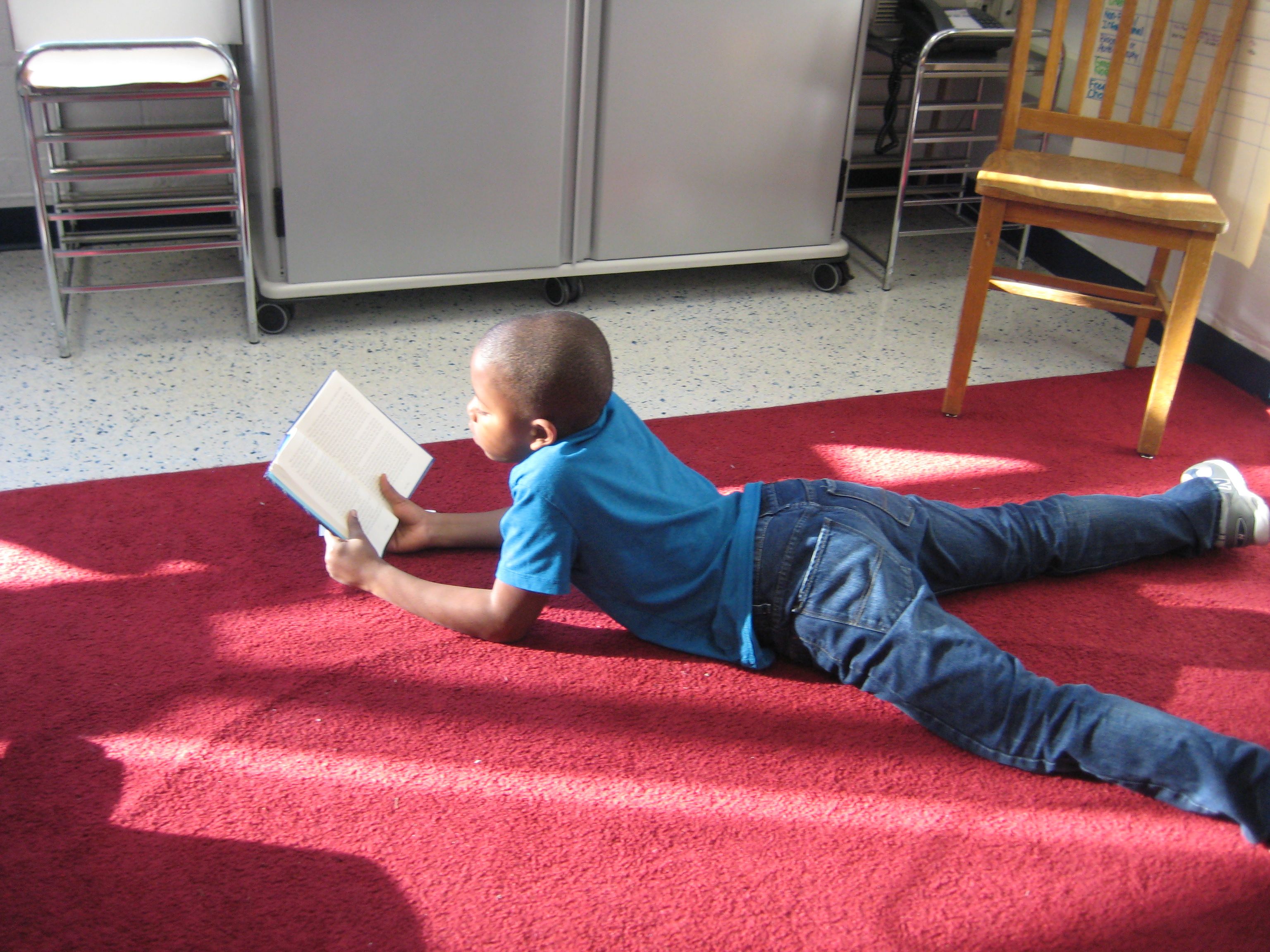
I was working in a 5th grade classroom today with an ELL student, Jamal (not his real name), who is incredibly far behind his classmates.  Yes, he has some second language issues, having only been in this country for about 2 years, but there are other struggling reader issues going on as well. While other students are reading a variety of chapter books from Amber Brown and Diary of a Wimpy Kid to Harry Potter and Lightning Thief, this student is reading predictable texts at a beginning first grade level.  But what I love about Jamal is how hard he works, how willing he is to practice the guided reading books he is given, and how happy and interested he is in those beginning level books.

What I started wondering today was: are we helping struggling readers to realize their progress enough? Jamal is making progress, yet it is often slow and painstaking.  However, in order to keep him motivated, he needs to hear praise for the baby steps of progress he is achieving.  Some teachers, when faced with a student this far behind, might have trouble seeing the progress because so much of what this child can’t do is so alarmingly visible.

I am reminded of what Carol Lyons wrote in Teaching Struggling Readers: How To Use Brain-based Research to Maximize Learning, “Recent neurological research proves that emotions are central to learning.  They impact what children learn, how they learn it, and how they feel about themselves while engaged in the learning process.” Jamal, and others like him, need teachers willing to notice, praise, and reinforce the strategies and behaviors that he is beginning to take on.  Lyons goes on to say that “children who have positive learning experiences are happy and feel successful and supported.  Children who have negative experiences are dejected and feel like failures and alone.”

Here are a few ideas for helping students realize their growth as readers:

–  You used to ________, but now I notice how often you _________.

–  I can tell you really practiced the books I gave you last week in guided reading because……

–  I notice that you are checking on yourself so much more often.  I think those questions in your head (Does it look right?  Sound right? Make sense?) are really starting to help you.

– You are participating so much more in guided reading discussions (or interactive read aloud, literature circles, or share time.)  I love that you are sharing your ideas and opinions so much more lately.

– When you reread stories you begin to solve your problems faster.  Keep up all that great practice you’ve been doing.

–  WOW, the last time you read that book to me, you sounded a bit choppy.  Today it was beautiful, smooth reading!

–  Have you noticed that you are solving tricky words faster?  I’m wondering why that is.  Do you have an idea?

–  You used to get very distracted by the other students reading near you, but lately you’ve stayed more focused.  What did you change to make that happen?

–  I remember in September how long it took you to get started during writing workshop, but now…

How are you helping the struggling readers in your room to feel and believe in their own personal growth?
Fostering Independence – Part 2

A few days ago, we posted some ideas for fostering independence. Here are a few more ways to support children in becoming independent readers and writers:

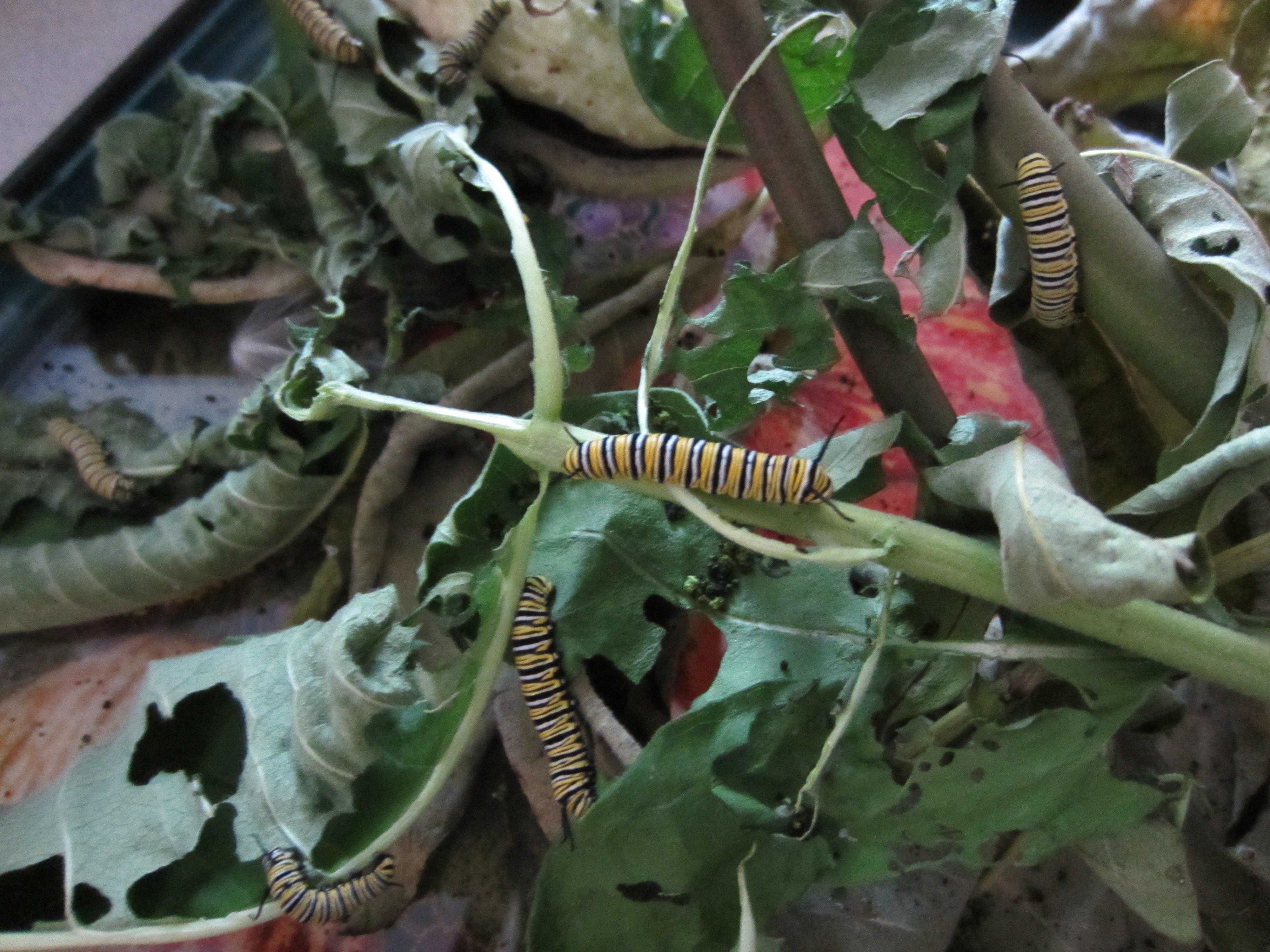
6.)  Ask students what they would like to learn when starting a new unit in the content areas.  Katie recently began a unit on monarch butterflies and her kindergartners wanted to know what the caterpillars ate. They did a science experiment to investigate the answer to this question and read several books to verify their findings. Out of their conversations, many more questions came up that guided their unit on monarchs. Creating a “wonder wall” suggested by Georgia Heard and Jen McDonough, authors of A Place for Wonder , is one way to keep track of all the thinking that comes up when students are investigating a new topic. Many of their “wonderings” become topics for further reading or writing projects.

7.)  Model ways to get unstuck when you are stuck.  Demonstrations are powerful.  But keep in mind that not only do we have to demonstrate strategies, we also have to support students as they take them on independently. If students are going to own their repertoire of strategies for solving words and understanding text, then we must gradually release responsibility to them.  Be sure to scaffold students and not rescue them as Terry Thompson says in his article from Choice Literacy, Are You Scaffolding or Rescuing?

8.)  Allow time for students to talk during interactive read alouds.  Let them share their own thoughts, connections, wonderings, and inferences.  Teaching for comprehension means teaching children to think – but then we have to give them opportunities to actually do that thinking.  Peter Johnston once said, “thinking well together leads to thinking well alone.”

9.)  Use inquiry-based learning in the form of individual project learning.  Provide some time each day for interest-based learning.  In one second grade class a few kids are writing a play together; some are using the internet to find out more about gerbils; some are doing science experiments; another group is reading books by the same author; some are making a store for practicing making change; some are making a poster about Rosa Parks.

10.)  I’ll let our readers add an idea for the 10th way to get your students to own their learning.  What’s your idea?

The Ultimate Goal is Independence

So many of us talk about wanting students to be independent, to be lifelong readers and writers, to choose to read and write on their own time, and so on.  But we have to remember that such independence won’t happen unless we foster it in every single grade level, every single year. Here are 5 of 10 ways to get students to own their own learning as readers and writers (we’ll post the second 5 next week, so remember to check back):

1.)  Independent Reading Time – giving time each day for students to read books of their own choosing is crucial. Share stories of who you are as a reader.  Treat all students as readers, not just the “top” students in your room.  All readers chose what they like, tell others about the books they read, have favorites, keep lists and piles of ‘someday books’, and talk about books and authors.

2.)  Writer’s Workshop – allow for topic choice.  Teach students how writers get ideas. Support them as they create their own possible list of topics. Read aloud to them and show them how authors write about different topics and things they know a lot about. Even if you are using the Calkins’ Units of Study, you can still give choice under the genre you are studying, such as small moments, how-to writing, etc.

3.)  Goal Setting in Reading – We suggest brainstorming possible goals with the students, especially if they don’t have much experience with goal setting.  With the teacher’s guidance, the goals will reflect ways of improving as a reader rather than just a number or level goal. Some of the following were brainstormed in a 4th grade class: I’m working on making my reading sound smoother; I want to try a book that is not a series book; I’m working on rereading the whole sentence if I’m stuck on a word; I want to understand what I read better; I want to read a book in a new genre; I want to read more hours in a week; I’m working on sounding more fluent when I read out loud. Stephen Layne says, “I believe that goal setting can be tremendously motivating –when the people setting the goals are the same people who will be working to make them successful.” He also suggests we nudge kids to set a goal that will “stretch you in some way” and “one that is attainable but will also push you a bit.”

4.)   Goal Setting in Writing – Students can also make their own goals in writing. These will come from what you teach.  If you only stress punctuation, spelling and subject/verb agreement, their goals will reflect that.  But, if your lessons include good leads, good endings, staying on topic, writing descriptively, writing persuasively, developing characters, creating powerful titles, exploding a moment, slowing down the scene to build suspense, incorporating dialogue into your stories, writing free verse poetry, writing engaging non fiction, and so on, then students’ goals will reflect your work with them.

5.)  Show, support, and encourage self-monitoring in reading.  There are so many aspects of reading that we want children to self-monitor for.  We want them monitoring for 1:1 match, for solving words by using a balance of meaning, structural, and phonetic information, for comprehension, for fluency, and so on.  Self-monitoring means ‘checking on yourself’ all the time.  When we get children to be good checkers, they are responsible for their own understanding of texts.

We’ll list more ways to foster independence in a few days, so start thinking of others to add!  We’d love to hear from you.

Check out these new books on writing

As you begin to set up your writing workshop with your students you might want to take a look at these two new exciting books that I just read.

I hope you read Katie’s blog post about the storytelling time she has set up in her classroom. The telling of stories can be so much fun and that foundational start with her kinders will lead to some great story writers, I’m sure. Her idea fits closely with Carolyn Coman’s new book from Stenhouse called Writing Stories:  Ideas, Exercises, and Encouragement for Teachers and Writers of All Ages. This small book (seriously, it can almost fit in your pocket) is chock full of useful information that will help you as a writer and as a teacher of writing.  Coman explains the difference between character-driven stories and plot-driven stories, teaches about developing voice in your writing, gives tips on using dialogue and speaker tags, shows us how she gets to know her characters deeply and why that’s important, and so much more.  The exercises at the end of each chapter are easily adaptable to many grade levels. They are meant to be quick ideas for students to try out (not prompts) and lead students into a discussion about some aspect of writer’s craft.  I highly recommend this text particularly for teachers of grades 2-6.

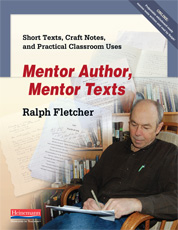
AND… the wait is over.  Ralph Fletcher’s new book is out and ready for instant use in your class’s writing workshop.  Mentor Author, Mentor Texts is right up there with all the other great texts that Fletcher has written for teachers and students (like many other folks, I’m a big fan!) Ralph has written 24 interesting texts, all short enough to be read in one sitting.  Instructions are given as to how to access these whiteboard-ready texts, even with audio clips of RF reading his pieces. But don’t rush so fast to start projecting these pieces and leading discussions with students.  Take the time to read and reflect on Ralph’s ideas on how mentor texts are being used and misused in some of today’s classrooms.  He gives us a new direction on how best to make effective use of his and other authors’ excerpts, essays, non-fiction pieces, or poems.  Rather than force-feeding our ideas or those of the author’s, Fletcher suggests we “put students in charge of what they notice.”  Let them decide what the writer is doing, whether this craft or technique would work for them in their writing, and how they might use the idea in a future piece of their own.  He cautions us to remember that young writers grow slowly.  Wouldn’t it be magical to see “students apprentice themselves to an author they can springboard off to reach new heights on their own”? One of my favorite short texts in this book is “Interview with a Coho Salmon” — very funny (and Ralph said it was a blast to write too.)  If you are using Fletcher’s new text in your classroom, please feel free to comment on how it’s going.

Also, stay tuned in a few weeks when Katie will be writing a review of another great book on writing meant for parents of preschoolers but also appropriate for teachers of PreK-2nd.

What else have you read on writing that has inspired your work with children?

And the Gap Gets Bigger


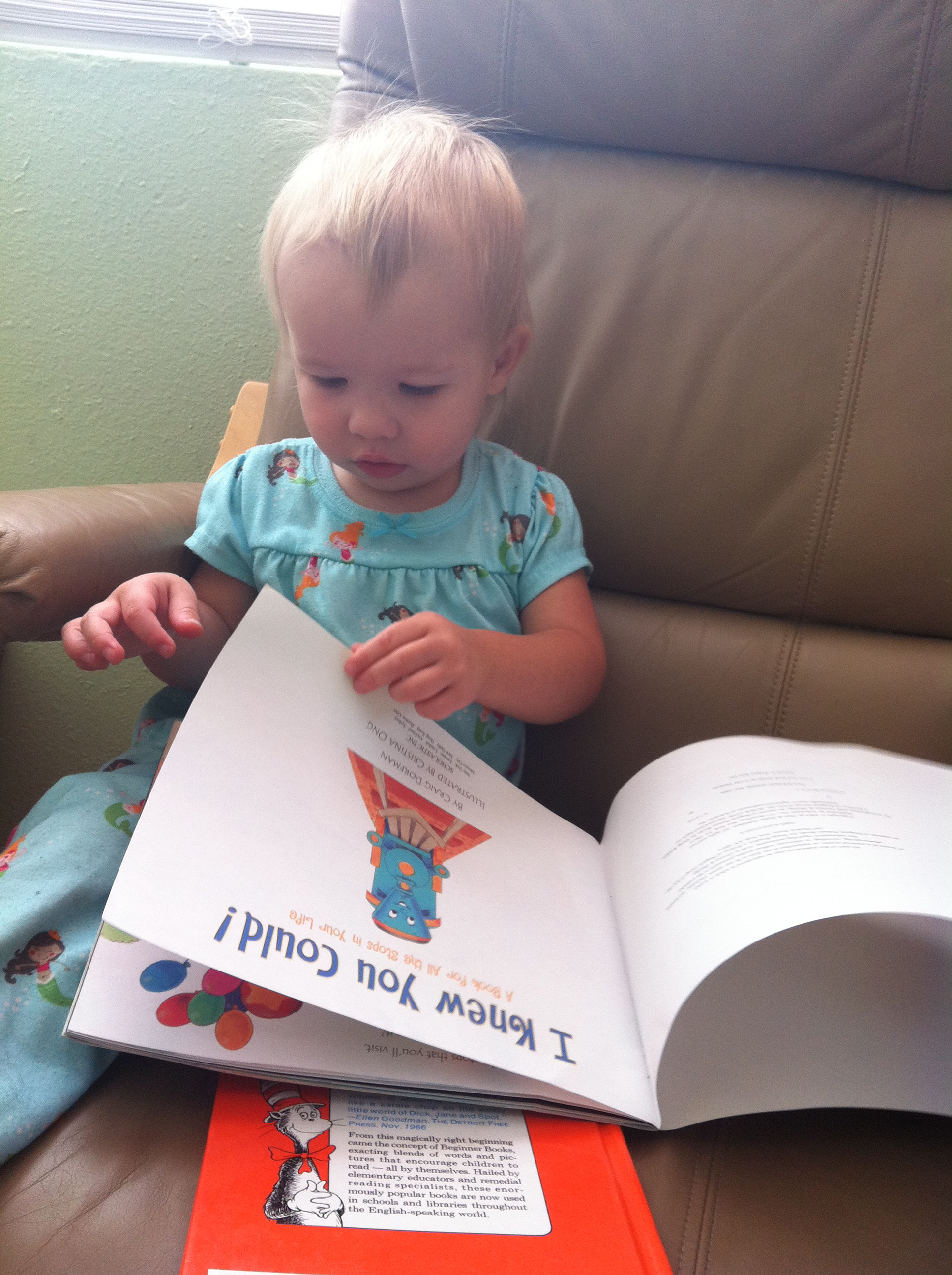
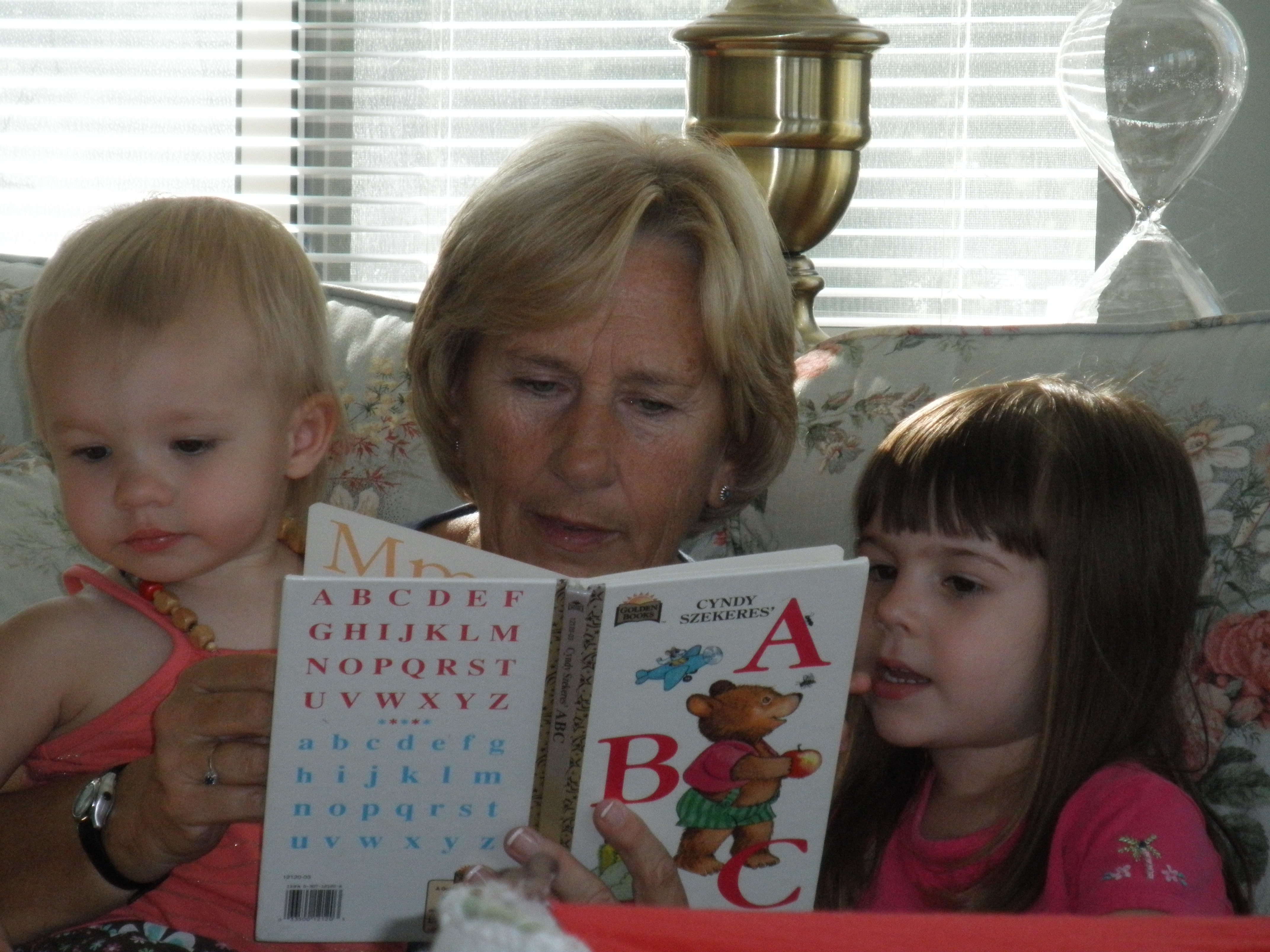
Recently my daughter (living 2400 miles away) sent me a video clip of my 22 month old granddaughter Brenna “reading” Brown Bear, Brown Bear.  Of course I was thrilled to see how those months of reading aloud to her were paying off.  She turned the pages, made up the story, and although her speech wasn’t always clear, you could hear the pattern every now and then “T-sher, T-sher, what do you see?”  But though I’m excited about my own grandchild’s progress, I can’t help but wonder about all those other preschoolers who don’t have the advantages that Brenna has.

I worry a lot about all those homes with very little or no books, with no literate parents or adults in the home, no computers or internet access, and so on. Some parents I know work three jobs just to put food on the table – there is no extra money for books or supplies and no extra time to read, write, or tell stories with their children.  No matter how you look at it, poverty plays a big role in affecting how much of a literate background some kids will begin school with.  And the job of closing the gap falls on the teachers in those early grades.  Blaming the parents or the home environment does nothing to solve the problem.  We know that.

And let’s not forget the technology gap that will also affect these same students.  I was listening to a discussion on NPR radio one day about how kids of the future will be so different because of all their computer knowledge. One father called in and told how he got smart phones for his children so that when they toured Washington D. C. they could log onto a special site that enhanced what they were observing at the museums. As the world gets more and more linked in, what is happening to the others who have very little opportunity and experience with technology?  The poor won’t have those same advantages as the caller on the NPR program.  And that gap will only get bigger.  We have got to get to the root of the problem and do something about those families living below the poverty line!  We have to admit that socio-economic status does correlate at times with children’s success in literacy.

I certainly don’t have all the answers, however, it would make sense to me if we turned our attention to (and poured more tax dollars into) more Headstart programs, more excellent quality pre-schools FREE for children living in poverty, more early intervention programs like Reading Recovery once children start school, and so on.

Here is a quote I keep on my desk at home: “Literacy is inseparable from opportunity, and opportunity is inseparable from freedom.  The freedom promised by literacy is both freedom from — from ignorance, oppression, poverty — and freedom to — to do new things, to make choices, to learn.” Koichiro Matsuura (former UNESCO director.)

Brenna has four more school years at home (in daycare and preschools) before kindergarten.  The literate background and extended vocabulary she will begin kindergarten with will be astounding!  How will we (primary K-2 teachers) close the gap for all those other children? How can teachers support the literacy acquisition of every single one of their students?

Conferring with students about their reading

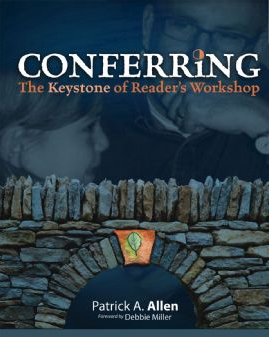
I read Patrick Allen’s book Conferring:  The Keystone of Reader’s Workshop a while back, but reread it when Cathy Mere started a cyber discussion about it a few weeks ago.  Recently, I was re-skimming the last few chapters and I got inspired to want to work with upper elementary grades again.  Since retiring and moving into consulting work, I am only in a school one day a week for volunteering and research.  For the past few years I’ve always been in first or second grades supporting classroom teachers with their struggling readers.  But I’m thinking of taking a whole new direction this school year.  I love the literature that 4th and 5th graders read and I have really missed it.  Patrick’s book is so rich with scenarios of him sitting, chatting with kids, that I could feel myself right there! And I want to be there too.

I particularly like that Allen’s format of RIP (his structure for a reading conference) has three words for each part of his conferring framework. His RIP is so open and useable for any teacher to make his/her own. The “I” section can be instruction, insights, or intrigue.  And that is so true.  Sometimes it is just an insight into the child’s thinking that we make note of, sometimes we are surprised by a response given, but sometimes we need to do some hard teaching.  It is the instructional piece that concerns me the most.

In many of the examples throughout the book Allen confirms or reinforces a strategy that the child has used or he names it for the child.   One could tell that he had done incredible work at the beginning of the year to get all this going.  His students select books well and for the most part comprehend them.  But I have been in many situations (and I’m sure we can all say this) where the child doesn’t comprehend what he is reading.  The student may be in a book that is way too hard to read independently; the student might have a fluency issue; it’s possible he’s not self-monitoring; it might be that his word analysis skills are lacking; there may be unfamiliar vocabulary and she’s not sure how to use the context clues to make it make sense; it could be that the child’s mind wanders and he doesn’t have strategies to help him stay engaged with the text, or any other number of things. As Patrick said, it’s hard to make a quick analysis of what this child needs right then at that moment, but with practice we will all get better.  Our strongest teaching will come into play when the child we are conferring with is NOT understanding.  The instructional piece then means that we have to support that child as we hook him/her back to an anchor lesson or a shared demonstration lesson.

v Remember when we read that ______ article together and we all thought of some questions we had before we read.  I wonder if that will help you here.  Let’s try it together.

v It seems like there were some words in this part that you were unsure of.  Let’s go back to some of those together and I’ll show you what I might do.

v Poems say a lot in so few words.  I find I understand them better when I make pictures in my mind.  Would you like to try that with me here and see if it helps us understand this poem better?

Finding where to meet the child in his ZPD is such a challenge for all of us, but, for many struggling readers, it is during the 1:1 conferring that we can “do it together.” Vygotsky always said that the zone of proximal development is the place where the child can do it “with our help” and the conferring time is sometimes just the right moment for this specific teaching.  As Allen says “it’s hard work” and “it ain’t easy.”

In the last chapters of Allen’s text he asks us to return to our chart we made earlier about “what emerges from a reading conference?”  Luckily I had my paper stuck inside my book.  I was amazed with all I had written and was happy to reflect on it once again.  I will take my chart along with my book to school next year and see if there are 4th and 5th grade teachers who would like to explore conferring with me.  I can’t wait for the fun (and the hard, but satisfying work) to begin!

Strategies: Is This Really How We Read?

I had a teacher in a workshop recently who told me she didn’t think she used any strategies when she read.   I explained that, for proficient readers, we don’t even realize we are using strategies to help us comprehend; they are so second nature to us. Some people say that when we are proficient at comprehending, our strategies go underground.  They act so fast and fluently that we are not consciously aware we are using anything at all – we just know we understood what we just read and we are fine with that.  So what about all this strategy teaching?

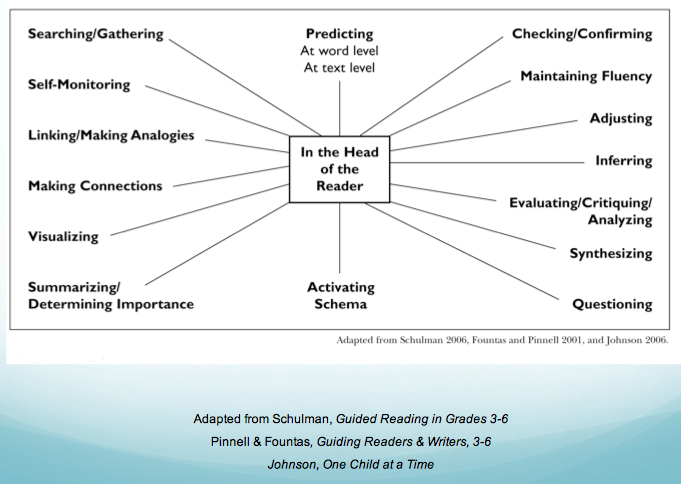
First let me digress.  Last week I finished reading State of Wonder by Ann Patchett, one of my favorite authors.  It’s a wonderfully written story of Marina sent to the Amazon to find out more about the death of her colleague in the pharmaceutical research lab.  While in the jungle she is also meant to check on the progress of Dr. Swenson who doesn’t send reports or updates on her research about the new drug she’s developing. I enjoyed the book and understood every single detail of it.  Did I stop periodically and ask myself a question, or think through a picture in my mind, or literally make any connections as I read?  No, not that I remember.  But, do I think those strategies, as well as others, played a part in my understanding?  Absolutely.  If I had to go back now and answer the question, “Was there a picture in my mind when the young boy Easter was being attacked by a snake?”  Of course there was. And if I brought it to mind for you now, I could describe that scene in great detail. As I read on from chapter to chapter was I wondering/questioning the information about Ander’s death? About the Lakashi tribe and their ability to get pregnant well into their seventies? About why no one taught the deaf boy to communicate better?  I certainly did wonder those things.  Could I make a connection to the Lakashi women constantly braiding Marina’s hair to the days when I sat braiding my two daughters’ long locks?  Sure I could…now.  But while I was reading, I did not make myself metacognitively aware of what I was doing because I didn’t need to.  I was focused on meaning and just kept reading.

So why are we all “making our strategies visible” for the children in our classrooms?  Why are we thinking aloud about what we do in our heads when we comprehend?  We are doing it because some struggling readers (and others who comprehend on the literal level but no deeper) need us to slow down our reading process system and make it make sense to them.

Children who struggle don’t realize what is going on in the heads of their classmates who are fluent comprehenders.  So when we slow it down and think aloud about our process it spells it out for those students.  Then we do some shared demonstrations and guided practice so that they begin to see that those strategies can help them make sense of texts.  Our goal is always to help students think like proficient readers, not just name a strategy, define a strategy, or complete a worksheet on a particular strategy.  The goal is for them to take on these thinking strategies so that they too can begin to use them fast, flexibly, and not even realize they are using them.

In chapter 9 of Catching Readers Before They Fall, Katie and I talk about the strategy teaching that we see in schools and how to make it more effective particularly for struggling readers.  But I wish there was more conversation about this topic.  What is the difference between teaching a strategy for strategy sake and teaching a strategy so that it will actually help a student become a better reader?  Shouldn’t we all be wondering about this? In her last post, Katie Keier asked us to be thinkers and reflect on our teaching? Are there more teachers out there who are reflecting on the strategy teaching that is being asked of them?  Please comment and join the conversation.

What’s to know about RTI?

Katie and I have been reading and chatting about the book “RTI From All Sides:  What Every Teacher Needs to Know” by Mary Howard.  It came out in 2009 – don’t know how we missed it, but perhaps we were knee deep in writing our own book!  Howard makes some great points.  She talks about the mistakes we made with NCLB, but how we can now use RTI as “our opportunity to change direction” and make “effective, excellent literacy instruction a collaborative venture in our schools.”  She suggests we proceed with caution as we make decisions for how, when, and with whom we will meet the needs of our struggling readers.


Howard gives us a list of everything that RTI promises to do if done right.

Response to Intervention (RTI) isn’t just part of the 2004 reauthorization of the Individuals with Disabilities Education Improvement Act (IDEA), it’s a chance for us to really do right by our struggling readers. The idea is for early intervention plans that will successfully keep many students from entering special education. Every school’s faculty has probably heard about the three tiers, but it’s the first tier that interests Katie and I the most.  Tier I supports the professional development of all teachers so that classrooms can be the first place where struggling readers’ needs are met.  It’s one of the reasons we wrote “Catching Readers” – to help layer everyone’s understanding about reading process and how best to support struggling readers.

Here are just a few nuggets contained in Howard’s thought-provoking book:

“Teachers who differentiate recognize that the best lesson plan is the student sitting right in front of them.”

“Making meaning should be the goal of every instructional action and every activity in which we engage students.”

“Failing to support our teachers is the same as failing to support our students. This makes students pay for our limitations on both counts.”

“… the more assessment moves away from real reading, the less information we glean from it.”

Howard says, “I defy anyone to show me a skill (one worth teaching, of course) that cannot be expertly integrated into authentic reading.”

“…movement between tiers is not linear….The important thing is that instruction in all tiers is interconnected to promote strategies and skills across the curriculum and reinforce this learning in multiple contexts.”

“There is always the risk that the data collection process will overpower rather than support instruction.”

And my favorite…. “There’s no such thing as program nirvana.”

Hopefully these quotes will get you thinking or perhaps inspire you to add this book to your summer reading list.  We welcome comments/reviews from others who have read this text.

Are Students Using Strategies on Their Own?

On occasion I hear teachers in grades 3-6 say, “I taught lots of strategies to the students, but there are some kids who don’t seem to be using them.” If students are not using the strategies independently to help them comprehend texts, we need to ask ourselves these 6 questions:

1.  Are the students in appropriate texts?  The students need to be in texts that are not too hard for them.  When texts are too challenging, kids expend so much energy solving the words that they have nothing left for comprehending.

2.  Was my modeling explicit enough?  Think about your modeled lessons. Did you really show students how the strategy (of activating schema, making connections, questioning, visualizing, etc.) helped you to comprehend or solve problems as you read?  Is there another way you could have presented it?  Students need to get the message that this strategy could help them at another time while reading on their own.  If they viewed your demonstration as an activity to watch, but were not engaged, then they will never take on that strategic action.

3. What happened during the shared demonstrations? Who talked?  Oftentimes we think the lesson went well because there was lots of strong discussion going on.  But think about which kids did all the talking.  If only 5-8 of your most verbal students participated, then you can’t assume that every child reached the same level of understanding.  It would be wise to do some follow-up small group lessons with the quieter or less able students.

4.  Who is all this strategy teaching for?  Remember, some students are already using plenty of strategies in an integrated way.  If they comprehend well, then their network of strategies is working just fine.  They don’t need to tell you which strategies they used to understand what they read.  Their strategies are working so fast and automatic they might not even be aware of how they comprehended. But for those students who do not comprehend what they read, you may want to provide some scaffolding in order to help them connect to a strategy anchor lesson.  For example, “Remember when we kept those questions in our mind as we read that article on the SMART board together… Let’s try that here and see if that helps you.”  Peter Johnston says, “As teachers we have to decide what to be explicit about for which students, and when to be explicit about it.” (Choice Words, p. 8.)

5.  How much guided practice was given to students with the most difficulties? Another thing to keep in mind is that not all students need the same amount of guided practice.  Be sure you are doing enough small group work with the students who need the extra time.  The transfer (of taking on strategies and using them independently) may take longer for some readers who struggle.  Also think about your language and the way you have set up various activities.  Have you changed your language in order to help the students take over the strategy use?

6.  Are you staying focused until you see evidence of children taking it on? What assessments do you have in place for discovering which students need more practice?

Keep a watchful eye on students and observe their work or conversations to decide how they are doing. On-going assessments can take many forms — individual conferences, texts that can be written on, sticky notes, listening in on group conversations, coding texts with symbols  (? = I’m unsure of this;  * = this seems like important info;  +  = I already knew this; ! = wow, that was interesting.)  Harvey and Goudvis say that these observations and assessments are the way that “we derive authentic understanding of how they (students) are doing and what they have learned or not learned.” (Strategies that Work, 39.)

What are your thoughts on your students’ strategy use and comprehension?

Chapters 8 & 9 in Catching Readers Before They Fall elaborate on these ideas.

All Kids Can Learn to Read: Believe it or not?

Lots of teachers say they believe that all kids can learn to read, but are we acting on that belief as much as we can?  How many of us are putting forth our best effort to make literacy happen for each and every kid in our classroom?  Or do we make excuses for some kids:

*His parents don’t speak English, so he’s always going to have problems with reading.  There’s no one at home to help him.

*She came to us from another school where the instruction was not good enough for those first few years.  Now how am I supposed to catch her up for all that lost time?

*My struggling readers get pulled out for so many things that they are never in my room when I need to meet with their group.

*He qualified for LD, so there’s not too much I can do as his classroom teacher.

*Her older brother was a slow reader.  She’s just like him.

And on it goes.  Instead of thinking of reasons why this child will never be a proficient reader, let’s start participating in the problem solving.

Recently I read an article that Katie recommended to me, “What At-Risk Readers Need” by Richard Allington.  You can find it in Educational Leadership, March 2011.  I highly suggest that everyone read it.  He lists several things that are NOT working, such as, sending the hardest-to-teach kids out in the hall to read with paraprofessionals, computer programs, and overreliance on core reading programs.  He mentions a few things that schools should be doing so that every student can learn to read by the end of first grade, such as more Reading Recovery (recommended by the What Works Clearinghouse) for first graders, high quality kindergarten intervention, and lots of high-success reading experiences (time spent reading books that students can read.)  “At-risk readers need more expert reading instruction than we have been providing.”  When Allington spoke on this topic at the recent IRA convention he refuted the complaint that there’s not enough money available to do all that needs to be done by saying, “The money is there; we’re just not spending our money in the right ways.”

I’ve been thinking about this article and Allington’s sessions at IRA a lot this week.  Please find that article and share it with some teachers and administrators at your school and let us know your thoughts.