We are excited to be participating in the 10 for 10 Picture Books project again! This is the fourth year that Cathy Mere and Mandy Robek have hosted this compilation of blog and Twitter posts (#PB10for10) about the 10 picture books you just can’t live without.
The first five are Katie’s picks and the second five are Pat’s. Enjoy!
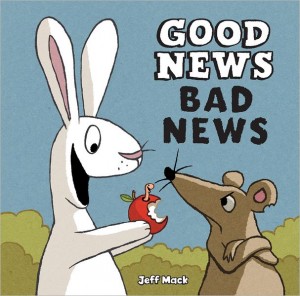
Good News Bad News, by Jeff Mack is a simple text that uses only 4 words to tell the story of two friends who have very different ways of looking at the world. Kids love reading the pictures and beg for this to be read again and again.
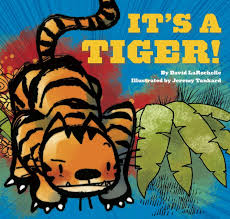
It’s a Tiger, by David LaRochelle and Jeremy Tankard. This book was voted as the #1 Favorite by my class this year. They absolutely loved it! A rollicking adventure with a tiger makes this an instant favorite read aloud.
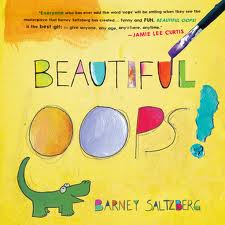
Beautiful Oops!, by Barney Saltzberg. This is a wonderful book to show kids how mistakes can be something beautiful. With fun cut-outs, pop-ups and interactive pages, this book engages children and encourages them to create and not be scared of making mistakes.
Press Here, by Herve Tullet. I absolutely love this fun book. The text instructs the reader to push dots, shake the book and then through your imagination the book magically comes alive. This is a must-have for your classroom library regardless of the age of your students.
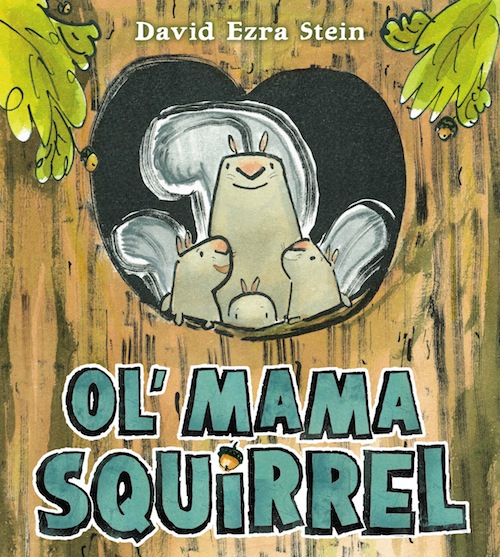
Ol’ Mama Squirrel, by David Ezra Stein. Mama Squirrel will do whatever it takes to protect her babies. Kids enjoy this funny story of brave Mama Squirrel. This book also has nice text features to use as a writing mentor text.
 Each Kindness, by Jacqueline Woodson. I would not be surprised to see this book on everyone’s list of 10 for 10. It’s a big hit with everyone I share it with, adults and children alike. A little girl learns a lesson about kindness after being mean to one of her new classmates. This book leaves children with a desire to treat everyone with a little kindness lest you regret your missed opportunities.
 The Day the Crayons Quit, by Drew Daywalt, is a book filled with subtle humor. Each crayon writes a letter to their owner telling him about why they are feeling rejected, overused, stubby, or naked. Yellow and orange fight over what color the sun really is. I had to laugh out loud at Purple’s letter because one of my grandchildren just LOVES purple and uses up all our purple markers and crayons. This book would be fun for K-2 to hear, but also useful in upper grades for an example of point of view writing.
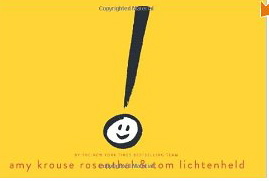 I am definitely on an “Amy Krouse Rosentahl” kick these days. I just love her humor. In Exclamation Point we get a quirky lesson in punctuation. My favorite page is when the question mark shows up and asks no less than 20 questions in a row. When reading it aloud, read these fast. It cracks the kids up.
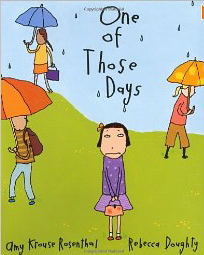 This one has been around since 2006, but I just discovered it. Another A. K. Rosenthal book, One of Those Days, would pair nicely with Viorst’s classic book Alexander and the Terrible, Horrible, No Good, Very Bad Day. All kids will relate to “Feeling Left Out Day” and “Can’t Find Stuff Day” and “Nobody’s Listening To You Day.” The pictures tell it all. This one is an easy mentor text for getting writing ideas too.
 Kathryn Otoshi does it again with Zero as she did with One. Another great book with a serious message.

 Catching Readers, Sparking Joy